
Companion Plants
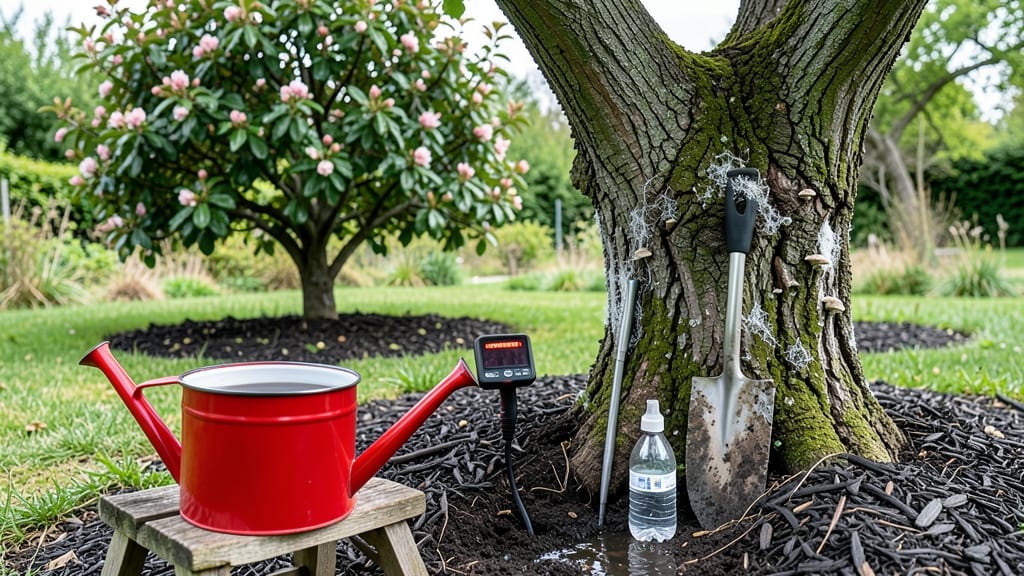
Overwatered trees can recover if you act quickly, but chronic soggy soil often leads to irreversible root rot or fungal infections that strangle the plant. Trim affected roots, improve soil aeration, and adjust your watering routine—though some trees may never fully regain their vigor.
Overwatering doesn't always mean game over—many trees bounce back with the right care. 🌱 The key is catching the issue early, when roots are still firm but stressed rather than rotted.
I've seen oak trees recover after weeks of too-frequent watering simply by letting the soil dry between waterings and adding compost to improve drainage. However, tropical species like avocado trees are far more sensitive to waterlogged roots and rarely make a full comeback once the damage sets in.
What's often overlooked is how quickly overwatering creates a domino effect. Excess moisture blocks oxygen, inviting anaerobic bacteria that release toxic gases, while nutrients like nitrogen get flushed away.
This is why I always check soil moisture with my finger before watering—if it's damp just below the surface, the tree's already getting too much love.
💡 In This Article
- Root Rot and Waterlogged Soil: How Overwatering Damages Trees
- Step-by-Step Tree Revival: Drainage Fixes and Watering Adjustments
Root rot and waterlogged soil: how overwatering damages trees
When trees get too much water, their roots suffocate because excess moisture displaces the oxygen they need to breathe. Think of it like trying to breathe through a wet towel—your roots can't function properly.
This lack of oxygen creates the perfect environment for anaerobic bacteria, which thrive in waterlogged conditions and release toxic byproducts like hydrogen sulfide and methane. These gases further stress the tree's root system, making it harder for the plant to absorb essential nutrients from the soil.
Different tree species handle waterlogging differently. Deciduous trees like oaks and maples can tolerate brief periods of soggy soil, but their roots will start to rot if the water doesn't drain within 24-48 hours.
On the other hand, tropical plants like avocados or citrus trees have shallow root systems that can't handle even a few days of excess moisture.
You'll often see signs like yellowing leaves, wilting despite wet soil, or a foul odor coming from the base of the tree—these are red flags that the roots are struggling.
The damage doesn't stop at the roots. When soil stays too wet, nutrients like nitrogen and phosphorus get flushed away, leaving the tree malnourished even if you're watering it. This is why overwatered trees might look thirsty but actually can't absorb what they need.
The root tips, which are responsible for most nutrient uptake, begin to die off first, creating a vicious cycle that weakens the entire plant over time.
One of the most critical factors is how quickly the soil drains. Clay-heavy soils can take days or even weeks to dry out after heavy watering, while sandy soils drain in just a few hours.
This is why I always recommend amending your soil with organic matter like compost or coconut coir—it improves drainage while retaining enough moisture for healthy root growth. Without this adjustment, even well-intentioned watering can turn deadly for your trees.
You can test for waterlogged soil by sticking your finger about 2-3 inches deep into the ground. If it feels damp or cool, that's a sign the roots aren't getting enough oxygen. For container-grown trees, check the drainage holes—if water pools at the bottom after watering, you're definitely overdoing it.
The key is to mimic natural rainfall patterns: trees prefer consistent moisture without sitting in puddles.
What most gardeners don't realize is that overwatering can actually attract pests like fungus gnats and root maggots, which further compromise the tree's health. These insects thrive in moist, anaerobic conditions, creating another layer of damage that's hard to reverse.
The sooner you address the watering issue, the better the tree's chances of recovery.