
How To
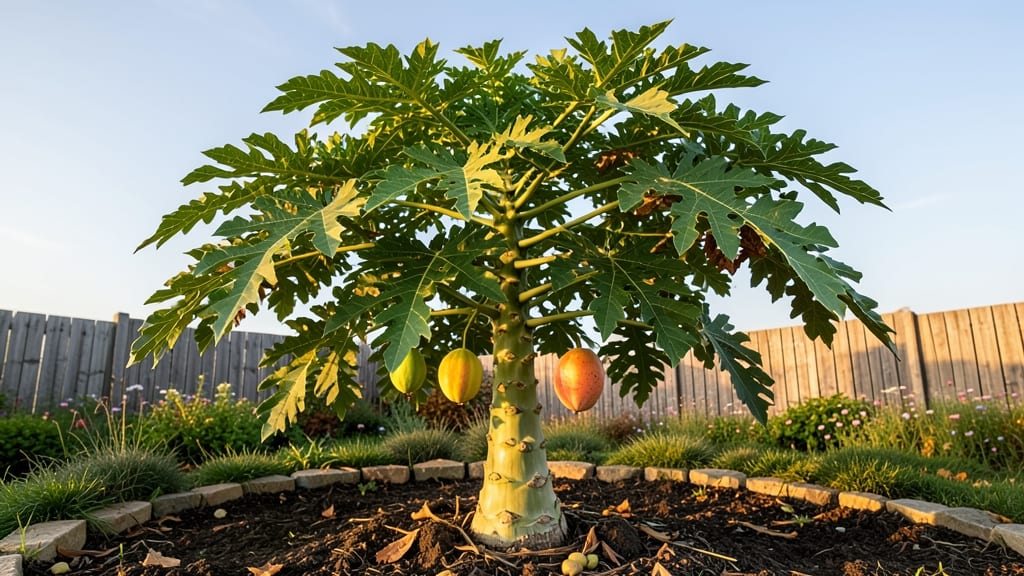
Papaya tree height by variety: dwarf vs. standard vs. giant types
If you're planning to grow a papaya tree in your garden or container, knowing its mature height is crucial for space planning. Most varieties grow between 10 to 30 feet, but some tropical types can reach giant proportions if left unpruned.
The good news? Dwarf varieties exist for smaller spaces, while standard types thrive in large gardens or tropical climates.
Your choice of variety directly impacts how much space you’ll need. For example, the 'Solo' papaya stays compact, while 'Red Maradol' can grow tall and robust. Even climate plays a role—subtropical zones may stunt growth compared to true tropical climates where these trees flourish.
Below is a comparison of papaya tree heights by variety, including dwarf, standard, and giant types. Use this guide to pick the perfect fit for your garden or container setup!
| Variety | Mature Height (ft) | Growth Rate | Best For |
|---|---|---|---|
| 'Solo' | 6–10 ft | Moderate (6–12 months) | Containers, small gardens |
| 'SunUp' | 10–15 ft | Fast (9–12 months) | Backyards, tropical climates |
| 'Honey Dew' | 12–18 ft | Moderate (10–14 months) | Large gardens, orchards |
| 'Red Maradol' | 15–25 ft | Fast (8–12 months) | Tropical regions, large spaces |
| 'Kapoho Solo' | 8–12 ft | Slow (12–18 months) | Containers, urban gardens |
As you can see, 'Solo' and 'Kapoho Solo' are ideal for small spaces or container gardening, while 'Red Maradol' and 'Honey Dew' need ample room to reach their full tropical potential.
If you're in a subtropical climate, growth may be slightly slower, but proper care can still yield impressive heights.
For container growing, choose dwarf varieties like 'Solo' and use a large pot (at least 15-gallon capacity) with drainage holes. In ground planting, ensure 6+ feet of space for dwarfs and up to 20 feet for giants.
Always plant in well-draining soil with full sun exposure to encourage healthy growth.
Pruning plays a key role in controlling height. If your papaya tree starts to outgrow its space, prune the top 1–2 feet to redirect energy to fruit production. This technique works especially well for standard varieties like 'SunUp', which can become unruly without guidance.
In tropical climates, papaya trees grow fastest and tallest due to ideal temperature and humidity levels. If you're in USDA zones 10–12, expect rapid growth with minimal stress.
However, in cooler subtropical zones, growth may slow, and trees might stay shorter unless given extra care like winter protection or greenhouse growing.
Pro tip: If you're growing multiple trees, space them 10–15 feet apart to prevent competition for nutrients and sunlight. This spacing also makes harvesting easier and reduces the risk of disease spread between plants.
Ready to pick your perfect papaya variety? Consider your space, climate, and whether you prefer quick harvests (like 'SunUp') or long-term growth (like 'Red Maradol'). With the right choice, you’ll enjoy fresh papayas straight from your garden in as little as 6 months!
Optimal spacing for papaya trees: preventing overcrowding & maximizing fruit
Proper spacing is critical for papaya trees to thrive and produce abundant fruit. These tropical giants need room to stretch their roots and branches—overcrowding leads to poor air circulation, disease, and stunted growth.
For standard varieties like 'SunUp' or 'Red Maradol, aim for 10–15 feet apart in all directions. This mimics their natural jungle spacing and ensures each tree gets 6+ hours of sunlight daily.
If you're growing dwarf varieties (though rare), reduce spacing to 6–8 feet. These compact types still need airflow to prevent fungal issues like powdery mildew. Always check your local climate—humid tropical zones may require slightly wider spacing to combat moisture-related diseases.
Why spacing matters: Papaya trees develop a wide canopy (up to 15 feet across) and deep roots. Crowding forces trees to compete for nutrients, reducing fruit size and yield. I once saw a papaya orchard where trees were planted just 5 feet apart—they produced tiny, misshapen fruits due to stress.
- 🌱 Standard Varieties
- 10–15 ft apart
- Examples: 'SunUp,' 'Red Maradol'
- 🌿 Dwarf Varieties
- 6–8 ft apart
- Examples: 'Solo' (rare dwarf types)
- 🌳 Container Growing
- Minimum 15-gallon pot
- Space pots 5–6 ft apart
Companion planting can boost yields while saving space. Pair papaya trees with nitrogen-fixing plants like beans or clover to enrich soil naturally. Avoid planting near citrus trees—they compete for the same nutrients and attract similar pests. I recommend interplanting with marigolds to repel nematodes and improve soil health.
For container growing, use large pots (15+ gallons) and place them 5–6 feet apart. Papaya trees in pots grow slower but still need room to spread. Always use well-draining soil mixed with compost to prevent root rot—a common issue in confined spaces.
Prune your papaya tree annually to control height and encourage fruit production. Remove suckers at the base and trim overgrown branches to improve airflow. I prune mine in late winter to shape the tree before the fruiting season begins—this keeps the canopy manageable and increases sunlight exposure for lower branches.