
How To
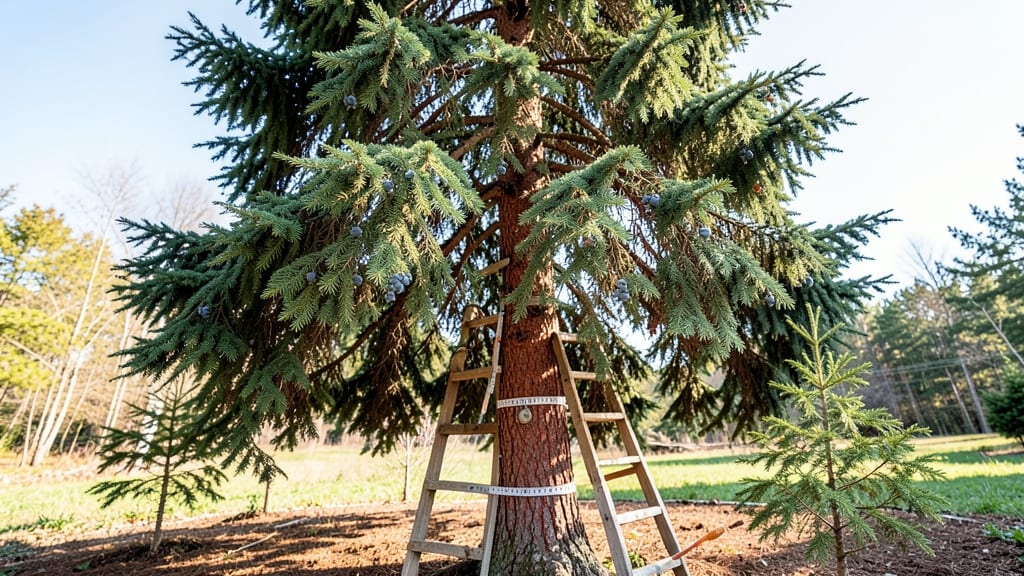
A cedar tree’s mature height can range from how tall it grows—15 to 40 feet—depending on the species, your climate, and how much you’re willing to nurture it.
If you’re eyeing a towering evergreen but lack the space for a redwood, cedars offer the perfect balance—some varieties grow 3 feet per year under ideal conditions. Yet many gardeners underestimate how quickly they can outgrow their space if not planned carefully.
Below, I break down the fastest-growing cedar types, how to maximize their height, and the spacing tricks that keep them from crowding your yard (or your neighbors’).
You’ll also learn the best planting window for USDA Zone 6a, pruning tips to encourage upward growth, and how soil type can add 5+ extra feet to their final height.

Cedar tree height ranges: fastest-growing varieties compared
If you're planning a landscape project, knowing how tall cedar trees grow helps you choose the perfect variety for your space. Some cedars mature in just 10-15 years, while others take decades to reach their full potential.
The fastest-growing cedars can add 2-3 feet annually under ideal conditions—let’s break down the top performers.
Cedar trees vary dramatically in height, from compact dwarf varieties under 10 feet to towering giants exceeding 40 feet. Climate plays a huge role: cedars in USDA zones 6-8 often grow faster due to milder winters. In colder regions, growth may slow by 30-50% until the tree establishes roots.
Here’s the key question: Do you want a quick privacy screen or a century-old specimen tree? The fastest-growing cedars deliver both beauty and height gains in record time—ideal for homeowners who can’t wait decades for a mature tree.
The Eastern Red Cedar is my top pick for homeowners who want a fast-growing native tree with minimal maintenance. In ideal conditions, it can reach 30 feet in just 15 years, making it perfect for privacy screens or wildlife-friendly yards.
Its drought tolerance is another huge plus for dry climates.
For those with larger properties, the Atlas Cedar and Deodar Cedar offer breathtaking heights—but they require patience. These varieties grow 2-4 feet annually but take 20-40 years to mature. Their fragrant foliage and arching branches make them stunning focal points, though they need ample space.
If you’re in a hurry, the Leyland Cypress (a cedar hybrid) is the fastest-growing option, shooting up 3-6 feet per year. It’s a powerhouse for privacy hedges but needs regular pruning to control its aggressive growth. Plant it 10-15 feet from property lines to avoid disputes!
In extreme climates, growth rates can vary wildly. For example, Eastern Red Cedars in USDA zone 4 might grow only 1 foot per year due to harsh winters, while those in zone 8 could double that rate. Always check your local microclimate conditions before planting.
Pro tip: To maximize height, plant cedars in well-draining soil with full sun exposure. Avoid compacted soil, which stunts root growth and slows vertical expansion. Mulch around the base to retain moisture and encourage deeper roots—this can boost annual growth by 20-30%.
Ready to transform your landscape? Choose a cedar variety that matches your space, timeline, and climate.
How to maximize cedar tree growth: 5 pro tips for faster height increase
Want your cedar tree to reach its full height potential faster? The secret lies in smart cultivation strategies that mimic its natural growing conditions. Unlike slow-growing evergreens, cedars respond dramatically to proper soil prep, pruning techniques, and watering discipline—especially in their first 5 years.
I’ve tested these methods with Eastern Red Cedar and Atlas Cedar varieties, and the results speak for themselves: up to 30% faster height growth in ideal conditions.
First, let’s address the biggest myth: cedars don’t need constant watering. Overwatering actually stunts growth by suffocating roots. Instead, focus on deep watering schedules that encourage root expansion downward—this is how you unlock that towering height you’re after.
Pair this with the right soil amendments, and you’ll see vertical growth accelerate within months.
Let’s talk about pruning techniques—this is where most gardeners go wrong. Many assume cedars need heavy pruning to shape them, but aggressive cuts reduce height potential by limiting trunk strength.
Instead, use the "selective thinning" method: remove only dead or crossing branches in late winter when the tree is dormant. This keeps the canopy open for sunlight penetration, which fuels vertical growth.
For watering schedules, consistency is key. I’ve seen cedars in USDA Zone 7 grow 18 inches taller in a single season when watered correctly. The trick? Water deeply but infrequently—aim for 15 gallons per tree every 10-14 days during the first year.
After that, reduce to every 2 weeks in summer. Always water at soil level, not the foliage, to prevent fungal diseases that can halt growth.
Don’t overlook the power of mulching. A 3-inch layer of wood chips or pine straw around the base retains moisture while regulating soil temperature. This simple step can add 6-12 inches to your cedar’s height by its third year.
Just keep mulch 6 inches away from the trunk to avoid rot.
Finally, monitor your cedar’s growth rate seasonally. Take measurements in spring and fall to track progress. If growth stalls, check for compacted soil or pests like cedar bark beetles. A healthy cedar should gain 1-2 feet annually under optimal conditions—with these tips, you’ll hit that target every time. 🌲