
How To
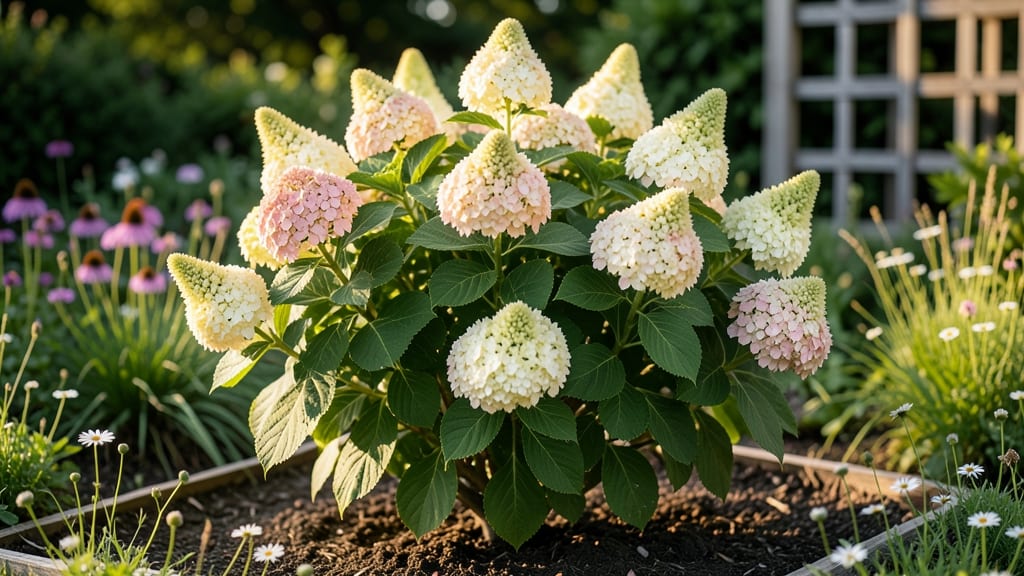
Hydrangea tree height by variety: from compact to towering giants
Choosing the right hydrangea tree for your garden means understanding how tall it’ll grow—and how sunlight exposure can dramatically alter its size. Some varieties stay compact and manageable, while others reach towering heights that require careful planning.
The key is matching your hydrangea tree height to your space while considering whether it thrives in full sun, partial shade, or filtered light.
For example, the Hydrangea paniculata ‘Limelight’ can soar to 12-15 feet in ideal conditions, while the Hydrangea arborescens ‘Annabelle’ typically stays between 3-5 feet. Sunlight exposure isn’t just about aesthetics—it directly impacts growth rates, flowering intensity, and even the plant’s ability to withstand winter.
Let’s break down the most popular varieties and how to manage their heights naturally.
| Variety | Mature Height (ft) | Sunlight Needs | Growth Habit | Notes |
|---|---|---|---|---|
| Hydrangea paniculata 'Limelight' | 12-15 ft | Full sun to partial shade | Upright, fast-growing | Blooms late summer; thrives in heat |
| Hydrangea arborescens 'Annabelle' | 3-5 ft | Partial shade to full shade | Bushy, rounded | White blooms; drought-tolerant |
| Hydrangea quercifolia | 6-10 ft | Partial shade | Oak-leaf shaped; slow-growing | Fall foliage turns red; acidic soil preferred |
| Hydrangea paniculata 'Little Lime' | 4-6 ft | Full sun to partial shade | Compact, upright | Dwarf version of 'Limelight' |
| Hydrangea macrophylla 'Endless Summer' | 3-5 ft | Partial shade | Bushy, multi-stemmed | Reblooms all season; needs consistent moisture |
If you’re planting a Hydrangea paniculata like ‘Limelight’, expect it to grow 3-5 feet per year in full sun, potentially reaching 15 feet within 5 years. In contrast, ‘Annabelle’ grows just 1-2 feet annually and rarely exceeds 5 feet, making it perfect for smaller gardens or containers.
The Hydrangea quercifolia, with its distinctive oak-shaped leaves, grows more slowly but can still reach 10 feet in ideal conditions.
Sunlight exposure is the game-changer here. For instance, ‘Limelight’ will grow 20% taller in full sun compared to partial shade, while ‘Annabelle’ may produce fewer blooms if exposed to too much direct sunlight.
Always check your local USDA hardiness zone—some varieties, like H. quercifolia, struggle in zones below 5 without winter protection. Planting in the right spot saves you from pruning struggles later.
For gardeners with limited space, dwarf varieties like ‘Little Lime’ or ‘Endless Summer’ are game-changers. These stay under 6 feet but still deliver stunning blooms. However, even compact hydrangeas need room to breathe—plant them 3-5 feet away from structures or other plants to prevent overcrowding.
If you’re unsure about height potential, start with a container-grown specimen to assess its growth rate before committing to permanent placement.
One common mistake is assuming all hydrangeas thrive in full sun. While H. paniculata varieties love sunlight, H. macrophylla types (like ‘Endless Summer’) may scorch in hot afternoons.
Always observe your plant’s leaves—yellowing or crispy edges signal too much sun, while pale, leggy growth means it’s not getting enough light. Adjusting placement mid-season can save your hydrangea from stress and encourage healthier growth patterns.
Pruning plays a huge role in managing height. For H. paniculata types, prune in late winter to shape and control height, while H. arborescens varieties should be pruned right after flowering. Over-pruning can stunt growth, while under-pruning leads to unruly, overgrown bushes.
If your hydrangea is already too tall, focus on selective pruning—cutting back 1/3 of the oldest stems each year to encourage new growth at the base.
Soil quality also influences height. Hydrangeas prefer well-draining, slightly acidic soil (pH 5.5-6.2) for optimal growth. Amend heavy clay with compost or peat moss to improve drainage, and consider adding hydrangea-specific fertilizer in early spring to boost flowering and height potential.
In containers, use a lightweight potting mix with perlite to prevent root-bound issues that can limit growth.
Whether you’re planning a backyard privacy screen or a container garden, choosing the right hydrangea variety—and giving it the sunlight it craves—
Sunlight requirements that determine hydrangea tree growth
Sunlight is the secret ingredient that transforms a hydrangea tree from a compact shrub into a towering statement plant—or keeps it manageable in small spaces. Hydrangea paniculata varieties, like ‘Limelight’, thrive in full sun to partial shade, often reaching 10-20 feet tall when given ample light.
Meanwhile, H. arborescens (like ‘Annabelle’) prefers partial shade and stays shorter at 3-5 feet without aggressive pruning.
Your climate zone also dictates growth habits. In USDA Zones 5-8, hydrangeas in full sun may grow 30% taller but require more water and pruning. In hot, dry zones (9+), afternoon shade prevents leaf scorch and keeps growth more controlled.
Even filtered light under tall trees can stunt height but produces lush foliage with fewer blooms.
Here’s how sunlight directly impacts your hydrangea tree’s growth:
Sunlight Impact on Hydrangea Tree Growth
✅ Full Sun (6+ hours)
- Height: 10-20 ft
- Blooms: Abundant, large clusters
- Growth: Faster vertical growth
- Pruning: Heavy annual pruning needed
- Climate: Best for Zones 5-8
⚠️ Partial Shade (3-6 hours)
- Height: 6-12 ft
- Blooms: Moderate, vibrant colors
- Growth: Balanced height/width
- Pruning: Light shaping pruning
- Climate: Ideal for Zones 6-9
❌ Filtered Light (<3 hours)
- Height: 3-6 ft
- Blooms: Fewer, smaller clusters
- Growth: Slow, bushy habit
- Pruning: Minimal pruning needed
- Climate: Best for Zones 7-10
Note: Adjust pruning timing based on sunlight—prune H. paniculata in late winter for full sun; prune H. arborescens after blooming in partial shade.
If your hydrangea tree is in full sun, expect taller growth but prioritize deep watering 2-3x per week to prevent drought stress. In partial shade, growth slows naturally, making it ideal for small yards.
For filtered light, focus on mulching to retain moisture and supplement with balanced fertilizer in early spring to encourage blooms.
Your pruning approach should also adapt to sunlight. Trees in full sun need structural pruning in late winter to remove dead wood and shape for airflow. Those in partial shade benefit from light shaping after flowering to maintain their compact form.
Always use sterilized shears and prune just above a leaf node for best results.
Pro tip: Move young hydrangea trees to their permanent spot by their second year to avoid transplant shock. If relocating mature trees, do it in early spring before new growth begins.
Monitor their leaf color—yellowing in full sun signals overheating, while pale leaves in shade indicate nutrient deficiency.
With the right sunlight balance, your hydrangea tree will thrive—whether you want a privacy screen, a garden focal point, or a container specimen. Start by assessing your yard’s light conditions, then adjust care accordingly for healthy, controlled growth. 🌿☀️✂️