
How To
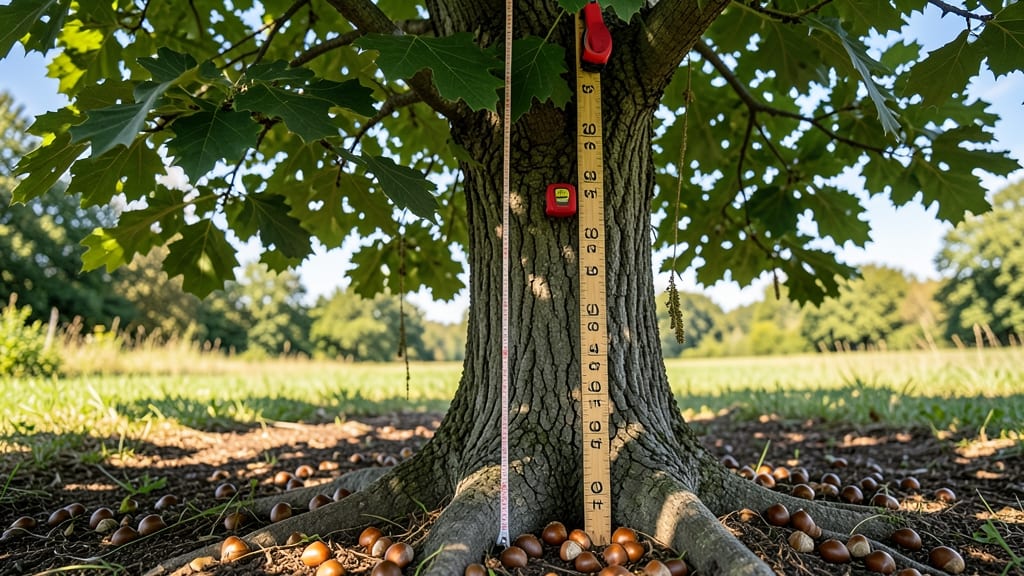
An oak tree 🌳 can grow anywhere from 60 to 100 feet tall, depending on the species and growing conditions—so if you're dreaming of a backyard giant, here's what you need to know.
If you’ve ever wondered whether an oak tree could one day shade your entire backyard—or if it’ll stay a modest shrub—you’re not alone. Oak trees are iconic, long-lived giants, but their mature heights vary dramatically by species, climate, and growing conditions.
Some oaks, like the towering white oak, reach 100 feet or more, while others, such as the bur oak, stay closer to 60 feet. Even within the same species, factors like soil quality, sunlight, and spacing can influence how tall your oak grows over time.
Below, I’ll break down the height ranges for popular oak species, how fast they grow, and practical tips to help you choose—or manage—the perfect oak for your space.

Mature heights of oak tree species: from dwarfs to giants
Oak trees are nature’s skyscrapers, but their mature heights can vary from modest shrubs to towering giants. The red oak and white oak families alone span a staggering range—from 20-foot dwarf varieties to 100-foot giants.
Your choice of species will determine whether your oak becomes a backyard centerpiece or a neighborhood landmark. Let’s explore the extremes and everything in between.
Before planting, check your USDA hardiness zone and local climate. Coastal regions often see slower growth due to salt spray, while inland areas with rich soil can accelerate height gains.
For example, a live oak in Florida may stay shorter than one in Texas, even though both species are native to the southern U.S. Always prioritize well-drained soil and full sun exposure for optimal growth.
🌳 Key Takeaway: Oak heights are influenced by genetics, climate, and care. Even within the same species, individual trees can vary by 20-30 feet depending on conditions.
If you’re dreaming of a towering oak, the red oak and white oak are classic choices, often reaching 70+ feet in ideal conditions. These species thrive in USDA zones 3–9 and develop broad canopies that provide decades of shade.
For a low-maintenance giant, the bur oak offers similar height with better drought resistance.
On the opposite end, dwarf oak varieties like the evergreen oak stay under 25 feet, making them perfect for urban gardens or as specimen plants. These smaller oaks still produce acorns and offer year-round interest with their evergreen foliage.
Always check the mature spread—some dwarf oaks grow wider than they do tall!
For coastal gardens, the live oak is a standout, though its height is often overshadowed by its sprawling branches that can stretch 60–80 feet wide. This species loves humid climates and is a staple in Southern landscapes.
If you’re in a dry climate, consider the pin oak, which grows faster than white oak but needs acidic soil to thrive.
Pro tip: Measure your yard’s available space before planting. A 75-foot oak needs at least 50 feet of clearance from structures, power lines, and sidewalks. Always plant 3–5 feet deeper than the nursery pot to encourage strong root development and reduce transplant shock.
🌿 Regional Tip: In arid zones, mulch heavily around young oaks to retain moisture. In wet climates, ensure proper drainage to
How fast do oak trees grow? Growth rates by species and age
Oak trees are famous for their longevity, but their growth speed varies wildly depending on the species and age. Young oaks grow surprisingly fast at first, while mature trees add only a few inches per year.
Understanding these patterns helps you plan for shade, space, and long-term care. I’ll break down how oak growth changes over time and what you can do to optimize it.
In their first decade, oak trees can grow 2-4 feet per year under ideal conditions. However, growth slows dramatically after 20 years, with mature trees adding just 6-12 inches annually.
This shift explains why some oaks reach 60-100 feet in 50-100 years, while others stay shorter due to genetics or environmental limits.
Key Oak Growth Milestones
- 🌱 0-10 years: 2-4 ft/year (fastest growth phase)
- 🌳 10-30 years: 1-2 ft/year (steady growth)
- 🪴 30-50 years: 6-12 in/year (slows significantly)
- 🌲 50+ years: 3-6 in/year (mature phase)
Fast-growing species like bur oak and pin oak can reach 30-50 feet in 20 years, while slower varieties like white oak may take 40 years to reach the same height.
Soil quality, sunlight exposure, and water availability all play critical roles. For example, live oak grows faster in coastal climates with high humidity, while red oak thrives in cooler, drier regions.
To estimate an oak’s future height, multiply its current height by 1.5-2.0 for young trees (under 10 years) and by 1.1-1.3 for mature trees.
For instance, a 10-foot white oak at age 5 might reach 30-50 feet at maturity, while a 20-foot bur oak could top out at 60-80 feet. Always account for your local climate—oaks in USDA Zone 5 grow slower than those in Zone 8.
You can accelerate growth by ensuring your oak gets full sun (6+ hours daily) and well-draining soil. Mulch the base with 2-4 inches of organic matter to retain moisture and nutrients.
Avoid overwatering, as soggy roots stunt growth. If you’re planting near structures, choose dwarf varieties like ‘Dwarf Bur Oak’, which max out at 15-20 feet.
Remember, oak trees prioritize root development over height early on. Patience is key—most oaks take 30-50 years to reach their full potential. With the right care, your oak could become a stunning, centuries-long centerpiece for your landscape. 🌳