
How To
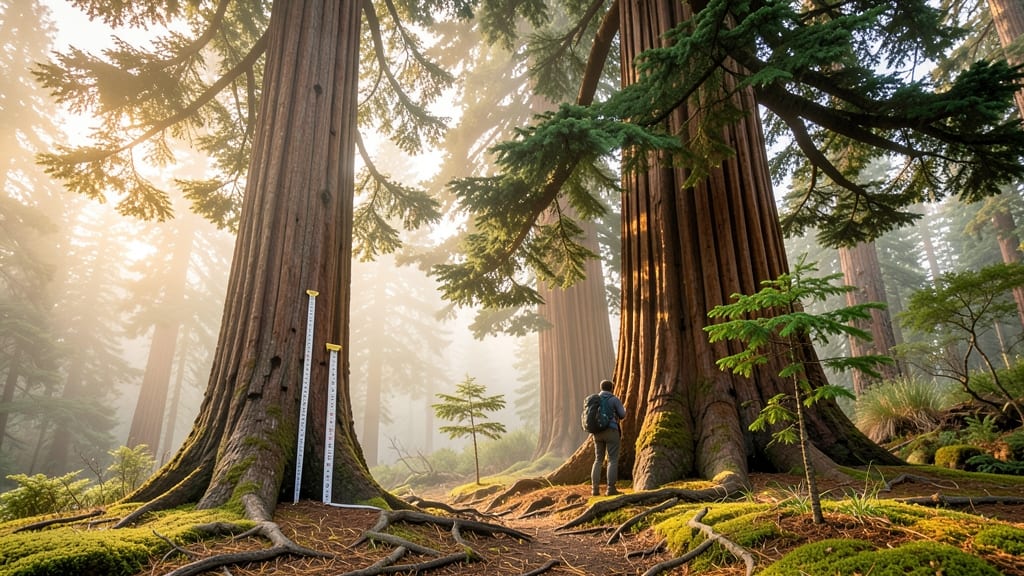
Trees can grow up to 379 feet tall, as seen in the world’s tallest species, the coastal redwood (Sequoia sempervirens), while fast-growing varieties like hybrid poplars may reach 100+ feet in ideal conditions. Height depends on species, climate, and soil quality.
When you think about towering giants like the coastal redwoods, it’s easy to forget that some trees can grow 12 feet per year under perfect conditions. 🌳 These rapid growers, such as hybrid poplars or willows, are often used for privacy screens or windbreaks because they can reach impressive heights in just a few decades.
The key difference between these fast growers and the slow-growing redwoods lies in their genetic makeup and environmental needs—redwoods thrive in cool, foggy climates with deep soil, while poplars prefer well-drained soil and full sunlight.
What’s fascinating is how genetics play a role—some trees are hardwired to grow taller for survival, like the redwoods competing for sunlight in dense forests. Meanwhile, others prioritize rapid growth to spread seeds quickly.
If you're looking to maximize height in your own yard, focus on species that match your climate and soil type, and give them plenty of space to stretch their roots.
💡 In This Article
- Factors Influencing Tree Height: Species, Climate, and Genetics
- Fastest-Growing Trees for Landscaping and Timber
Factors influencing tree height: species, climate, and genetics
The genetic blueprint of a tree species determines its maximum height potential. Coastal redwoods (Sequoia sempervirens), for example, possess elongated cells in their xylem (wood tissue) that allow water to travel efficiently upward, supporting heights up to 379 feet.
These trees grow just 2 feet per year but live for millennia, accumulating height over centuries. In contrast, tropical giants like the African baobab (Adansonia digitata) grow wider rather than taller, prioritizing trunk diameter for water storage in arid climates.
Climate plays a critical role in height development. Redwoods thrive in coastal fog belts where high humidity reduces water stress, while tropical species like the kapok (Ceiba pentandra) rely on year-round warmth and heavy rainfall to fuel rapid vertical growth.
Temperature extremes can stunt growth—young trees exposed to frost may develop thicker bark and shorter stature, as seen in mountain pines (Pinus spp.) growing at 10,000 feet elevations. Soil depth and nutrient availability also matter: redwoods need 100+ feet of deep, well-drained soil to support their massive root systems.
Sunlight exposure directly impacts growth rates through photosynthesis. Trees in dense forests often grow taller to compete for light, a phenomenon called "self-thinning." The world's tallest trees, like Hyperion (a 380-foot redwood), emerge from open groves where they receive unobstructed sunlight.
In urban settings, trees like London planetrees (Platanus × acerifolia) may grow faster when planted in full sun but often develop weaker wood structure due to limited space for root expansion.
Genetic mutations can create height anomalies. Some hybrid poplars (Populus spp.) grow 12 feet per year due to fast cell division rates, while dwarf varieties of conifers stay under 10 feet due to stunted growth hormones.
These variations explain why nurseries offer "miniature" versions of iconic trees—like the 5-foot bonsai redwoods—while their wild counterparts stretch toward the sky.
Human activity also influences height. Selective logging has reduced average tree heights in many forests, as smaller, faster-growing species dominate regrowth areas. Meanwhile, climate change threatens tall species by altering rainfall patterns—drought-stressed redwoods may grow slower or die back, reducing their potential height.
The tallest trees today are often protected in old-growth forests where natural conditions remain undisturbed.
Consider this: a single redwood seedling might take 500 years to reach its full height, while a fast-growing willow (Salix spp.) could hit 30 feet in just 5 years.
The trade-off between speed and longevity reveals nature's balance—some trees prioritize height for sunlight access, while others focus on rapid reproduction or survival in harsh conditions.