
How To
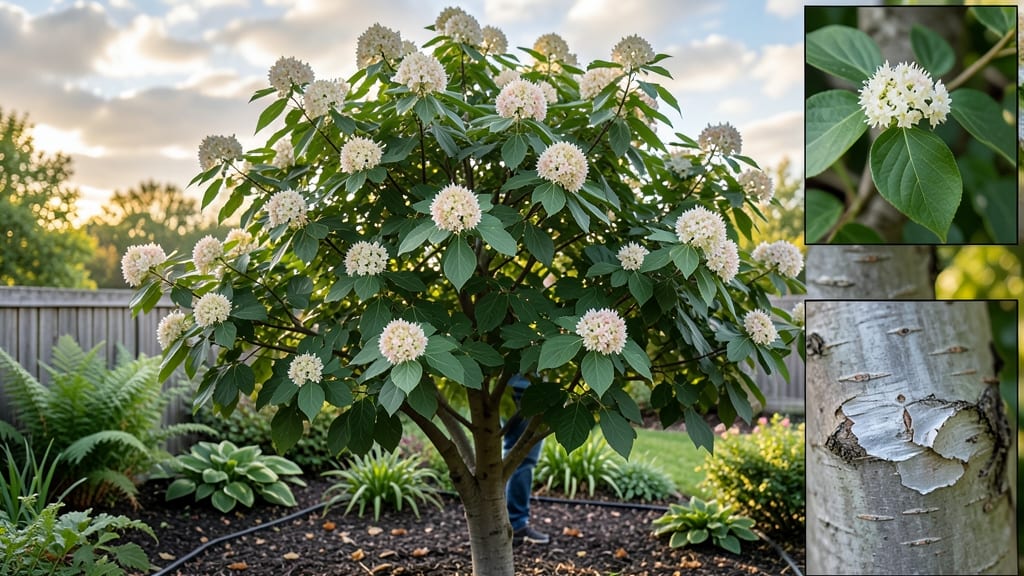
A dogwood tree grows to how tall does a dogwood tree grow heights between 10 and 30 feet at maturity, depending on the variety you choose—so knowing the exact range helps you pick the perfect fit for your yard.
If you're dreaming of a stunning shade tree for your yard, dogwoods are a top contender—but their mature height can vary dramatically by variety. A Cornus florida might top out at 20 feet, while a Cornus kousa could reach 30 feet, making placement a key decision.
This size difference isn’t just about aesthetics—it affects pruning needs, root spread, and even how much shade your tree will provide. Some varieties stay compact, perfect for smaller spaces, while others grow tall enough to rival a two-story house.
Below, I break down the height ranges for popular dogwood types, along with tips to keep your tree at your ideal size—whether you want a small tree for a patio or a medium tree for a backyard focal point.

Dogwood tree height by variety: a complete size comparison guide
When planning your landscape, understanding dogwood tree height is crucial for placement and design. These trees range from compact shrubs to towering shade providers, with mature heights varying by species and cultivar.
Whether you need a low-growing accent or a grand specimen, choosing the right variety ensures your dogwood thrives in its space.
Dogwoods are prized for their stunning spring blooms and vibrant fall foliage, but their size at maturity determines where they'll fit best. For example, some varieties stay under 10 feet tall, while others reach 30 feet or more.
Let’s break down the most popular types so you can pick the perfect fit for your yard.
🌳 Visual Reference: Imagine a standard dogwood like a basketball hoop (10 feet) on the shorter end, scaling up to the height of a two-story house (30 feet) for the tallest varieties. This comparison helps visualize spacing needs before planting.
If you’re working with limited space, dwarf dogwood varieties like 'Compacta' or 'Cherokee Brave' are ideal. These stay under 12 feet tall and work beautifully in small gardens or as container plants.
For larger properties, standard varieties like Cornus florida 'Rubra' or Cornus kousa 'Summer Wine' provide dramatic height and seasonal interest.
Another factor to consider is root spread. While height is obvious, the width of a dogwood’s canopy often equals or exceeds its height. For example, a 20-foot-tall dogwood may spread 15 feet wide, so plan accordingly to avoid overcrowding nearby plants or structures.
For urban landscapes, semi-dwarf varieties like 'Milky Way' strike a balance. They offer the beauty of dogwood blooms without overwhelming smaller yards. Always check the mature height label when purchasing, as nurseries sometimes list "height at 10 years" instead of full maturity.
Pro tip: Prune in late winter to shape young dogwoods and encourage a stronger structure. Avoid heavy pruning after flowering, as this can reduce next year’s bloom production. With the right variety and care, your dogwood will thrive for decades, providing year-round interest.
Now that you know the height ranges, you can confidently select a dogwood that fits your vision—whether it’s a towering shade tree or a compact accent plant. Happy planting! 🌿
How to choose the right dogwood size for your landscape
Choosing a dogwood tree that fits your landscape requires balancing height, space, and maintenance needs. A 20-foot standard variety like Cornus florida 'Rubra' won’t work in a small backyard, while a 6-foot dwarf like 'Cherokee Brave' might feel too small for a large property.
Start by measuring your yard’s available space and consider how the tree’s canopy spread will affect nearby plants or structures.
Dogwoods thrive in partial shade, but their height affects sunlight exposure. Taller varieties like Cornus kousa (15-25 feet) can cast deep shade, while dwarf types (6-12 feet) offer filtered light.
Place taller dogwoods near south-facing walls to maximize shade benefits, or use dwarf varieties under smaller windows for year-round color. Always check your USDA hardiness zone—some varieties struggle in Zone 5 winters.
🌳 Dogwood Height Guide by Variety
| Variety | Mature Height | Best For |
|---|---|---|
| Cornus florida 'Rubra' | 20-30 ft | Large yards, shade trees |
| Cornus kousa 'Milky Way' | 12-18 ft | Medium spaces, privacy screens |
| Cornus florida 'Compacta' | 6-12 ft | Small yards, containers |
| Cornus alba 'Siberian Pearl' | 3-6 ft (shrub) | Borders, foundation planting |
💡 Pro Tip: Always account for root spread—dogwood roots extend 2-3x the canopy width.
Root spread is often overlooked but critical for long-term health. A 20-foot dogwood can have roots spreading 30-40 feet, competing with nearby plants or underground utilities. For urban gardens, opt for dwarf varieties or container-grown dogwoods to limit root intrusion.
Always plant at least 10 feet away from sidewalks or driveways to avoid root damage or cracked foundations.
Pruning needs vary by height—taller dogwoods require annual structural pruning to remove dead branches, while dwarf varieties may only need light shaping every 2-3 years. Disease resistance also plays a role: Cornus florida varieties are prone to powdery mildew in humid climates, while Cornus kousa is more resilient.
Choose disease-resistant types if you live in a high-humidity zone like the Southeast.
Consider your long-term goals—will you want to prune the tree into a smaller shape later? Some dogwoods respond poorly to heavy pruning, so research each variety’s tolerance.
For example, 'Cherokee Brave' handles pruning well, while 'Cloud 9' is best left untrimmed. Always prune in late winter to avoid removing next year’s flower buds.
Finally, think about seasonal interest. Taller dogwoods offer year-round structure, while dwarf types provide colorful foliage at eye level. Pair a 6-foot dogwood with perennials for a layered look, or use a 20-foot specimen as a focal point.
With the right size and placement, your dogwood will be a low-maintenance star for decades.