
How To
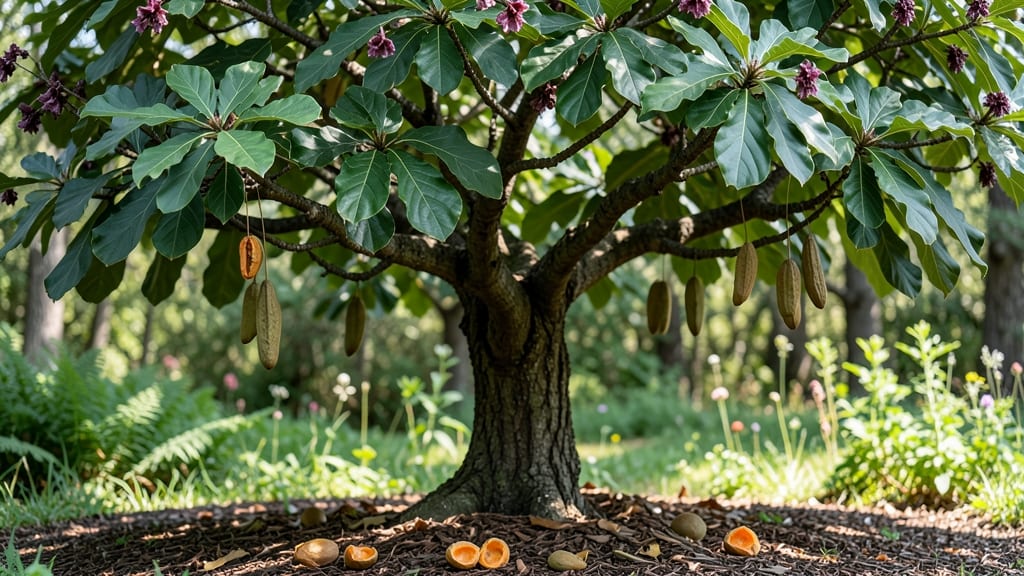
A pawpaw tree can grow between 20 and 40 feet tall—taller than most backyard trees and nearly as big as a two-story house.
If you're dreaming of growing pawpaw trees but worried about space constraints, you're not alone—many gardeners underestimate their massive potential. These tropical-tasting fruits thrive in North America but can dwarf even the most ambitious backyard, reaching heights that might surprise you.
Most pawpaw varieties, like the classic Sunflower or Overleese, hit their full height within 15 to 25 years, though some dwarf cultivars stay shorter. The good news?
With the right spacing and pruning, you can manage their growth—whether you're working with a small urban lot or a sprawling rural garden.
Below, I’ll break down how fast these trees grow, the best varieties for limited space, and the spacing rules to keep your yard looking neat while still enjoying those sweet, custard-like fruits.

Pawpaw tree height by variety: from dwarf to giant growth ranges
If you're considering adding pawpaw trees to your garden, understanding their mature height is crucial for planning. These native North American trees can grow surprisingly tall, with some varieties reaching heights that rival small oak trees.
The standard pawpaw tree often tops out between 20-40 feet, making them a significant investment in both space and patience. But don't worry—there are also dwarf varieties that can work in smaller spaces while still producing delicious fruit.
Your choice of variety will determine not just how tall your pawpaw tree grows, but also how much space it needs to thrive. Some popular cultivars like Sunflower or Overleese maintain a more manageable height, while others can become towering giants.
Let's explore the height ranges of the most common pawpaw varieties to help you select the perfect fit for your landscape.
🌳 Key Consideration: Pawpaw trees develop a wide-spreading canopy that's almost as impressive as their height. Always account for both dimensions when planning your planting location. A 20-foot-tall tree with a 15-foot-wide canopy requires significant space to avoid shading out other plants or encroaching on structures.
The Sunflower variety is one of the most popular choices for home gardeners because of its balanced height of 20-30 feet. This makes it suitable for larger suburban yards while still being manageable.
Its moderate canopy spread of 15-20 feet means it won't completely dominate your landscape, making it ideal for gardeners who want a fruit-bearing tree without sacrificing other plants.
For those with limited space, the SunUp variety is an excellent option. Typically reaching only 12-20 feet tall with a 10-15 foot spread, it's one of the more compact pawpaw varieties available.
This makes it perfect for small yards or even container growing, though it may require regular pruning to maintain its size. Many gardeners use this variety in urban landscapes where space is at a premium.
If you're planting pawpaw trees in a woodland setting or have a very large property, the Overleese variety might be your best choice. Known for its exceptional fruit production, this variety can reach 25-35 feet tall with an
How fast pawpaw trees grow: annual height increases & mature timeline
Pawpaw trees (Asimina triloba) grow at an impressive rate, especially when given the right conditions. In their first few years, they shoot up quickly—often 2 to 4 feet in just their first growing season. This rapid growth continues, with some trees reaching 10 feet tall by year three.
However, their full potential isn't realized until they mature, which can take 10 to 15 years depending on the variety and care provided.
Understanding their growth timeline helps you plan your garden layout and manage expectations. While they start small, these trees can eventually tower over your backyard, reaching heights of 20 to 40 feet at maturity.
Proper spacing and pruning early on can prevent overcrowding and ensure your pawpaw tree thrives without becoming a space hog.
- 1 Year 1: Saplings grow 2–4 feet with ideal care, establishing a strong root system.
- 2 Year 2–3: Rapid growth to 6–10 feet, with thicker trunks and more branches forming.
- 3 Year 4–5: Trees reach 12–18 feet, beginning to produce flowers (though fruit may not appear yet).
- 4 Year 6–10: Mature height of 20–40 feet achieved, with full fruit production starting around year 8–10.
- 5 Factors Affecting Growth: Sunlight, soil quality, and pruning can accelerate or slow growth by 30–50%.
Several factors influence how quickly your pawpaw tree grows. Sunlight is critical—these trees thrive in partial shade but need at least 4–6 hours of morning sun to fuel rapid growth.
Poor soil drainage or nutrient-deficient soil can stunt growth, so amending the soil with compost or organic matter before planting gives your tree a strong start.
Pruning plays a key role in managing height and encouraging fruit production. Annual pruning in late winter removes dead or crossing branches, while selective pruning can redirect energy toward upward growth. Avoid heavy pruning once the tree is mature, as this can reduce fruit yield.
If you're growing pawpaws in a small space, consider dwarf varieties like 'Sunflower' or 'Overleese', which may stay slightly shorter.
Pawpaw trees typically begin bearing fruit between ages 8 and 12, with peak production occurring once they reach 15–20 feet tall. The first fruits are often small, but with proper care, your tree can produce 50–100 pounds of fruit annually once mature.
Patience is key—you’ll need to wait a decade or more to enjoy a full harvest, but the tropical flavor of pawpaws makes it worth the wait.
If you're planning to grow pawpaws, start by selecting a sunny, sheltered spot with well-draining soil. Monitor growth closely in the first few years, and don’t hesitate to prune aggressively if the tree outgrows its space.
With the right conditions, your pawpaw tree could become a stunning focal point in your garden—just be prepared for its impressive height!