
How To
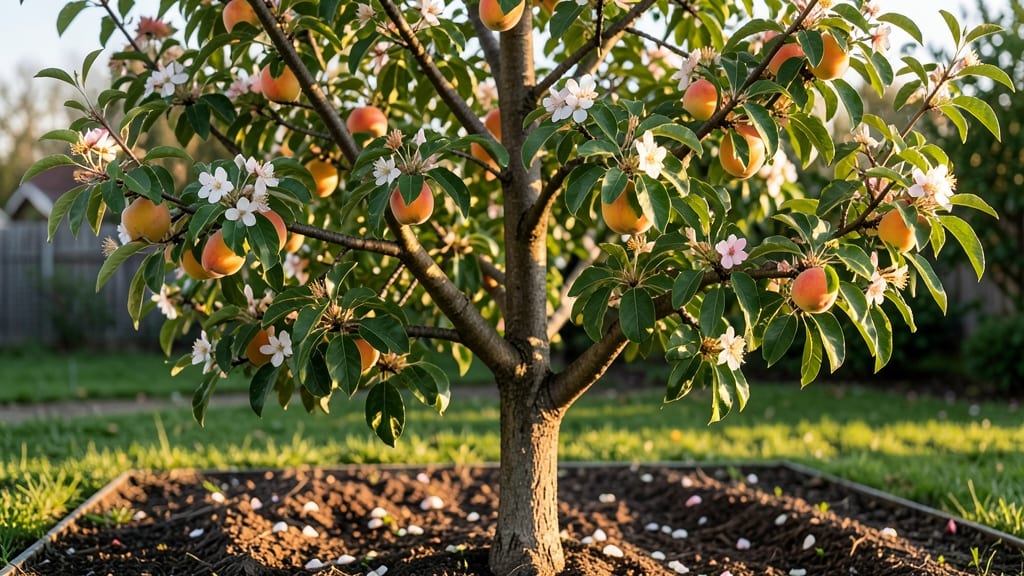
A peach tree can grow between 15 and 25 feet tall at maturity, but the final height depends on the variety you choose and how you care for it.
If you’ve ever dreamed of growing your own peaches but wondered whether your backyard can handle a towering peach tree, you’re not alone—tree height depends on more than just genetics.
From dwarf varieties that fit in containers to massive heritage trees reaching 40 feet, the right choice can transform your orchard or patio into a fruit-bearing paradise.
Standard varieties typically reach 20 to 30 feet, making them perfect for larger properties, while dwarf varieties stay under 10 feet—ideal for small spaces or containers.
Pruning and spacing also play a key role in controlling growth, so choosing the right variety for your climate and available space is the first step.
In this guide, you’ll discover how to pick the perfect peach tree for your yard, how pruning affects height, and the best spacing tips to ensure your tree thrives—without taking over your garden.

Peach tree height by variety: dwarf to giant size comparison
Choosing the right peach tree variety isn’t just about fruit flavor—it’s about space! Some varieties stay under 10 feet while others reach 40+ feet. The key? Rootstock and pruning practices determine whether your peach tree becomes a patio-friendly bush or a backyard giant.
Let’s break down the options so you can pick the perfect fit for your garden.
Most home gardeners start with standard peach trees (15–25 feet), but dwarf varieties (6–12 feet) are gaining popularity for small spaces. The difference? Dwarf rootstock like Lovell or Guardian restricts growth, while standard rootstock like Halford or Nemaguard lets trees grow taller.
Even giant heritage varieties (30+ feet) exist, though they’re rare in home gardens due to their size.
🌱
| Variety Type | Mature Height | Ideal Spacing | Rootstock Example | Pruning Needs | Best Climates |
|---|---|---|---|---|---|
| Dwarf | 6–12 ft | 8–10 ft apart | Lovell, Guardian | Light annual pruning | USDA Zones 5–9 |
| Semi-Dwarf | 12–20 ft | 12–15 ft apart | Flordaguard, Nemaguard | Moderate pruning | USDA Zones 6–10 |
| Standard | 20–30 ft | 20–25 ft apart | Halford, Nemared | Heavy pruning | USDA Zones 5–9 |
| Giant | 30–40+ ft | 30+ ft apart | Seedling (no graft) | Aggressive pruning | USDA Zones 6–10 |
If you’re short on space, dwarf peach trees are the answer. Varieties like Bonanza or Redhaven on Lovell rootstock stay under 10 feet and produce fruit in 2–3 years. These are perfect for containers or small patios, though they may need staking for support as they grow.
Just remember: Dwarf trees need regular pruning to maintain shape and encourage fruit production.
For semi-dwarf varieties, think of Elberta or Suncrest—they reach 12–20 feet but stay manageable with moderate pruning. These work well in backyard orchards where you can space them 12–15 feet apart.
Their rootstock (like Flordaguard) balances size and productivity, making them a favorite for home growers.
🪴
Standard peach trees, like Relenta or Contender, are the classic choice for large properties. Without pruning, they can hit 25–30 feet, but aggressive pruning keeps them under control.
These trees thrive in full sun and well-draining soil, producing heavy fruit loads if spaced 20–25 feet apart. They’re ideal for commercial orchards but can also work in spacious backyards.
Giant peach trees are a rare but rewarding option for those with massive properties. These heritage varieties, like Chinese Cling or Donut peaches, can reach 40+ feet and produce huge fruit yields.
However, they require heavy pruning, wide spacing, and specialized care. If you’re not prepared for a treehouse-level peach tree, stick to dwarf or semi-dwarf options.
🌳
One critical factor in peach tree height is rootstock. The rootstock determines how tall the tree grows, while the scion variety (the top part) decides fruit flavor and quality.
For example, grafting Bonanza peaches onto Lovell rootstock keeps the tree dwarf-sized, while grafting onto Halford rootstock results in a standard-sized tree. Always check the rootstock when buying peach trees to avoid surprises!
Finally, don’t forget that pruning and training play a huge role in controlling height. Open-center pruning encourages a bushier shape, while central leader pruning keeps the tree taller.
If you want a compact tree, prune in late winter to remove suckers and water sprouts. For taller trees, focus on
Climate and soil factors that affect peach tree growth height
Your peach tree’s mature height isn’t just about genetics—it’s heavily influenced by your local climate and soil conditions.
In warmer USDA zones (8-10), trees like 'Elberta' or 'Redhaven' can sprawl to 25-35 feet, while in cooler zones (5-7), the same varieties may stay under 15 feet due to slower growth.
Frost sensitivity also plays a role—early bloomers in cold climates often grow more compactly to survive winter.
Soil drainage is equally critical: Heavy clay soils can stunt growth by 20-30% compared to well-draining loam, while sandy soils may encourage faster vertical growth. Amending your soil with compost or grit can help control height by improving nutrient balance and root stability.
For example, adding organic matter to clay soil can reduce height by 3-5 feet over 5 years.
| Factor | Impact on Height | Solution |
|---|---|---|
| USDA Zone 5-6 | 10-15 ft (slow growth, compact varieties) | Choose dwarf rootstock (e.g., Lovell) |
| USDA Zone 7-8 | 15-25 ft (moderate growth) | Use semi-dwarf rootstock (e.g., Halford) |
| USDA Zone 9-10 | 20-35+ ft (fast growth, sprawling) | Prune aggressively; space 20+ ft apart |
| Poor drainage (clay) | Stunted growth (-20% height) | Add compost + sand (1:1 ratio) |
| Well-draining soil | Maximized height potential | Mulch with wood chips (3-inch layer) |
Temperature also affects fruit production tied to height: In cooler zones (5-6), trees focus energy on survival, resulting in shorter stature but higher fruit density per branch. Meanwhile, warmer zones (9-10) see rapid vertical growth but may produce larger, fewer fruits due to energy distribution.
For example, 'Bonanza' peaches in California reach 30 feet but yield 50% more fruit per tree than in Oregon’s Zone 7.
To manage height naturally, focus on soil amendments like gypsum for clay or peat moss for sandy soils. These adjustments improve root health, indirectly limiting excessive vertical growth.
For instance, amending clay soil with 10 lbs of gypsum per 100 sq ft can reduce height by 1-2 feet annually. Always pair this with regular pruning to maintain an open canopy for airflow and sunlight penetration.
Remember, dwarf varieties (like 'Bonanza' on Lovell rootstock) stay under 10 feet regardless of climate, making them ideal for containers or small yards. However, even these benefit from well-draining soil—poor conditions can still cause up to 30% stunted growth.
Test your soil’s pH (ideal: 6.0-6.5) and adjust with lime or sulfur as needed to optimize height and yield.
By understanding these climate and soil interactions, you can predict and control your peach tree’s height while maximizing fruit production—whether you’re growing a backyard dwarf or a full-sized orchard tree. 🌱🌳💧