
How To
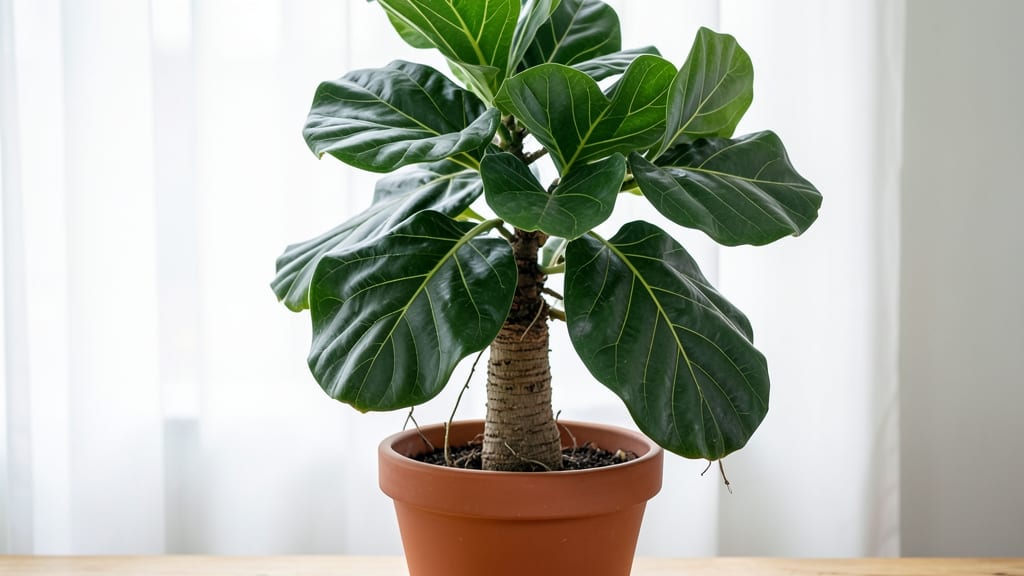
A ficus tree’s mature height can range from how tall does a ficus tree grow—a modest 8 feet to towering 30 feet—depending on the species and growing conditions you provide.
Wondering if your ficus tree will soon tower over your home or stay manageable as a houseplant? The answer depends entirely on the variety—some ficus trees grow just a few feet tall, while others can reach small tree heights of 30 feet or more.
Whether you’re growing a Ficus elastica (rubber plant) or a Ficus benjamina (weeping fig), understanding these height differences helps you plan for space and maintenance from the start.
Below, I’ll break down the height ranges for popular ficus varieties, share pruning tips to control growth, and explain how light, water, and care influence how tall your 🌳 ficus tree becomes.

Ficus tree height by variety: small to giant growth ranges
If you're wondering how tall does a ficus tree grow, the answer varies dramatically depending on the variety. Some ficus species stay compact enough for indoor pots, while others become towering outdoor trees.
Understanding these differences helps you choose the right ficus for your space—whether you want a small houseplant or a statement outdoor tree.
Ficus trees are popular for their adaptability, but their mature height can range from just 3-5 feet to over 30 feet. Growth rates also differ, with some varieties growing 1-2 feet per year while others shoot up 3-5 feet annually under ideal conditions.
Let’s break down the most common ficus varieties and their height expectations.
The Ficus elastica, or rubber plant, is one of the most popular indoor ficus varieties. Indoors, it typically stays between 6-10 feet tall, making it ideal for homes with high ceilings.
However, when grown outdoors in tropical climates, it can reach 30-50 feet, resembling a small tree. Its glossy leaves and slow growth rate make it a low-maintenance choice for beginners.
For those seeking a taller indoor ficus, the Ficus benjamina, or weeping fig, is a top pick. This variety grows 10-20 feet indoors and can stretch to 40-60 feet outdoors.
Its weeping branches and air-purifying qualities make it a favorite for large spaces. Pruning regularly helps control its height and encourages a fuller shape.
The Ficus lyrata, or fiddle-leaf fig, is a statement plant that thrives indoors but can grow quite tall. Indoors, it reaches 5-10 feet, while outdoors, it may hit 20-30 feet.
Its large, violin-shaped leaves add drama to any room, but it requires bright, indirect light to prevent leaf drop. If you’re short on space, opt for a dwarf variety or prune it aggressively.
If you’re looking for a fast-growing ficus, the Ficus microcarpa, or Ginseng ficus, is an excellent choice. This variety grows 2-3 feet per year and can reach 15-30 feet indoors or outdoors.
It’s often used in bonsai cultivation due to its thick, gnarled trunk and adaptability. For outdoor landscapes, it’s a great option for privacy screens or shade trees.
Understanding these height ranges helps you plan for your ficus’s future. Whether you’re growing it indoors as a houseplant or outdoors as a landscape tree, knowing its mature size ensures you provide the right space and care.
Next, we’ll explore how to control ficus height through pruning and grooming techniques to keep your plant at your desired size. 🌿
One key factor influencing ficus height is light exposure. Most ficus varieties grow taller and faster in bright, indirect light. If your ficus isn’t getting enough light, it may stretch toward windows, leading to leggy growth.
Rotate your plant occasionally to ensure even growth and prevent it from leaning. Additionally, fertilizing regularly during the growing season (spring and summer) promotes healthier, more controlled growth.
For outdoor ficus trees, soil quality and watering habits play a huge role in their height. Well-draining soil prevents root rot, while consistent moisture supports steady growth. If you’re growing a
How to control ficus tree height through pruning and grooming
Keeping your ficus tree at your desired height is easier than you think! With the right pruning techniques, you can shape it into a compact houseplant or maintain it as a small outdoor tree.
The key lies in understanding when and how to trim, along with the tools you'll need for the job.
Ficus trees respond well to regular pruning, especially during their active growing season. Whether you want a bushier plant or a taller specimen, strategic cuts will help you achieve your goal.
Indoor ficus trees, like Ficus elastica or Ficus benjamina, grow more slowly than outdoor varieties, making them easier to control.
Prune in spring or early summer when your ficus is actively growing. Avoid heavy pruning in fall or winter as growth slows down.
You'll need sharp pruning shears, sterilized scissors, and rubbing alcohol to clean cuts. For thicker branches, use pruning saws.
For a bushier look, cut just above a leaf node. To control height, trim the top growth to encourage lateral branches.
Cut at a 45-degree angle just above a bud or leaf. Avoid leaving stubs, which can rot. Wipe tools with rubbing alcohol between cuts.
After pruning, place your ficus in bright, indirect light to stimulate regrowth. Water lightly to help recovery, but avoid overwatering.
Use a balanced fertilizer (10-10-10) 2-4 weeks after pruning to support new growth. Follow package instructions for dosage.
For outdoor ficus trees, like Ficus microcarpa, pruning is slightly different. These varieties grow faster and can reach 30 feet tall if left unchecked. Prune in late winter before new growth begins to shape the tree while it's dormant.
Remember, ficus trees are forgiving. Even if you prune too much, they’ll bounce back with proper care. Just avoid cutting more than one-third of the foliage at once to prevent stress. With practice, you’ll master the art of keeping your ficus at the perfect height! ✂️🌿🪴