
Leaf Blower
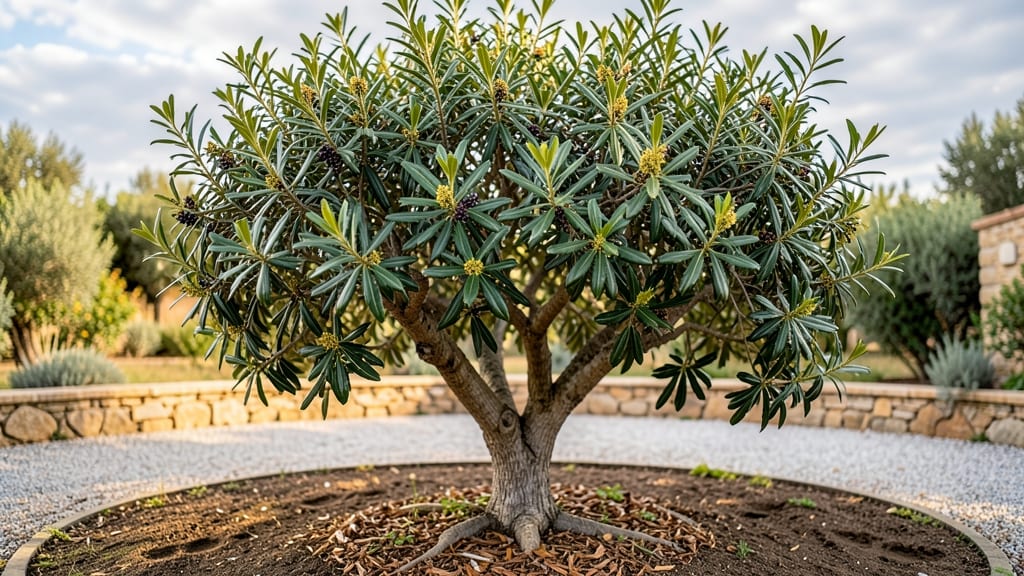
A bay leaf tree can grow anywhere from 10 to 40 feet tall, depending on its variety and growing conditions 🌿 — which means it might soon be taller than your house if you don’t plan ahead.
If you’ve ever wondered whether that fragrant bay leaf tree in your kitchen could one day tower over your home—or if it’s better suited for a small pot—you’re not alone.
The truth is, this versatile evergreen can range from a compact shrub to a full-sized tree, and knowing its potential height is key to choosing the right spot for it.
Most standard bay leaf trees (Laurus nobilis) reach 20 to 30 feet at maturity, but dwarf varieties stay under 8 feet, making them perfect for containers or small gardens.
Pruning plays a huge role in controlling its size, so whether you want a kitchen herb garden or a privacy screen, your options are flexible.
Below, I’ll break down how tall different varieties grow, how to manage their height with pruning, and which compact options work best for pots or indoor spaces—so you can pick the perfect fit for your home.

Bay leaf tree height by variety: mature sizes and growth habits
Bay leaf trees (Laurus nobilis) are stunning evergreens prized for their fragrant leaves and ornamental appeal, but their mature height can vary dramatically depending on the variety.
In nature, standard bay trees can soar to 20–40 feet tall, while carefully selected cultivars stay compact at just 3–8 feet. Knowing these differences helps you choose the right tree for your garden space or container garden.
The growth habit of a bay leaf tree also influences its height. Some varieties grow as upright trees with a single trunk, while others develop as multi-stemmed shrubs. Pruning plays a huge role—regular trimming keeps trees smaller, while minimal pruning allows them to reach their full potential.
Let’s explore how different varieties compare in size and care needs.
The standard bay laurel (Laurus nobilis) is the tallest variety, often reaching 30–40 feet in ideal conditions with 6+ hours of sunlight daily. This makes it perfect for large landscapes or as a privacy screen.
However, its size requires careful planning—plant it 15–20 feet from structures to avoid overgrowth issues.
For small-space gardening, dwarf varieties like 'Angustifolia' or 'Tiny Tower' are game-changers. These stay under 8 feet tall and thrive in 15-gallon containers, making them ideal for patios, balconies, or even indoor growth near sunny windows.
Their slower growth rate also means less frequent pruning—just light trimming once or twice a year keeps them tidy.
One common misconception is that all bay leaf trees grow into large trees. In reality, many cultivars are naturally compact if given the right conditions. For example, the 'Undulata' variety grows to 10–15 feet but has wavy-edged leaves that add texture to gardens.
Its bushy growth habit makes it great for hedges or borders without dominating the space.
Pruning is the #1 tool for controlling height. If you plant a standard bay laurel but want to keep it under 10 feet, prune back 1/3 of new growth in early spring. For container-grown varieties, pinch back tips regularly to encourage bushier growth and prevent legginess.
Just avoid over-pruning—this can stress the tree and reduce leaf production, which is where those fragrant bay leaves come from!
Climate also affects height. Bay trees grow fastest in USDA Zones 7–10, where they can add 2–4 feet per year. In cooler zones (like Zone 6), growth slows to 1–2 feet annually, keeping mature sizes smaller.
If you live in a colder climate, choose a dwarf variety or plant in a protected microclimate, like near a south-facing wall.
Soil quality matters too. Bay trees prefer well-draining, slightly acidic soil (pH 5.0–7.0). Poor soil or waterlogged conditions stunt growth, while rich, organic soil with compost can encourage faster—though not necessarily taller—growth.
If your soil is heavy clay, amend it with sand or perlite to improve drainage and support healthy roots.
Whether you dream of a towering bay tree for your backyard or a compact potted plant for your kitchen windowsill, there’s a variety to fit your space. Start with the summary table above, then match your garden size and care commitment to the right cultivar.
With the right choice, you’ll enjoy fragrant leaves and year-round greenery without the headache of overgrowth!
How to control bay leaf tree height: pruning and care tips
Bay leaf trees (Laurus nobilis) can grow wildly tall—up to 40 feet in ideal conditions—but their height is entirely manageable with the right pruning techniques and seasonal care.
If you’re growing one in your garden or a container, controlling its size starts with understanding when and how to trim without harming the plant.
I’ll walk you through the best methods to keep your bay tree at your desired height, whether that’s a compact 6-foot shrub or a tall, sculpted specimen.
One of the biggest mistakes gardeners make is pruning at the wrong time or cutting too aggressively. Over-pruning can stress the tree, while under-pruning leads to unruly growth.
The key is to prune just after flowering (late spring) or in early summer, when the tree is actively growing but hasn’t yet set new buds for the next year. This timing ensures you encourage dense, bushy growth rather than sparse, leggy branches.
⚠️ callout warning
A bay leaf tree left unpruned can reach 40 feet tall—taller than most homes! If you’re growing it in a container or small space, prune early and often (every 6–12 months) to prevent root-bound stress. Never cut more than 1/3 of the foliage in a single session, or you risk stunting growth permanently.
To control height effectively, focus on heading back—cutting just above a leaf node or bud—to encourage branching. For a shrub-like shape, trim the top growth by 1/3 each year in early summer.
If you want a taller, more formal tree, prune selectively to maintain a central leader while shaping the lower branches. Always use clean, sharp pruners to avoid tearing the bark, which can invite disease.
Seasonal care plays a huge role in height control. In spring, fertilize lightly to promote new growth, but avoid heavy feeding, which can lead to rapid, unchecked height spikes.
In fall, reduce watering slightly and prune to remove any dead or crossing branches, which can compete for nutrients and encourage vertical growth. Mulch around the base to retain moisture and keep roots cool, which helps the tree focus energy on horizontal growth rather than reaching skyward.
For container-grown bay trees, height management becomes even more critical. Since roots are confined, the tree will naturally grow taller to access light. To counteract this, prune aggressively in early spring and rotate the pot occasionally to ensure even sunlight exposure.
Choose a container that’s at least 18 inches deep to accommodate root growth, and use a well-draining potting mix to prevent root rot, which can weaken the tree and make it more prone to height spikes.
If your bay tree starts growing too tall too quickly, don’t panic—it’s often a sign of over-fertilization or excessive sunlight. Scale back on fertilizer (use a balanced 10-10-10 mix sparingly) and provide afternoon shade in hot climates.
With consistent pruning and care, you can keep your bay tree at a manageable height while still enjoying its fragrant leaves and lush foliage. The goal is to strike a balance: enough pruning to control size, but not so much that you sacrifice the tree’s health or aroma.