
How To
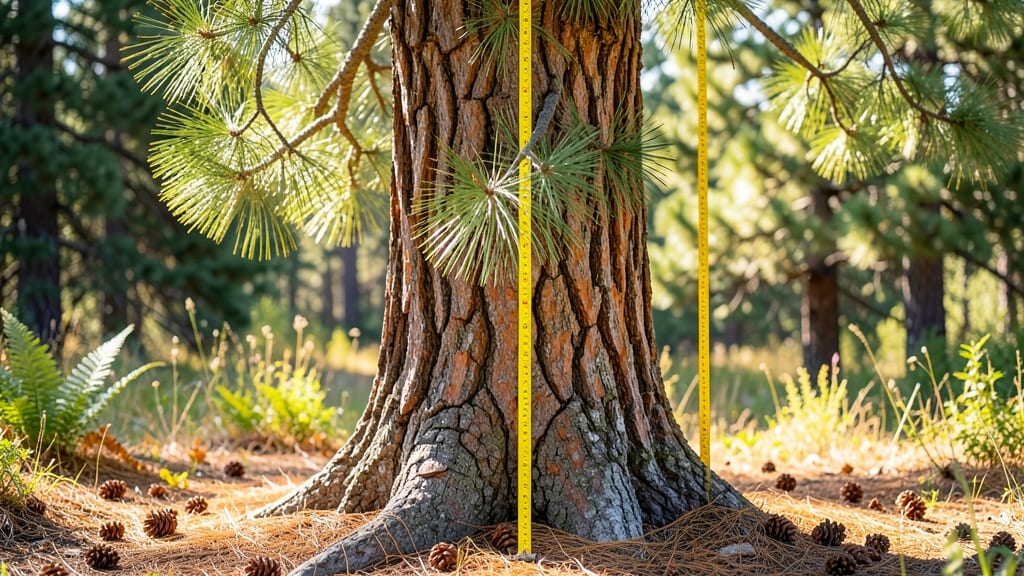
How tall a pine tree can grow depends wildly on the species—some stretching over 200 feet to dwarf even the tallest buildings, while others stay compact enough for suburban yards.
If you’ve ever marveled at towering pine forests or wondered whether a single pine tree in your backyard could one day scrape the sky, you’re not alone. Some pine species grow so tall they rival the world’s tallest buildings—while others stay modest in size.
But what determines their height, and which pines reach the sky the fastest?
From the fastest-growing varieties like the lodgepole pine to the record-breaking coastal redwood pine, each species has its own growth story. Climate, soil quality, and sunlight play starring roles, but even the right conditions can’t guarantee sky-high results without proper spacing and care.
Below, I break down the tallest pine species, their growth rates, and how you can encourage—or manage—extraordinary height in your own 🌲 backyard.

Tallest pine tree species: height records and sky-high limits
When I think of towering giants in the plant kingdom, my mind immediately jumps to the world’s tallest pine trees. These majestic conifers can reach heights that make skyscrapers look like shrubs.
The coastal redwood pine (Pinus attenuata) and ponderosa pine (Pinus ponderosa) are among the most impressive, with some specimens stretching over 200 feet tall. But what makes them grow so tall, and how can you encourage similar growth in your own backyard?
Tall pine trees thrive in specific conditions: coastal climates with mild winters, well-drained acidic soil, and full sunlight exposure.
The sugar pine (Pinus lambertiana), for example, can grow up to 220 feet in ideal conditions, while the lodgepole pine (Pinus contorta) typically stays under 100 feet. The difference in height comes down to genetics, environmental factors, and even elevation.
Here’s a comparison of the tallest pine species, their maximum recorded heights, and the conditions that help them reach their sky-high potential:
The sugar pine holds the record for the tallest pine tree ever measured, with a 220-foot specimen in California’s Sierra Nevada mountains. This species thrives in high-elevation forests where cool temperatures and deep, well-drained soil allow it to stretch toward the sky.
In contrast, the eastern white pine grows more slowly but can still reach 120 feet in ideal conditions, making it a popular choice for home landscapes in the northeastern U.S.
One common misconception is that all pine trees grow at the same rate. In reality, coastal pines like the sugar pine and ponderosa pine grow faster in height than their inland counterparts.
For example, a ponderosa pine in Arizona can add 1-2 feet per year in its youth, while a lodgepole pine in the Rockies might only gain 0.3-0.8 feet annually. This difference is largely due to climate and soil quality.
If you’re dreaming of growing a towering pine in your yard, focus on soil acidity (pH 4.5-6.0), full sunlight exposure, and adequate spacing between trees. Planting too closely can stunt growth as trees compete for nutrients and water.
For example, ponderosa pines need at least 30 feet of space to reach their full potential height.
Another critical factor is elevation. High-altitude pines, like those in the Sierra Nevada, grow taller because cooler temperatures slow metabolic processes, allowing the
Fastest-growing pine trees: which species reach heights quickly?
When most people think of pine tree growth, they picture slow, steady increments over decades. But some species defy expectations by shooting upward at remarkable speeds—especially in ideal conditions.
The lodgepole pine and slash pine are prime examples, capable of adding 2-3 feet per year in their youth, while others like the jack pine may not seem as fast but still outpace many hardwoods.
Understanding these growth rates helps gardeners and land managers plan for space, light, and long-term care.
What makes these pines grow so quickly? It’s a mix of genetics, climate, and soil conditions.
For instance, slash pines thrive in warm, humid climates where they can reach 60-80 feet in just 20 years, while lodgepole pines in cooler regions may take slightly longer but still grow faster than oaks or maples.
The key is matching the right species to your USDA hardiness zone and providing the conditions they crave.
One common misconception is that all fast-growing pines become giants. In reality, many dwarf varieties (like Mugo Pine) grow slowly but stay compact. Even among tall species, growth slows dramatically after 20-30 years.
For example, a slash pine might grow 3 feet per year for the first decade but only 6-12 inches annually afterward. This natural slowdown is why reforestation projects often prioritize young trees for quick canopy cover.
To maximize growth in your own yard, focus on three critical factors: sunlight, soil drainage, and spacing. Pines need full sun (6+ hours daily) and acidic, well-draining soil (pH 4.5-6.0).
Plant saplings 6-10 feet apart to reduce competition, and avoid over-fertilizing—too much nitrogen can weaken wood and attract pests. In my own garden, I’ve seen lodgepole pines double their height in just 5 years when given these ideal conditions.
For reforestation projects, fast-growing species like slash pine or shortleaf pine are excellent choices. They provide quick erosion control and wildlife habitat while maturing. However, always check local regulations—some areas restrict planting invasive species like lodgepole pine outside their native range.
A quick call to your extension office can save you from costly mistakes.
If you’re dreaming of a sky-high pine in your backyard, start with a young sapling and give it the care it needs. With patience and the right species, you could see 50-foot growth in just 20 years—no skyscraper required!
Just remember: the fastest growth happens in the first decade, so act now before your pine starts slowing down. 🌲