
Container Gardens
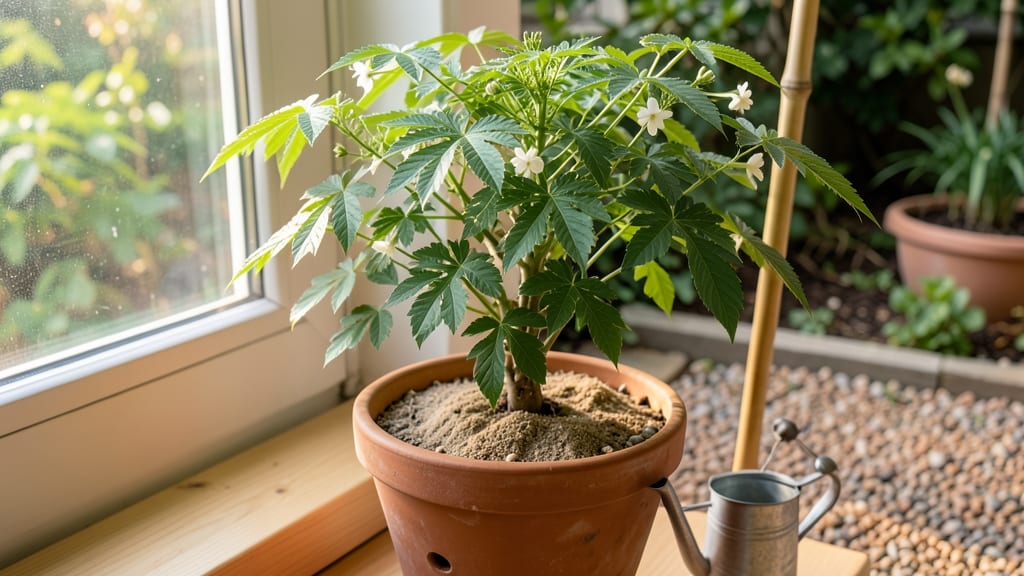
Your kitchen counter could be growing a fast-germinating superfood in just 6 weeks—moringa trees thrive in pots and pack more nutrients than kale. 🌱 I’ve grown mine from seed to harvest in small spaces, and the key is mimicking their native tropical conditions without overcomplicating things.
The secret isn’t expensive gear—it’s the right 5-7 gallon pot, well-draining soil, and bright indirect light. Most people overwater, but moringa roots hate soggy soil. A simple moisture test with your finger keeps them happy while they shoot up 3-5 feet in their first season.
By week 6, you’ll be harvesting leaves packed with 7x the vitamin C of oranges and 4x the calcium of milk. The plants stay productive for years if you prune them back regularly—no fancy skills needed, just consistent care. Works for balconies, patios, or even sunny windowsills.
Here’s how to set yours up without the guesswork!
📚 In This Guide
- What you need
- Instructions
- Tips and common mistakes
- Wrapping up and next steps
What you need
- ● Moringa seeds: 3–5 high-quality, organic moringa seeds (look for Moringa oleifera varieties).
- ● Pot: A 5–7 gallon container (minimum 12 inches deep) with drainage holes. Terracotta or fabric pots work best.
- ● Well-draining potting mix: A blend of cactus/succulent mix (60%) + perlite/vermiculite (30%) + compost (10%). Avoid heavy garden soil!
- ● Drainage tray or saucer: To catch excess water and prevent root rot.
- ● Watering can or spray bottle: For gentle hydration (especially during germination).
- ○ Grow lights (optional but helpful): A full-spectrum LED grow light (12–16 hours/day) if natural light is <10 hours/day.
- ● Fertilizer: A balanced liquid fertilizer (10-10-10) or organic options like fish emulsion or worm castings (diluted to half-strength).
- ● Seedling heat mat (75–85°F) to speed up germination (especially in cool climates).
- ● Humidity dome or plastic wrap to retain moisture during sprouting.
- ● pH test kit (ideal soil pH: 6.0–7.0).
- ● Pruning shears for harvesting leaves and shaping the tree.
- ● Support stake (if growing tall varieties in pots).
Step-by-step instructions for growing a moringa tree in a pot
Here's how to turn those fast-sprouting moringa seeds into thriving potted trees in just six weeks.
🌱 Step 1: Soak and Plant Seeds in Well-Draining Mix
Moringa seeds need a quick start, so begin by soaking them overnight in lukewarm water. The outer shell is tough, and this softens it considerably—you'll see the seed coat split within hours. Use a 4-inch diameter pot filled with a mix of 50% cactus/succulent mix and 50% perlite for that critical fast-draining quality moringa roots demand.
Plant 2-3 seeds per pot at a depth of just ¼ inch—deeper planting delays germination, and moringa seeds won't tolerate it. Space them evenly around the pot's edge. Press lightly but don't compact the mix; moringa roots need air pockets to establish quickly. Water gently until the surface feels moist but not soggy.
💧 Step 2: Maintain High Humidity and Warmth for Germination
Cover the pot with clear plastic wrap to create a mini greenhouse effect—moringa seeds germinate best at 75-85°F with 80% humidity. Place the pot in a warm spot, like on top of your refrigerator or near a heat vent. You'll see first sprouts in 3-5 days, though some may take up to 7 days if your home runs cooler.
Remove the plastic cover the moment you see the first green shoot—trapped moisture after germination invites fungal issues. Water lightly every 2-3 days, keeping the soil evenly moist but never waterlogged. Overwatering at this stage is the fastest way to lose seedlings before they even grow leaves.
☀️ Step 3: Provide Bright, Indirect Light Immediately
Once seedlings emerge, move them to bright, indirect light—a south-facing window works, but direct midday sun can scorch tender leaves. If your light is weak, supplement with a grow light positioned 6 inches above the pot for 12-14 hours daily. You'll notice first true leaves (not the initial seed leaves) appear in 2-3 weeks—this is your cue that roots are establishing.
Rotate the pot quarter-turn weekly to prevent leggy growth toward the light source. Moringa trees grow fast, but poor light causes weak stems that snap easily. When seedlings reach 3-4 inches tall, thin to the strongest plant per pot, cutting others at the base with clean scissors.
🪴 Step 4: Fertilize and Repot for Continued Growth
At the 4-week mark, when your moringa has 4-6 true leaves, switch to a 6-inch pot with fresh well-draining potting mix. Moringa trees are heavy feeders, so use a balanced 10-10-10 fertilizer diluted to half-strength every 2 weeks. You'll see new growth within 10 days—this is your signal the plant is thriving.
Water deeply when the top inch of soil feels dry, but avoid letting the pot sit in standing water. Moringa roots rot quickly in soggy conditions. By 6 weeks, your tree should be 12-18 inches tall with a sturdy trunk—ready for harvesting young leaves or transplanting outdoors in warm climates.
✂️ Step 5: Prune and Harvest for Ongoing Productivity
Moringa trees grow aggressively, so prune back by ⅓ when they reach 2 feet tall to encourage bushier growth. Harvest young leaves (the first 4-6 inches of new growth) by cutting just above a leaf node—this stimulates more branching. You'll get multiple harvests per season if you maintain this pruning schedule.
Here's the thing—moringa leaves lose nutrients quickly after picking. Use them within 24 hours of harvest for maximum nutritional value. If your tree flowers, remove the blooms unless you want seeds; the plant focuses energy on leaves when unburdened by fruit production.
Tips & tricks for growing a moringa tree in a pot
Here's what nobody tells you about growing moringa fast—these tricks cut weeks off your timeline.
Soaking Secret: The overnight soak in lukewarm water isn't just about softening the seed coat—it also helps flush out any potential fungal spores that might lurk on the shell. I like to add a drop of hydrogen peroxide to the soaking water (just enough to lightly bubble) for extra protection against mold. This step is non-negotiable for those 3-5 days to first sprouts we're aiming for.
Lighting Strategy: That 12-14 hours of grow light makes all the difference when natural light is weak. I've found LED grow lights with a full spectrum (especially red and blue wavelengths) work best for moringa. Position it 6 inches above the pot and adjust as your tree grows—moringa leaves will tell you when they're happy (bright green) or stressed (yellowing or stretching).
Pruning Hack: When you prune back by ⅓ at the 2-foot mark, don't just cut randomly. Look for branches growing inward or crossing—remove those first. This creates better air circulation and prevents future fungal issues. The pruned leaves make excellent compost, so don't toss them!
Pro Tips for Growing A Moringa Tree In A Pot
- Here's what nobody tells you about growing moringa fast—these tricks cut weeks off your timeline.
- Soaking Secret: The overnight soak in lukewarm water isn't just about softening the seed coat—it also helps flush out any potential fungal spores that might lurk on the shell.
- Lighting Strategy: That 12-14 hours of grow light makes all the difference when natural light is weak.
Frequently asked questions
Got questions about growing moringa in pots?
You’re not alone! Here are answers to the most common concerns—so you can grow this nutrient-packed superfood with confidence.
How deep should the pot be for a moringa tree?
A moringa tree thrives in 12–18 inches of soil depth to support its deep roots. Use a pot with drainage holes and at least a 12-inch diameter for mature plants. Smaller pots work for seedlings but may require repotting as the tree grows. Pro tip: If space is tight, opt for a fabric grow bag—it’s breathable and mimics natural soil conditions!
How long does it take for moringa to grow in a pot?
Moringa is a fast grower! You’ll see sprouts in 5–7 days and harvestable leaves in just 6–8 weeks with proper care. However, full maturity (ready for heavy pruning/harvesting) takes 6–12 months. Fun fact: It can grow up to 10 feet tall in a pot if pruned regularly!
Can moringa survive winter in a pot?
Moringa is tropical and not frost-tolerant, so if temps drop below 30°F (-1°C), move it indoors near a sunny window or use a grow light. In mild winters, wrap the pot in bubble wrap or use a frost cloth. Warning: Cold stress can stunt growth—keep it cozy!
What if my moringa leaves turn yellow?
Yellow leaves usually signal overwatering, poor drainage, or nutrient deficiency. Let the top inch of soil dry out between waterings, and ensure your pot has drainage holes. Yellowing from the bottom up? It’s likely root rot—repot in fresh, well-draining soil. Upper leaves yellow? Add a balanced fertilizer (like 10-10-10) every 4–6 weeks.
Can I grow moringa indoors without sunlight?
Moringa needs 6+ hours of sunlight daily, but you can supplement with a grow light (LED or fluorescent) 12–16 hours/day if natural light is limited. Place the pot 6–12 inches from the light to avoid leggy growth. Bonus: Rotate the pot weekly for even growth!
What’s the best fertilizer for potted moringa?
Use a light, organic fertilizer like compost tea, worm castings, or a balanced NPK (10-10-10) mix every 4–6 weeks during growing season. Avoid heavy nitrogen—it promotes leafy growth but reduces nutrient density. Pro tip: Moringa is nitrogen-efficient; over-fertilizing can harm it!
Wrapping up and next steps
Growing a moringa tree in a pot is a rewarding and fast way to bring a nutrient-packed superfood into your home—no yard required! 🌱 With just a few simple steps and a little patience, you’ll have fresh leaves ready in as little as 6 weeks.
Whether you’re a beginner or a seasoned gardener, this project is accessible and packed with potential.
Now that you’re ready to start, take the next step—grab your seeds, pick a sunny spot, and watch your moringa thrive! Once your plant is growing strong, share your harvest with friends or experiment with recipes to unlock its full potential. Happy growing! 🌿✨