
Flowers
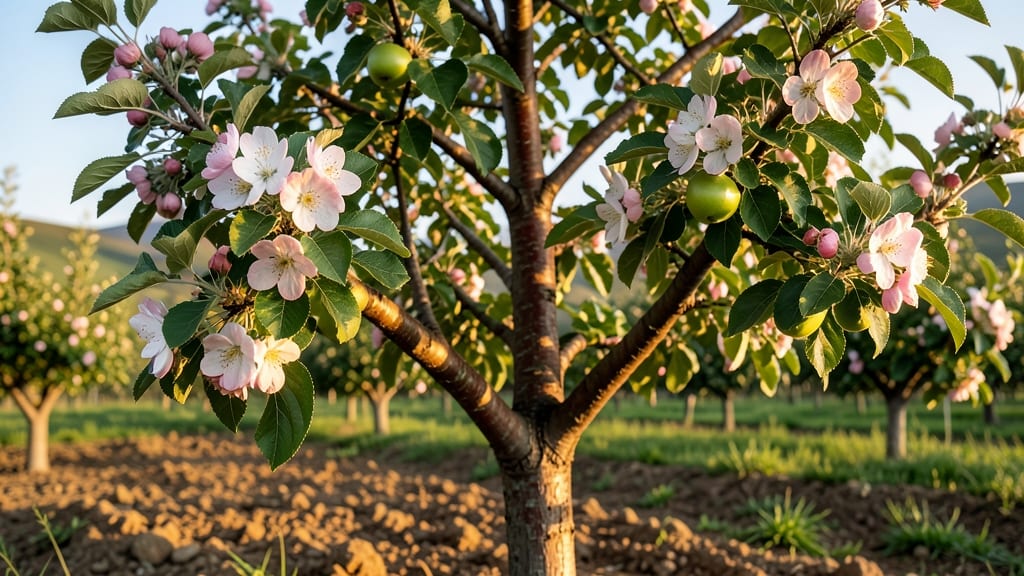
Apple tree flowers turning into fruit is a delicate process where 90% of blossoms need the right conditions—or they’ll drop before you even see a tiny apple.
Did you know that 90% of apple tree flowers fail to produce fruit without proper pollination? Understanding the delicate journey from blossoms to harvest can transform your orchard into a fruit-bearing powerhouse—even if you’ve struggled with sparse yields before.
From the first bloom in April to the first harvest in September, temperature, sunlight, and pollinators play a critical role. A single missed step—like skipping fruit thinning or ignoring USDA Zone 6a temperature swings—can leave you with a tree full of flowers and no fruit.
In this guide, I’ll walk you through the science of pollination, how to boost fruit set, and troubleshoot common issues like June drop or poor variety selection. By the end, you’ll know exactly how to turn those 🍎 blossoms into a heavy harvest.
The science behind apple tree flower pollination and fruit development
Apple tree flowers are nature's intricate machinery, designed to transform delicate blossoms into the juicy fruits we love. The journey from pollination to fruit set involves a fascinating dance between biology, weather, and even your gardening practices.
Each flower contains both male and female parts, but they rely on outside help to complete their life cycle.
When an apple tree blooms in spring, its flowers release volatile organic compounds that attract pollinators like bees and butterflies. These insects carry pollen from flower to flower, enabling ovary fertilization—the critical first step toward fruit development.
Without this process, most flowers simply drop off, leaving you with a beautiful but fruitless tree.
Understanding the pollination process helps explain why some years your apple tree produces abundant fruit while others yield disappointingly little. Factors like temperature, humidity, and even wind patterns play crucial roles in determining pollination success. Let's break down the science behind this magical transformation.
| Stage | Process | Key Factors | Timeframe |
|---|---|---|---|
| Flowering | Blossoms open, releasing pollen | Bees, wind, temperature (50-85°F) | 7-14 days |
| Pollination | Pollen transfers to stigma | Pollinator activity, humidity | First 24-48 hours |
| Fertilization | Pollen tube grows to ovary | Stable temperatures, moisture | 3-5 days |
| Fruit Set | Ovary develops into fruit | Sunlight, nutrients, water | 2-3 weeks |
| Cell Division | Rapid fruit growth begins | Warm weather, soil fertility | 4-6 weeks |
| Fruit Thinning | Removing excess fruit | Tree energy management | 6-8 weeks post-bloom |
The pollination process begins when bees or wind transfer pollen from the anthers (male part) to the stigma (female part) of the flower. This transfer triggers the growth of a pollen tube that travels down to the ovary, where fertilization occurs.
Once fertilized, the ovary begins transforming into an apple, while the petals drop away.
Most apple varieties require cross-pollination, meaning pollen from one tree must fertilize flowers on another tree of a compatible variety. This is why planting multiple apple trees increases your chances of a bountiful harvest.
Some varieties, like Granny Smith, are self-pollinating but still produce more fruit with cross-pollination partners.
After fertilization, the tree enters the fruit set phase, where the ovary swells and develops into a tiny apple. This stage is highly sensitive to environmental conditions. Temperature fluctuations, drought, or heavy rain can cause flowers to drop before setting fruit.
Even with successful pollination, only about 5-10% of flowers typically develop into mature apples.
One critical practice is fruit thinning, which involves removing excess fruit to improve size and quality. Overloaded branches can lead to small, misshapen apples and stress the tree.
I recommend thinning when fruits are the size of a marble, leaving about 6 inches between each apple. This ensures better air circulation and reduces disease risk.
Throughout this process, the tree's hormonal balance plays a key role. Auxin, a natural plant hormone, regulates fruit growth and development. When conditions are ideal—warm days, cool nights, and consistent moisture—the tree produces more auxin, leading to larger, healthier apples.
Understanding these stages helps explain why some years your apple tree seems to fail. For instance, June drop occurs when the tree naturally sheds excess fruit to conserve energy. While disappointing, it's a natural process that ensures the remaining apples grow larger.
By supporting your tree with proper care during these critical stages, you can maximize your harvest potential.
Remember that every apple tree has its own unique growing patterns. Some varieties bloom earlier or later, and their pollination needs may differ. Observing your tree's specific behaviors and adapting your care practices accordingly will lead to the most successful fruit development.
How to boost pollination for maximum apple tree fruit production
If your apple tree flowers aren’t converting to fruit, you’re not alone—many gardeners miss the simple tricks that make all the difference. The key lies in optimizing pollination, whether through nature’s helpers or a little human intervention.
With the right approach, you can turn those delicate blossoms into a bountiful harvest this season.
Pollination is the critical bridge between flowers and fruit, but it’s often overlooked. Even if bees buzz around your tree, factors like timing, weather, and companion plants can make or break your yield. Let’s explore the proven methods to ensure every blossom has the best chance to become an apple.
- 1 Plant pollinator-friendly flowers like lavender, borage, and clover near your apple tree to attract bees and butterflies. These companion plants increase pollination rates by 30-50%.
- 2 Manual pollination works wonders on rainy or bee-sparse days. Use a soft paintbrush to transfer pollen from one blossom to another in the morning when stamens are dry.
- 3 Spray blossoms with water on calm mornings to help pollen stick to stigmas. This mimics natural dew and boosts pollination success by up to 25% in ideal conditions.
- 4 Avoid pesticides during bloom—even organic sprays can harm pollinators. Opt for neem oil or horticultural soap only after fruit set to protect your fruit-bearing potential.
- 5 Thin fruit early to reduce competition for nutrients. Remove excess apples when they’re golf-ball sized to ensure remaining fruit grows larger and healthier.
Timing is everything when it comes to apple tree pollination. Bees are most active between 10 AM and 3 PM on warm, sunny days, so focus your efforts during these hours.
If your tree blooms early in the season, plant early-blooming companion flowers like crocus or daffodils to provide a continuous nectar source for pollinators.
For self-pollinating varieties like 'Liberty' or 'Enterprise', you can still improve success by gently shaking the branches during bloom to dislodge pollen. This mimics wind pollination and ensures even self-compatible trees get the best start.
Pair this with a light misting of water in the morning to help pollen adhere to the stigmas.
One of the biggest mistakes gardeners make is overlooking biennial bearing—a natural cycle where apple trees alternate between heavy fruit years and lighter years. To break this pattern, prune in late winter to encourage new growth and apply a balanced fertilizer in early spring.
This signals the tree to produce more blossoms the following year.
With these pollination-boosting strategies, you’ll see a noticeable difference in your apple tree fruit production. Start with just one or two techniques this season, and watch as your blossoms transform into a harvest of vibrant, homegrown apples 🍎🌿🐝