
Pruning
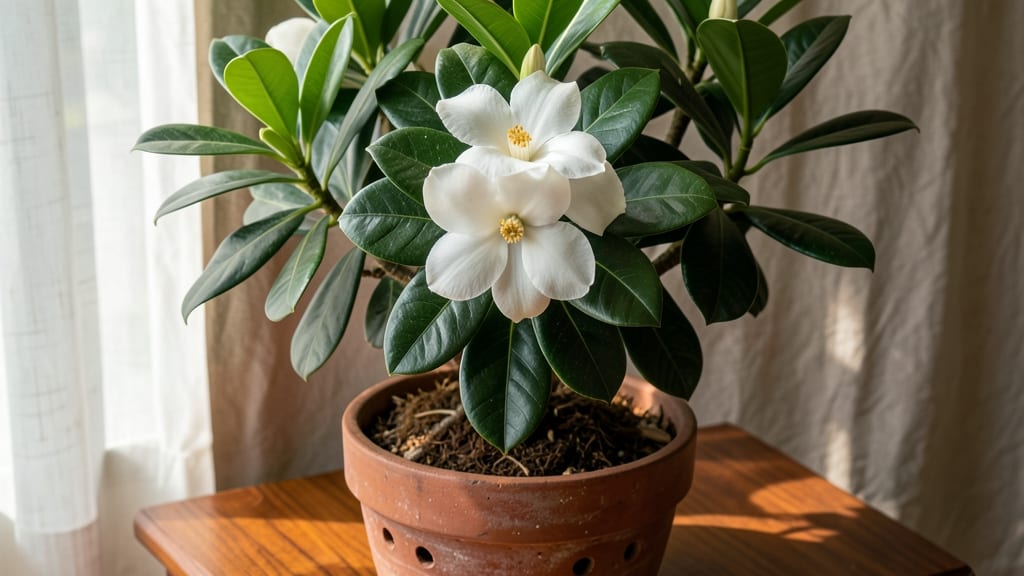
That first whiff of a gardenia tree in pot blooms on your balcony will make every pruning session worth it. 🌿 Growing a dwarf gardenia in a container isn't just about pretty flowers—it's about creating a fragrant little paradise that thrives in small spaces.
The key? Matching their tropical roots to your container setup, from soil to sunlight.
You'll need a pot with drainage, slightly acidic soil mix, and a spot that gets morning sun and afternoon shade. Most people overwater these beauties, but gardenias hate soggy roots—think of them more like a thirsty houseplant than a tropical tree.
With the right balance, you'll see those glossy leaves and intoxicating white blooms within a year.
Pruning after flowering keeps them compact and bushy, while regular feeding with acid-loving plant fertilizer ensures those blooms keep coming. Even in small pots, they can grow 3-5 feet tall with proper care, making them perfect balcony centerpieces that smell like summer all season.
Here's the secret: overwintering is simple if you move them indoors before frost. Just keep them near a bright window and reduce watering slightly. That first bloom in spring will make you forget all the fussy care—because nothing beats that gardenia perfume on a quiet evening.
📚 In This Guide
- What you need
- Instructions
- Tips and common mistakes
- Wrapping up and next steps
What you need
- ● Dwarf gardenia plant: Choose a healthy, potted gardenia (e.g., Gardenia jasminoides ‘Radicans’ or ‘Kleim’s Hardy’). Ensure it’s labeled as suitable for containers.
- ● Well-draining potting mix: 3–5 gallons of a blend designed for acid-loving plants (e.g., 50% peat moss, 30% pine bark, 20% perlite). 💡 Test your soil’s pH—gardenia thrives in 5.0–6.5!
- ● Pot: Minimum 12–15 inches in diameter (for dwarf varieties) with drainage holes.
- ● Material: Terracotta (preferred for breathability) or plastic (if you want to retain moisture longer).
- ● Slow-release fertilizer: A balanced, acid-loving plant fertilizer (e.g., 8-3-9 or 10-10-10) with micronutrients like iron and magnesium.
- ● Mulch: 1–2 inches of orchid bark or pine fines to retain moisture and acidity.
- ● Watering can with a rose attachment: For gentle, deep watering.
- ● Pruning shears: Bypass pruners (sharp, clean, and sterilized) for trimming.
- ● Gloves: Heavy-duty gardening gloves to protect from thorns and sap.
- ○ pH testing kit: Optional but helpful for monitoring soil acidity.
- ● Spray bottle with water: For misting leaves (especially in dry climates).
- ○ Support stake or trellis: Optional for dwarf varieties that may need light support as they grow.
- ● A sunny balcony or patio with at least 4–6 hours of direct sunlight daily.
- ● Access to a water source (gardenia hates soggy roots but loves consistent moisture).
- ● Patience! Dwarf gardenias may take 1–2 years to bloom fully in pots.
Step-by-Step instructions for growing a dwarf gardenia tree in a pot
Here's how to coax those fragrant blooms from your balcony gardenia—no green thumb required.
🪴 Step 1: Choose the Right Pot and Drainage
Start with a container at least 12 inches deep with drainage holes—gardenia roots hate soggy feet. I like glazed ceramic pots because they retain moisture while allowing airflow, but plastic works too if it has good drainage. Add a 2-inch layer of gravel or broken pottery at the bottom before filling with soil. This prevents root rot by keeping the roots above standing water.
If your pot lacks drainage, drill holes yourself—just don’t go bigger than ½ inch or the soil will dry out too fast. Here’s the thing: gardenias need moisture but despise wet roots. That gravel layer is your secret weapon against root rot.
🌱 Step 2: Use Acidic, Well-Draining Soil
Fill the pot with a mix of 50% peat moss or coconut coir, 30% perlite or pumice, and 20% high-quality potting soil. Gardenias crave acidic soil (pH 5.0–6.5)—regular garden soil is too alkaline and will stunt blooms. I add a handful of sulfur granules to the mix to keep the pH in check.
Moisten the soil until it’s damp but not dripping. Press it down lightly so the surface is firm—this helps young roots anchor. Don’t compact it too much, though, or you’ll suffocate those tender roots. Think "sponge-like" consistency: it should hold moisture but still let air circulate.
☀️ Step 3: Plant and Position for Bright, Indirect Light
Dig a hole in the center of the pot, gently remove the gardenia from its nursery container, and place it so the top of the root ball sits ½ inch below the rim. Fill around the roots with your acidic mix, pressing lightly to eliminate air pockets. Water deeply until it drains from the bottom.
Move your pot to a spot with morning sun and afternoon shade—direct afternoon rays scorch the leaves. A south- or east-facing balcony works best. If your gardenia starts dropping leaves, it’s getting too much sun. You’ll see happy, glossy foliage when the light is just right.
💧 Step 4: Water and Fertilize for Blooms
Water when the top inch of soil feels dry—stick your finger in to check. Gardenias need consistent moisture but hate soggy conditions. I water mine every 2–3 days in summer, less in winter. Always water at the base, not overhead, to prevent fungal diseases like powdery mildew.
Feed your gardenia every 4–6 weeks with an acid-loving plant fertilizer (look for one with high phosphorus for blooms). I mix in coffee grounds occasionally—they’re free, acidic, and packed with nutrients. Stop fertilizing in fall to let the plant rest before next year’s blooms.
✂️ Step 5: Prune and Encourage More Flowers
After blooms fade, trim spent flowers back to the nearest leaf or bud. This keeps the plant tidy and encourages new growth and more blooms. I also prune leggy branches in early spring to shape the tree and promote bushiness. Use clean, sharp pruners and make cuts just above a leaf node.
If your gardenia isn’t blooming, it might need more light or less water. Here’s the fix: move it to a sunnier spot and let the top 1–2 inches of soil dry out slightly between waterings. Patience is key—dwarf gardenias often take 1–2 years to reward you with fragrant blooms.
Tips & tricks for perfect dwarf gardenia tree care
Here's what nobody tells you about keeping your balcony gardenia thriving—and smelling amazing.
Drainage is Non-Negotiable: I learned this the hard way after losing two gardenias to root rot. That 2-inch gravel layer in Step 1 isn't optional—it's your first line of defense. If you're repurposing a decorative pot without drainage, consider nesting it inside a cache pot (a larger pot with drainage) to catch excess water. The goal is to keep roots dry while the soil stays moist. Think of it like a moisture balance scale: too much water on one side, dryness on the other.
Light Position Matters More Than You Think: In Step 3, that morning sun/afternoon shade recommendation is critical. I've seen gardenias get sunburned on south-facing balconies in summer—look for crispy brown edges on leaves as a warning sign. If you only have direct sun options, place your gardenia 3-4 feet from the window during peak afternoon hours. Pro tip: Rotate the pot every few weeks so all sides get even light exposure, which prevents lopsided growth.
Fertilizer Timing is Everything: The 4-6 week feeding schedule in Step 4 works wonders, but timing matters just as much as the product. Always fertilize in the morning so any excess nutrients have time to absorb before evening. I've noticed my gardenias bloom more prolifically when I start fertilizing in early spring (around March) and stop completely by October—this mimics their natural dormant period. And that coffee ground trick? Use it sparingly—too much can make the soil too acidic.
Pruning Secrets for More Blooms: When you're pruning in Step 5, don't just cut back dead flowers—look for those small buds forming at the base of spent blooms. Trim just above these buds to encourage new growth. I also prune any branches that are growing toward the center of the plant, as this opens up the center for better airflow and more sunlight penetration. Remember, you're not just cleaning up—you're shaping the plant's future blooming pattern.
Pro Tips for Gardenia Tree In Pot
- Here's what nobody tells you about keeping your balcony gardenia thriving—and smelling amazing.
- Drainage is Non-Negotiable: I learned this the hard way after losing two gardenias to root rot.
- Light Position Matters More Than You Think: In Step 3, that morning sun/afternoon shade recommendation is critical.
Frequently asked questions
How often should I prune my dwarf gardenia in a pot?
Prune your gardenia after flowering (late spring or early summer) to shape it and encourage new growth. Light trimming every 6–8 weeks helps maintain size, but avoid heavy cuts—gardenias respond best to minimal pruning. Use clean, sharp shears to prevent damage.
Why aren’t my potted gardenia leaves turning green?
Yellow or pale leaves often signal overwatering, poor drainage, or nutrient deficiency. Check the soil—it should be slightly moist but never soggy. Repot if roots are circling, and fertilize with acidic, iron-rich plant food every 4–6 weeks in spring/summer.
Can I grow a gardenia in a pot indoors year-round?
Yes! Gardenias thrive indoors with bright, indirect light (east or west-facing windows) and humidity (mist leaves or use a pebble tray). Keep temps between 60–75°F (15–24°C)—avoid drafts or cold windows. In winter, reduce watering but never let soil dry completely.
What’s the best potting mix for a gardenia tree in a pot?
Use a well-draining, acidic mix (pH 5.0–6.5). Combine:
- 50% peat moss or coconut coir (for acidity)
- 30% perlite or orchid bark (for aeration)
- 20% garden soil or compost (for nutrients)
How do I fix brown, crispy edges on gardenia leaves?
Crispy edges usually mean low humidity or underwatering. Increase humidity with a humidifier or group potted plants together. Water when the top inch of soil feels dry, and avoid tap water (use rainwater or distilled water to prevent salt buildup).
Are there dwarf gardenia alternatives with easier care?
If gardenias feel finicky, try:
- Jasminum polyanthum (hardy, fragrant, tolerates partial shade)
- Ixora ‘Compact Star’ (colorful blooms, thrives in pots)
- Abelia ‘Kaleidoscope’ (drought-tolerant, blooms spring–fall)
Wrapping up and next steps
Growing a gardenia tree in a pot—especially a dwarf variety—is a rewarding way to bring fragrant blooms to your balcony or patio!
With the right containers, soil, pruning techniques, and care, you’ll enjoy lush foliage and intoxicating flowers year after year. 🌸 Remember, patience and consistency are key, but the effort pays off in stunning, aromatic results.
Ready to transform your space? Start by reviewing your pruning schedule or perfecting your soil mix—then watch your garden thrive! Happy gardening! ✨