
Trees
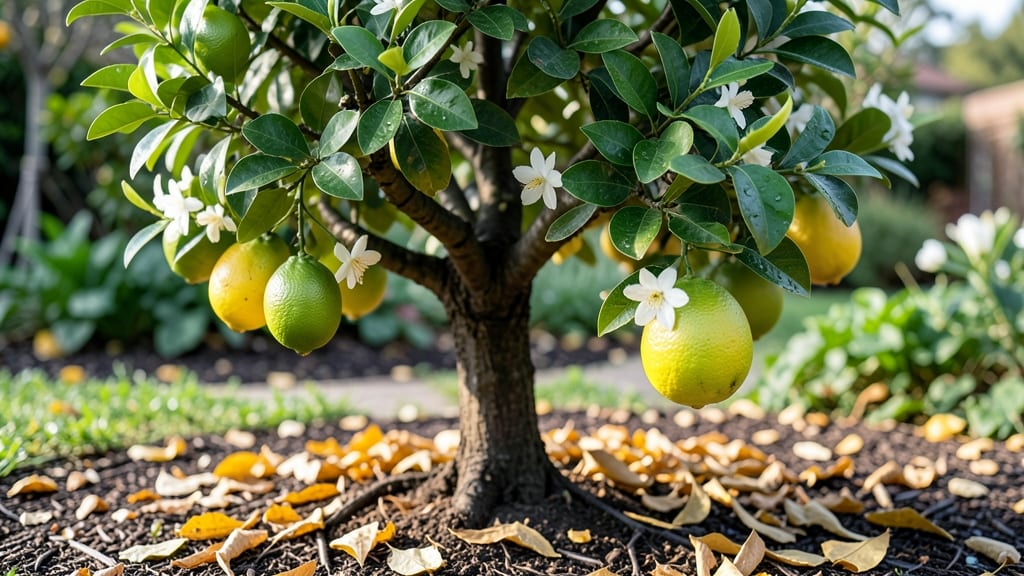
Your Meyer lemon tree dropping leaves isn’t a death sentence—it’s a call for action. 🌿 I’ve nursed back more than my share of these citrus casualties, and the fix usually comes down to water, roots, or pests.
The good news? Most cases turn around within 2-4 weeks with the right adjustments.
Overwatering drowns roots faster than you’d think, while underwatering causes crispy edges that fall like confetti. Then there are pests—spider mites and aphids love Meyer lemons—and nutrient deficiencies that starve the tree from the inside out.
I’ll walk you through how to diagnose each one with just your fingers and a quick inspection.
You’ll see new growth within 10-14 days if you catch it early. The key is adjusting watering, trimming damaged branches, and giving the tree a nutrient boost with the right fertilizer. Even if it’s been shedding for weeks, recovery is possible—just don’t wait to act.
Works for both potted and in-ground trees, and the same principles apply whether you’re in a warm climate or struggling with indoor winter care. Let’s get your lemon tree back to its vibrant, productive self.
Root Causes Of Leaf Loss
Understanding why your Meyer lemon tree is shedding leaves starts with identifying the primary stressors disrupting its health. These causes can be grouped into environmental, biological, or cultural factors—each triggering a unique response in the tree.
Below, we break down the most common culprits with clear explanations and actionable insights to help you diagnose the issue accurately.
Meyer lemon trees (Citrus × meyeri) thrive in USDA Hardiness Zones 9–11, where temperatures stay between 60–85°F (15–29°C).
When exposed to sudden cold snaps below 25°F (-4°C) or heatwaves above 95°F (35°C), the tree’s metabolic processes go into overdrive, leading to leaf abscission (premature leaf drop) as a survival mechanism.
- Cold Stress: Frost damages cell membranes in leaves, causing them to blacken and fall within days.
The tree prioritizes protecting its vascular system (xylem and phloem) over leaves, which are less critical for survival. - Heat Stress: High temperatures increase transpiration rates, drying out leaves faster than roots can replenish water.
This creates oxidative stress, triggering ethylene production—a plant hormone that signals leaf shedding.
💡 Pro Tip: If your tree is outdoors in a colder climate, mulch the root zone with 4–6 inches of organic matter (straw or wood chips) to insulate roots. For heatwaves, provide afternoon shade with a 50% shade cloth to reduce stress.
Meyer lemons are drought-tolerant but hate soggy roots. Both underwatering and overwatering disrupt nutrient uptake and oxygen flow, leading to leaf drop.
| Issue | Symptoms | Root Cause | Fix |
|---|---|---|---|
| Underwatering | Crispy, curling leaves; yellowing edges | Soil moisture drops below 30% at 2" depth | Water deeply 2–3x/week in dry climates; check soil moisture with a finger. |
| Overwatering | Yellowing leaves; mushy stems; root rot | Anaerobic soil (no oxygen) from excess water | Improve drainage with perlite or sand; repot if roots are waterlogged. |
| Inconsistent Watering | Uneven leaf drop; wilting in patches | Roots struggle to adapt to fluctuating moisture | Drip irrigation or self-watering pots for consistency. |
⚠️ Warning: Root rot (from overwatering) is fatal. If leaves turn yellow with brown, mushy stems, your tree may already be compromised—act fast by trimming affected roots and repotting in fresh, dry soil.
Meyer lemons love bright, indirect light but hate harsh afternoon sun in hot climates. Improper light exposure leads to photoinhibition (sunburn) or etiolation (weak, leggy growth).
- Too Much Sun:
- Leaves scorch (brown patches) or curl to reduce surface area.
- Solution: Move indoors near a south-facing window or use sheer curtains to diffuse light.
- Too Little Sun:
- Leaves yellow between veins (chlorosis) due to magnesium deficiency from poor photosynthesis.
- Solution: Place in 6+ hours of direct sunlight daily; supplement with a grow light if indoors.
🌿 Quick Fix: If your tree is outdoors, prune lower branches to improve airflow and gradually acclimate it to full sun over 2 weeks to avoid shock.
Pests sap nutrients from leaves, while diseases clog vascular pathways, forcing the tree to shed foliage as a defense.
Common Pests & Their Damage
- Spider Mites 🕷️:
- Symptoms: Tiny webs on undersides; speckled, bronze leaves.
- Why? They pierce cells, causing chlorophyll loss (yellowing).
- Fix: Spray with neem oil or water blast (miters hate humidity).
- Scale Insects 🐛:
- Symptoms: Sticky residue (honeydew); black sooty mold; wilting leaves.
- Why? They suffocate leaves with honeydew, blocking sunlight.
- Fix: Wipe off with soapy water or apply horticultural oil.
- Root-Knot Nematodes 🐍:
- Symptoms: Stunted growth; yellowing leaves (even with proper watering).
- Why? They damage roots, reducing water/nutrient uptake.
- Fix: Solarize soil (cover with plastic for 4–6 weeks) or plant nematode-resistant varieties.
Fungal & Bacterial Infections
- Citrus Canker 🍋:
- Symptoms: Raised, oozing lesions on leaves/stems.
- Why? Bacteria (Xanthomonas) block nutrient flow, causing leaf drop.
- Fix: Prune infected branches (sterilize tools with 70% alcohol); apply copper fungicide.
- Root Rot (Phytophthora) 🌱:
- Symptoms: Black, mushy roots; sudden wilting.
- Why? Fungus clogs roots, starving the tree.
- Fix: Repot in cactus/succulent mix (fast-draining); reduce watering.
🔥 Emergency Action: If pests/diseases are severe, isolate the tree to prevent spread and treat immediately—delaying can be fatal.
Meyer lemons are heavy feeders and require balanced nutrients for leaf retention. Deficiencies trigger chlorosis (yellowing) and premature leaf drop.
| Deficiency | Symptoms | Quick Fix |
|---|---|---|
| Nitrogen (N) | Yellowing older leaves (bottom-up) | Apply blood meal or fish emulsion. |
| Potassium (K) | Brown leaf edges; weak stems | Use kelp meal or Epsom salt (magnesium sulfate). |
| Magnesium (Mg) | Yellow between veins (interveinal) | Spray leaves with magnesium sulfate. |
| Iron (Fe) | Yellow new growth (top-down) | Acidify soil with citric acid or use chelated iron. |
💡 Pro Tip: Over-fertilizing can also cause leaf drop! Stick to a balanced 6-6-6 or 10-10-10 fertilizer every 4–6 weeks in growing season (spring–fall).
Even if your Meyer lemon is healthy, moving it (or disturbing roots) can cause stress-induced leaf drop. This happens because:
- Root damage reduces water/nutrient absorption.
- Trauma hormones (like abscisic acid) signal leaves to drop to conserve energy.
How to Minimize Shock: ✅ Repot only in spring (active growth phase). ✅ Use a pot 1–2 inches larger than the current one. ✅ Water thoroughly before moving to reduce root stress. ✅ Avoid full sun for 1–2 weeks post-transplant.
⚠️ Red Flag: If more than 30% of leaves drop within 2 weeks, your tree may be too stressed—consider delaying pruning until it recovers.
Quick Fixes for Meyer Lemon Tree
Reviving your Meyer lemon tree’s lush green canopy starts with identifying the root cause and taking targeted action. Whether it’s environmental stress, pests, or poor care, these practical solutions will help your tree bounce back—plus, we’ll share prevention tips to keep those leaves where they belong!
Let’s get your citrus queen thriving again.
Signs: Yellowing leaves, soggy soil, or roots sitting in water.
How to Fix It: 🔥 Step 1: Check the Soil Use your finger to test moisture 2–3 inches deep. If it’s damp, hold off on watering for a few days. Meyer lemons hate "wet feet"—their roots need good airflow to avoid rot.
🍳 Step 2: Improve Drainage If your pot lacks drainage holes, repot immediately into a container with 3–4 drainage holes (or drill them yourself!). For in-ground trees, consider raising the soil level with compost or sand to prevent water pooling.
👨🍳 Step 3: Adjust Your Watering Routine - Potted trees: Water only when the top 1–2 inches of soil are dry (usually 2–3 times per week in summer, less in winter). - In-ground trees: Water deeply but infrequently (1–2 times per week, depending on climate).
Use a soaker hose to avoid wetting leaves (which attracts fungal diseases). - Pro tip: 💡 Mulch around the base (2–3 inches of wood chips or straw) to retain moisture without suffocating roots.
🥘 Step 4: Repot if Necessary If roots are circling or the soil is compacted, repot into a slightly larger container (just 1–2 inches wider) with well-draining citrus mix (50% potting soil, 30% perlite, 20% compost).
Prevent Relapse: ✨ Use a moisture meter to avoid guesswork. ✨ Never let the tree sit in saucers of water—empty them after watering.
Signs: Brown, crispy edges; leaves wilting in afternoon heat; sunburn spots.
How to Fix It: 🔥 Step 1: Gradually Acclimate If your Meyer lemon is new to outdoor conditions, harden it off over 7–10 days by moving it to partial shade (50% sun) before full exposure.
🍳 Step 2: Provide Afternoon Shade Meyer lemons thrive in morning sun + afternoon shade, especially in hot climates (Zones 9–11). Use a light shade cloth (30–50%) or move potted trees to a covered patio during peak heat (12–4 PM).
👨🍳 Step 3: Hydrate Strategically
- Water deeply in the morning to reduce evaporation.
- Mist leaves lightly on scorching days (but avoid evening misting to prevent fungus).
- Pro tip: 🌡️ Use a fan near the tree for 10–15 minutes daily to mimic breeze and reduce heat stress.
🥘 Step 4: Protect Young Trees Wrap the trunk in burlap or use a tree guard to shield it from sun scald (common in winter/summer extremes).
Prevent Relapse: ✨ Monitor leaf color—if edges turn brown, it’s a sign of too much sun. ✨ Rotate potted trees weekly for even sun exposure.
Signs: Sticky residue (aphids), chewed leaves (mites), or white webbing (scale).
How to Fix It: 🔥 Step 1: Identify the Culprit
- Aphids/Scale: Tiny bugs clustered on new growth.
- Spider Mites: Fine webbing on undersides of leaves.
- Root Mealybugs: Cottony white puffs at the soil line.
🍳 Step 2: Manual Removal (Best for Small Infestations)
- Spray with soapy water (1 tsp mild dish soap + 1 quart water) and scrub leaves with a soft brush.
- For scale: Use a toothpick dipped in rubbing alcohol to scrape them off.
👨🍳 Step 3: Natural Pesticides
- Neem oil spray (1 tbsp neem oil + 1 tsp mild soap + 1 quart water). Reapply every 5–7 days for 2 weeks.
- Horticultural oil (for stubborn pests like mealybugs).
- Pro tip: 🎯 Release ladybugs or lacewings (natural predators) if mites/aphids return.
🥘 Step 4: Systemic Treatment (Severe Cases)
- Imidacloprid granules (mixed into soil) for root-feeding pests.
- Follow label instructions—overuse can harm beneficial insects.
Prevent Relapse: ✨ Inspect leaves weekly (especially undersides). ✨ Keep ants away (they "farm" pests like mealybugs)—use diatomaceous earth around the base.
Signs: Sudden leaf drop after cold snaps, frost damage (black/brown patches), or windburn (tattered edges).
How to Fix It: 🔥 Step 1: Protect from Cold
- Potted trees: Move to a garage or sheltered porch if temps drop below 30°F (-1°C).
- In-ground trees: Wrap the trunk in bubble wrap or frost cloth and mulch heavily (4–6 inches).
🍳 Step 2: Shield from Wind
- Stake young trees and use tree ties to prevent whipping.
- Place potted trees near a wall or fence to block gusts.
👨🍳 Step 3: Recover Damaged Leaves
- Trim dead/brown leaves with sterilized pruners (dip in rubbing alcohol).
- Avoid pruning in frost—wait until new growth appears.
🥘 Step 4: Gradual Transition
- Acclimate potted trees back to outdoor conditions over 1–2 weeks after cold snaps.
- Pro tip: 💡 Use a heat lamp near the base on extremely cold nights (for potted trees).
Prevent Relapse: ✨ Choose a microclimate—plant near a south-facing wall or under eaves. ✨ Use a frost blanket in late fall/early spring.
Signs: Yellowing between leaf veins (iron/chlorosis), stunted growth, or purplish stems (phosphorus).
How to Fix It: 🔥 Step 1: Soil Test First
- DIY test: Use a citrus-specific soil test kit (available at garden centers).
- Signs of deficiency:
- Yellow leaves? → Iron or nitrogen (most common).
- Purple stems? → Phosphorus.
- Brown spots? → Magnesium or potassium.
🍳 Step 2: Amend the Soil
- For potted trees: Repot with citrus potting mix (add chelated iron if chlorosis is severe).
- For in-ground trees: Top-dress with compost and Epsom salt (magnesium sulfate) for yellowing.
👨🍳 Step 3: Fertilize Smartly
- Spring/Fall: Use a balanced citrus fertilizer (6-6-6 or 8-3-9) every 4–6 weeks.
- Summer: Switch to a low-nitrogen, high-potassium fertilizer (5-10-10) to boost root strength.
- Pro tip: 📊 Follow the label—over-fertilizing burns roots!
🥘 Step 4: Foliar Sprays for Quick Fixes
- Iron deficiency? → Sequestered iron spray (applied every 2 weeks).
- Zinc/manganese? → Use a chelated micronutrient spray.
**Pre
Frequently asked questions about Meyer lemon tree leaf drop
Why are my Meyer lemon tree leaves turning yellow before falling?
Yellowing before leaf drop usually signals nutrient deficiencies or overwatering. Check the pattern: yellowing between veins suggests magnesium deficiency (Epsom salt spray helps), while yellowing at leaf edges often means potassium deficiency or root stress from soggy soil. Adjust watering immediately—Meyer lemons prefer slightly dry soil between waterings.
Can I save my Meyer lemon tree if it's already dropped most of its leaves?
Yes! With proper care, trees can recover even after heavy leaf drop. First, check roots for rot (healthy roots are white/firm). Then adjust watering, provide afternoon shade, and fertilize with balanced citrus food. New growth should appear within 2-4 weeks if the root system is intact. Avoid fertilizing if roots show signs of rot.
How often should I water my Meyer lemon tree to prevent leaf drop?
Water when the top 1-2 inches of soil are dry—typically 2-3 times per week in summer and once weekly in winter. Use your finger to test moisture: if it feels damp 2 inches down, wait another day. Potted trees need more frequent watering than in-ground plants. Always ensure pots have drainage holes to prevent root rot.
Are there any common pests that specifically target Meyer lemon trees?
Yes—watch for spider mites (tiny webs on undersides), scale insects (sticky residue), and aphids (clusters on new growth). These pests suck sap, causing leaves to yellow and drop. Treat with neem oil spray or soapy water (1 tsp mild soap per quart of water). For severe infestations, isolate the tree and apply horticultural oil.
Can I prune my Meyer lemon tree when it's dropping leaves?
Only prune dead or severely damaged branches—never healthy growth. Wait until new leaves appear (spring) for major pruning. Remove only brown, crispy, or pest-infested leaves now. Sterilize your pruners with rubbing alcohol between cuts to prevent disease spread. Avoid heavy pruning during leaf drop as it stresses the tree further.