
Pruning
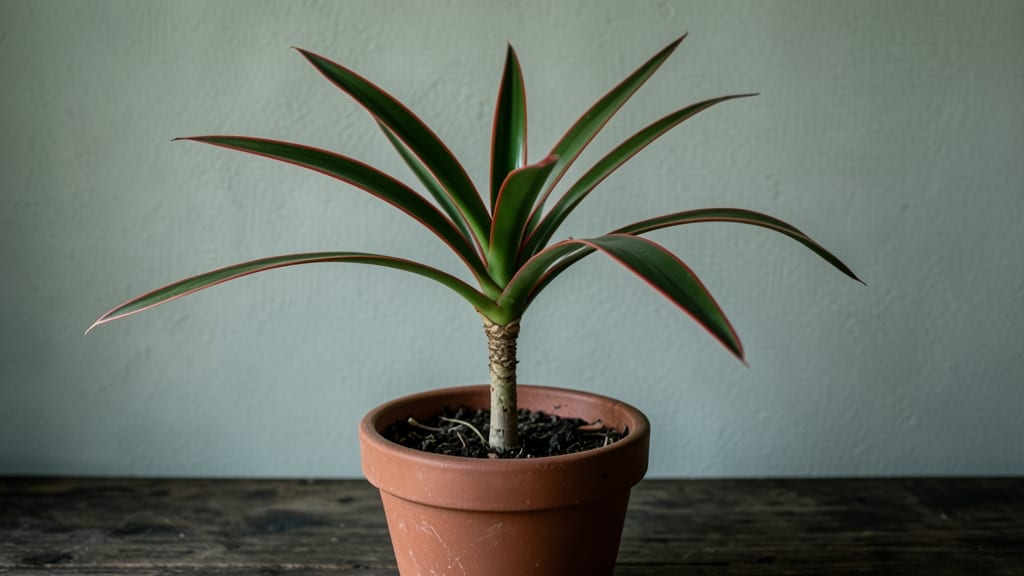
Growing a dragon tree sprout into a striking houseplant starts with the right conditions. 🌿 My first attempt nearly died from overwatering, but I learned the simple tricks that keep these plants thriving year-round—no green thumb required.
The secret lies in mimicking its natural habitat: bright, indirect light, well-draining soil, and occasional misting. You’ll need a small pot with drainage holes, a mix of potting soil and perlite, and patience—these plants grow slowly but steadily. Within a year, you’ll see those iconic arching branches develop.
By the time your dragon tree reaches 2-3 feet, it’ll be a conversation piece with minimal effort. The key is avoiding soggy soil and sudden temperature swings—once you nail those, the plant practically takes care of itself. Yellowing leaves? That’s your cue to adjust watering.
Works beautifully in offices, bathrooms, or sunrooms where humidity stays moderate. Here’s how to keep it lush without the fuss—no special equipment needed, just consistent care.
📚 In This Guide
- What you need
- Instructions
- Tips and common mistakes
- Wrapping up and next steps
What you need
- ● Dragon tree cutting or seed: For cuttings: A 4–6-inch healthy stem (with at least 2–3 nodes) from a mature dragon tree. Use clean, sharp pruners to avoid crushing the stem.
- ● For seeds: Fresh or store-bought dragon tree seeds (if available—note: germination can be slow!).
- ● Potting mix: 1 part cactus/succulent soil + 1 part perlite or pumice (for drainage). Avoid heavy garden soil—dragon trees hate soggy roots!
- ● Pot or container: For cuttings: A 4–6 inch pot with drainage holes (plastic or terracotta).
- ● For seeds: A small seed tray or 2–3 inch pots (they’ll need repotting later).
- ○ Rooting hormone (optional but helpful): A small tube or powder to boost root growth on cuttings.
- ● Spray bottle: For misting cuttings or seeds to maintain humidity.
- ● Drainage tray or saucer: To catch excess water and prevent root rot.
- ● Pruning shears or knife: Sterilized with rubbing alcohol for clean cuts.
- ● Light: Bright, indirect light (east or west-facing window). Avoid harsh midday sun.
- ● Temperature: Keep between 65–75°F (18–24°C). Dragon trees dislike cold drafts!
- ● Patience: Cuttings take 4–8 weeks to root; seeds can take months to germinate.
- ● Watering routine: Let the top 1–2 inches of soil dry out between waterings (overwatering is the #1 killer!).
- ● A humidity dome or plastic bag to create a mini greenhouse for cuttings.
- ● Grow lights if natural light is limited (LED full-spectrum bulbs work great).
- ● Fertilizer (diluted houseplant fertilizer) once roots establish (after 2–3 months).
- ● Decorative stones or moss to enhance the pot’s aesthetic (once your sprout is thriving!).
How to grow a thriving dragon tree sprout indoors
Here’s how to coax vibrant growth from your dragon tree—no green thumb required.
🌱 Step 1: Select and Prepare the Right Container
Dragon trees (Dracaena marginata) thrive in containers with drainage. Choose a pot just 2-3 inches wider than the root ball to prevent overcrowding. Terra cotta works best—it breathes and wicks away excess moisture, which this drought-tolerant plant appreciates. Skip the decorative cachepot for now; let the roots breathe.
Fill the bottom 1 inch with orchid bark or perlite for drainage. This prevents soggy roots, which cause yellowing leaves—a common rookie mistake. Tap the pot gently to settle the layer without compacting it. You’ll see the bark fluff up slightly once watered.
☀️ Step 2: Use Well-Draining Soil and Position for Bright, Indirect Light
Mix 2 parts potting soil with 1 part perlite or coarse sand for aeration. Dragon trees hate soggy feet, so this blend prevents root rot. Moisten the mix until it’s damp but not dripping—think of a wrung-out sponge. Press it lightly into the pot, leaving a ½-inch gap at the rim for watering.
Place your sprout in a spot with bright, indirect light—think east-facing windows or 6 feet from a south-facing window. Direct sun scorches the leaves, while dim corners cause leggy growth. You’ll spot ideal placement when new leaves unfurl with their signature red-edged pattern without browning.
💧 Step 3: Water Deeply but Infrequently
Let the top 1-2 inches of soil dry out before watering—stick your finger in to check. When it feels dry, water slowly until liquid drains from the bottom. Empty the saucer after 10 minutes to avoid root suffocation. Overwatering is the #1 killer of dragon trees; yellow leaves signal you’re drowning the roots.
Mist the leaves weekly to replicate humidity, but avoid soggy soil. Dust the foliage with a damp cloth monthly—you’ll notice the leaves glisten with new life after cleaning. This plant’s low-maintenance reputation comes from its resilience, not neglect.
✂️ Step 4: Prune and Fertilize for Bushier Growth
Trim leggy stems just above a leaf node to encourage branching. Use clean, sharp scissors to avoid tearing. You’ll see new shoots emerge from the cut within 4-6 weeks—this is how dragon trees fill out their iconic layered look. Never prune more than ⅓ of the plant at once.
Feed with a balanced liquid fertilizer (10-10-10) every 6-8 weeks during spring and summer. Cut back to monthly in winter when growth slows. Dilute fertilizer to ½ strength—stronger concentrations burn roots. You’ll know it’s working when leaves stay vibrant and new growth appears.
🪴 Step 5: Rotate and Repot for Long-Term Health
Turn the pot ¼ turn weekly so the plant grows evenly toward the light. You’ll spot uneven growth as leaves leaning one direction—this is your cue to adjust. Dragon trees grow 12-18 inches per year, so repot into a 2-inch larger container every 2-3 years or when roots circle the pot.
Spring is the best time to repot. Gently tease apart roots if they’re tightly bound and refresh the soil mix. After repotting, water lightly and place in bright, indirect light for a week to reduce stress. Your dragon tree will reward you with bold, healthy foliage for years with minimal effort.
Tips & tricks for thriving dragon tree sprouts
These insider tips will help you avoid common pitfalls and maximize your dragon tree's potential for lush, year-round growth.
Drainage Layer Matters: In Step 1, don't skimp on that 1-inch drainage layer of orchid bark or perlite. I've seen too many dragon trees suffer from yellowing leaves because owners skipped this step. If you're using a decorative cachepot, make sure it has drainage holes—otherwise, excess moisture will sit at the bottom and suffocate the roots. Pro tip: Use slightly larger pieces of bark for better airflow at the base.
Soil Mix Precision: When creating your 2:1 ratio of potting soil to perlite/sand in Step 2, resist the urge to substitute regular garden soil. The extra nutrients can burn your dragon tree's sensitive roots. Instead, consider adding a handful of worm castings to the mix for natural nutrients without the risk. This plant thrives on minimalism—don't overcomplicate its diet.
Light Positioning Secret: For Step 2's bright, indirect light placement, I recommend testing three locations before committing. Move your sprout each morning for a week to observe leaf development. You'll notice the perfect spot when new leaves emerge with crisp red edges rather than browned tips. North-facing windows often work better than expected—just keep it 3-4 feet from the glass.
Watering Technique: The 10-minute drainage rule in Step 3 is non-negotiable. After watering, place your pot on a towel to catch any excess moisture that might seep out after the initial 10 minutes. I've found that dragon trees actually prefer their soil to dry out completely between waterings—this prevents the fungal issues that cause those dreaded brown leaf tips.
Pro Tips for Dragon Tree Sprout
- These insider tips will help you avoid common pitfalls and maximize your dragon tree's potential for lush, year-round growth.
- Drainage Layer Matters: In Step 1, don't skimp on that 1-inch drainage layer of orchid bark or perlite.
- Soil Mix Precision: When creating your 2:1 ratio of potting soil to perlite/sand in Step 2, resist the urge to substitute regular garden soil.
Frequently asked questions
Got questions about nurturing your dragon tree sprout (Dracaena marginata)? You’re not alone! Here are answers to the most common queries to keep your plant thriving with minimal fuss.
How often should I water my dragon tree sprout?
Water your dragon tree sprout only when the top 1-2 inches of soil feel dry—usually every 2-3 weeks. Overwatering is the #1 killer! These plants store water in their stems, so they’re drought-tolerant. Pro tip: Stick your finger in the soil to check moisture levels instead of guessing.
When is the best time to prune my dragon tree sprout?
Prune anytime, but spring or early summer is ideal for encouraging new growth. Trim leggy stems just above a leaf node (where leaves grow) to propagate cuttings or shape the plant. Avoid heavy pruning in winter, as growth slows. Bonus: Pruned cuttings root easily in water!
Can I grow a dragon tree sprout from a cutting?
Yes
. Snip a 4-6 inch stem (just below a leaf node), remove lower leaves, and place it in water or moist soil. Keep it in bright, indirect light and mist occasionally. Roots should appear in 4-6 weeks. No rooting hormone needed!
Why are the tips of my dragon tree sprout turning brown?
Brown tips usually mean underwatering or fluoride/chlorine in tap water. Try these fixes:
- Water deeply but less often (let soil dry out completely between waterings).
- Use filtered or distilled water to avoid chemical buildup.
- Trim the brown tips with clean scissors to encourage new growth.
If the issue persists, check for low humidity—mist occasionally or place a pebble tray nearby.
How much light does a dragon tree sprout need?
Dragon trees thrive in bright, indirect light (like near an east or north-facing window). They tolerate low light but may grow slower. Avoid direct sun, which can scorch leaves. Yellowing leaves? Move it to a brighter spot—it’s likely light-deprived!
What’s the ideal temperature for a dragon tree sprout?
Keep your plant in 65–80°F (18–27°C)—standard room temps work perfectly. Avoid drafts (like AC vents or cold windows) and temperatures below 50°F (10°C), which can shock the plant. Fun fact: They’re great for offices with fluctuating temps!
Wrapping up and next steps
Growing a thriving dragon tree sprout is all about patience, the right techniques, and a little creativity! With the right pruning hacks and low-maintenance care, you can enjoy lush, vibrant foliage year-round—even in tricky conditions.
Whether you’re trimming for shape, propagating new plants, or simply encouraging healthy growth, these strategies make it easier than ever.
Now that you’re armed with the know-how, why not take the next step? Try experimenting with a propagation project using your pruned cuttings—you might just unlock a whole new green thumb adventure! 🌱✨