
Pruning
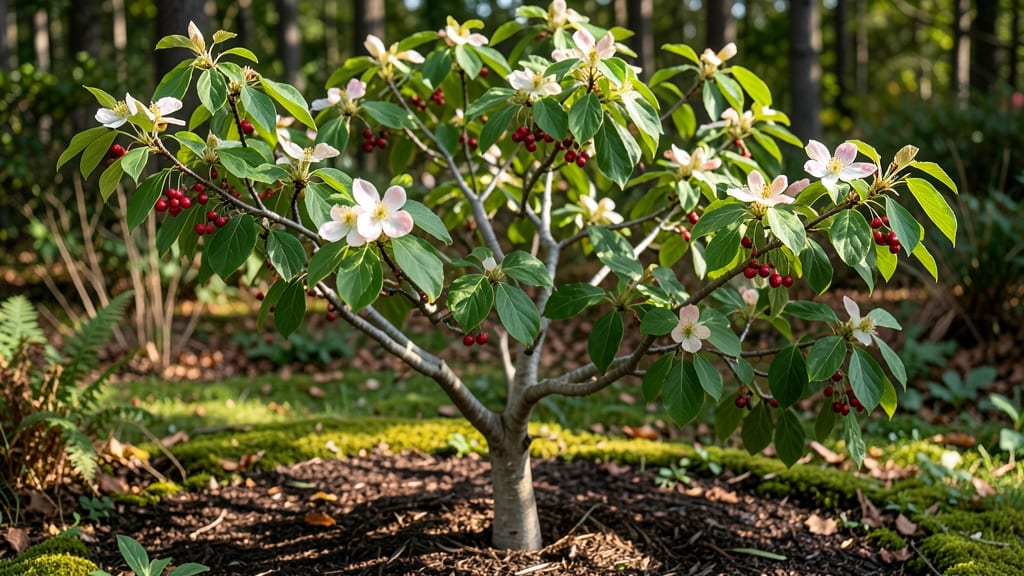
Your dogwood tree’s vibrant green leaves are its crowning glory, and pruning isn’t just about shape—it’s about keeping that lush color all year. 🌿 I’ve learned the hard way that cutting at the wrong time can turn those rich leaves dull or even cause stress, but a simple seasonal calendar makes all the difference.
Dogwoods thrive with morning sun and afternoon shade, well-draining soil, and consistent moisture—but even the best conditions can fade without proper pruning. The key is timing: late winter to early spring (before buds swell) for structural cuts, and light trims in summer to encourage dense foliage.
Over-pruning or wrong-season cuts starve the tree of energy, leading to weak growth and that dreaded yellowing.
By following this calendar, you’ll see darker, thicker leaves by summer and fewer pests or diseases creeping in. The tree stays fuller, blooms brighter, and recovers faster after winter. Think of it as a spa day for your dogwood—less stress, more color.
Works for both flowering and ornamental varieties, and adapts to urban or woodland settings. Let’s get that foliage popping year-round!
📚 In This Guide
- What you need
- Instructions
- Tips and common mistakes
- Wrapping up and next steps
What you need
- ● Pruning shears: Bypass pruners (for cuts up to ½ inch in diameter) – 1 pair
- ● Loppers: For thicker branches (up to 2 inches) – 1 pair
- ● Pruning saw: For larger branches (2+ inches) – 1 (hand saw or folding pruning saw)
- ● Gloves: Heavy-duty gardening gloves (cut-resistant recommended) – 1 pair
- ● Disinfectant: 70% isopropyl alcohol or bleach solution (1 part bleach to 9 parts water) – small bottle or spray
- ○ Sealing wax: Pruning sealant (optional but helpful for large cuts) – small tub
- ● Ladder: Sturdy, extendable ladder (if tree is over 6 feet tall) – 1
- ● Trash bags: Heavy-duty bags for debris – 2-3
- ● Notebook & pen: To track pruning notes or mark branches for future reference – 1
- ● Pole pruner: For high branches without a ladder – 1
- ● Tree bag: For collecting large branches – 1-2
- ● Safety glasses: To protect eyes from debris – 1 pair
- ● Knee pads: For comfort during ground-level pruning – 1 pair
- ● Tree growth regulator: (e.g., hydrogen dioxide) for post-pruning care – as needed
Step-by-Step guide to year-long dogwood tree pruning for vibrant foliage
Your dogwood’s lush green canopy depends on strategic pruning—here’s how to time each cut for maximum color and health.
✂️ Step 1: Late Winter Pruning (February-March) for Structural Balance
This is the most critical window for shaping your dogwood. Wait until after the last frost but before new growth begins—typically February to early March in most climates. I always check for bud swell first; if you see tight, plump buds, it’s time. Remove any dead, diseased, or crossing branches first—they’re easy to spot against the dormant tree.
Focus on opening the canopy by thinning branches from the center outward. Dogwoods hate crowded growth, and removing 20-30% of the oldest branches encourages fresh, vibrant foliage. Use clean, sharp pruners to make cuts just outside the branch collar—the swollen area where the branch meets the trunk. This ensures rapid healing and prevents unsightly stubs that can rot.
🌿 Step 2: Light Summer Trimming (June-July) for Foliage Density
Mid-summer is about maintenance, not major structural changes. Wait until after the first flush of new growth but before August heat stress sets in. Look for branches that are growing too vigorously or those that spoil the tree’s natural shape. I target branches that are longer than 12 inches but growing inward or downward—they’ll compete with others for sunlight and nutrients.
Make your cuts just above a leaf node where new growth can emerge. Avoid cutting back more than 25% of any branch’s length in summer—dogwoods are sensitive to heavy pruning when they’re pushing new leaves. After trimming, I always water deeply to help the tree recover faster from the minor stress.
🍂 Step 3: Fall Cleanup (October-November) for Winter Preparation
Fall pruning is all about tidying up and preventing winter damage. Start after leaf drop but before hard frosts—typically late October to November. Remove any branches that died during the summer or show signs of disease, like blackened leaves or oozing sap. These branches are prime candidates for fungal infections if left on the tree over winter.
I also check for any "water sprouts"—those fast-growing, vertical shoots that pop up after heavy pruning. Snip them off at the base; they drain energy from the main structure. Avoid heavy pruning now, but you can lightly shape the outer edges to maintain the tree’s silhouette. This keeps the dogwood’s energy focused on root development rather than new top growth.
⏰ Step 4: Minimal Winter Checks (December-February) for Safety
Winter is for observation, not pruning. However, I make one exception: removing any branches that look cracked, split, or broken by ice or snow. Use pruners to cleanly remove damaged sections just as you would in summer. This prevents further injury and keeps the tree’s structure intact for spring.
While checking, I also look for signs of pests or disease—like holes in the bark or unusual mold growth. If you find anything, note it for early spring action. Dogwoods are resilient, but winter stress makes them more vulnerable. A light application of dormant oil spray (if recommended for your region) can help protect against overwintering pests without harming the tree.
Tips & tricks for perfect dogwood tree green pruning
Mastering the art of seasonal dogwood pruning transforms a good tree into a showstopper. Here’s how to elevate your technique beyond basic cuts.
Timing is Everything: For late winter pruning (February to early March), I can’t stress enough how critical it is to wait for bud swell—those tight, plump buds signal the tree is ready. If you prune too early, you risk encouraging new growth that frost can damage. In Step 1, when you’re removing 20-30% of oldest branches, focus on the center first. This opens the canopy to sunlight, which is key for vibrant foliage. I’ve seen dogwoods with dense centers that never get enough light, leading to sparse leaves.
Precision Cuts for Healthier Growth: The branch collar technique in Step 1 isn’t just about looks—it’s about healing. When you make cuts just outside that swollen area where the branch meets the trunk, you’re giving the tree the best chance to seal itself properly. I’ve made the mistake of cutting too close to the trunk, and those wounds never healed right. Also, for summer trimming (Step 2), always cut just above a leaf node—this ensures new growth emerges in the right spot. Avoid cutting more than 25% of any branch’s length; dogwoods are sensitive, and over-pruning stresses them during their growth phase.
Seasonal Maintenance Secrets: Fall cleanup (Step 3) is where I catch most issues before winter. Water sprouts—those fast-growing vertical shoots—are energy vampires. Snipping them at the base redirects that energy to the main structure. And here’s a pro move: after pruning, give your dogwood a deep watering. It helps the tree recover faster from the minor stress of trimming. In winter (Step 4), I always check for ice damage—those cracked branches need immediate removal to prevent further harm.
Pro Tips for Dogwood Tree Green
- Mastering the art of seasonal dogwood pruning transforms a good tree into a showstopper.
- Timing is Everything: For late winter pruning (February to early March), I can’t stress enough how critical it is to wait for bud swell—those tight, plump buds signal the tree is ready.
- Precision Cuts for Healthier Growth: The branch collar technique in Step 1 isn’t just about looks—it’s about healing.
Frequently asked questions
Got questions about keeping your dogwood tree green and vibrant through seasonal pruning? You’re in the right place! Here are some of the most common queries—plus straightforward answers to help you maintain a healthy, lush tree year-round.
When is the best time to prune a dogwood tree for year-round green foliage?
The ideal time to prune dogwood trees is late winter to early spring (just before buds swell) or summer after flowering. Avoid heavy pruning in fall or winter, as it can stress the tree and reduce its ability to stay green. Light shaping in summer promotes new growth and keeps foliage vibrant.
How much can I trim a dogwood tree without harming it?
Dogwood trees are resilient, but avoid removing more than 25-30% of the canopy in a single season. Over-pruning weakens the tree and can lead to sparse or yellowing foliage. For mature trees, spread pruning over 2-3 years if major reshaping is needed. Always use clean, sharp tools to prevent disease.
Why is my dogwood tree losing its green color, even after pruning?
Yellowing or dull green leaves could signal underwatering, overwatering, or nutrient deficiencies. Dogwoods thrive in moist, well-draining soil—check for soggy roots or dry patches. Iron chlorosis (yellowing between veins) is common in alkaline soils; amend with iron supplements or organic matter. Pests like scale or fungal issues (e.g., anthracnose) can also cause discoloration.
Can I prune a dogwood tree in fall, or will it affect next year’s green growth?
Fall pruning is not recommended for dogwoods, as it exposes fresh cuts to fungal diseases and winter stress. If you must prune in late fall, do so only for safety reasons (e.g., removing dead branches) and avoid heavy cuts. For best results, wait until early spring when the tree is actively growing again.
Are there alternative trees to dogwood that stay green longer with minimal pruning?
If you’re looking for low-maintenance, evergreen alternatives, consider serviceberry, oakleaf hydrangea, or Japanese maple. For year-round color with minimal pruning, holly trees or boxwood shrubs are great choices. However, dogwoods (especially Cornus florida) offer stunning spring blooms and vibrant fall foliage—worth the seasonal effort!
How do I tell the difference between healthy green leaves and signs of disease?
| Healthy Leaves | Diseased/Stressed Leaves |
|---|---|
| Deep, glossy green; firm texture | Yellowing, wilting, or brown spots (fungal issues) |
| Even color; no holes or discoloration | Holes (insect damage) or black veins (anthracnose) |
| Slightly curled edges (normal in heat) | Severely curled, crispy, or dropping prematurely (drought/overwatering) |
When in doubt, prune only the affected branches and treat with fungicide if needed. Monitor the tree for 2-3 weeks to track changes.
Wrapping up and next steps
Your dogwood tree’s vibrant green foliage is a year-round treasure, and with the right seasonal pruning, it’ll thrive for decades to come! 🌿 By following this trim-by-season calendar, you’ll keep your tree healthy, encourage lush blooms, and maintain that picturesque green canopy—all while avoiding common pitfalls.
Whether you’re a pruning pro or a curious beginner, every snip brings you closer to a stunning, flourishing tree.
Now that you’re armed with the when, why, and how, grab those shears and get started! Next, plan your first trim—spring is the perfect time to kick off the season with confidence. Happy pruning! ✂️