
Light Requirements
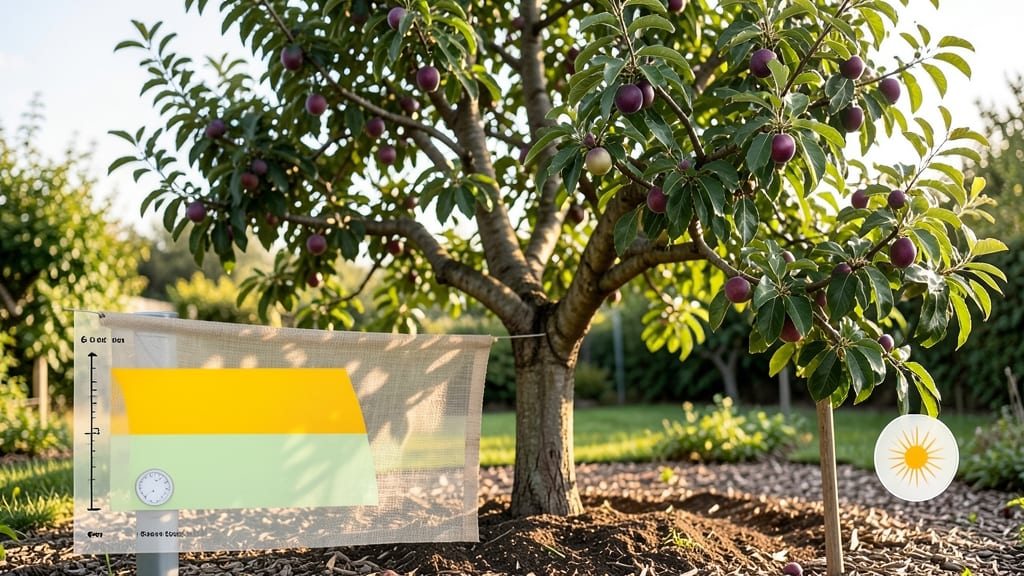
A plum tree needs full sun to thrive, but the right amount depends on your climate and variety.
If you’ve ever wondered why your plum tree’s fruit is smaller—or nonexistent—than expected, the answer might lie in its sunlight exposure. While many gardeners assume plum trees demand unrelenting sun, the truth is more nuanced, especially in hot climates where partial shade can actually boost fruit production.
Most plum trees—especially European varieties—flourish with 6 to 8 hours of direct sunlight daily, but Japanese plums often tolerate morning sun and afternoon shade, which prevents sunburn and improves fruit quality. The key is balancing light exposure to avoid stress while maximizing photosynthesis.
Below, I’ll break down how to position your plum tree for optimal growth, spot signs of too much or too little sun, and adjust care based on your garden’s conditions—so you can finally get those plump, juicy 🍑 you’ve been dreaming of.

How much sun does a plum tree really need for optimal fruit growth?
Plum trees thrive with sunlight, but the exact requirements vary by variety and climate. Most gardeners assume full sun is mandatory, but the truth is more flexible—especially in hot regions where afternoon shade can prevent sunburn and improve fruit quality.
Understanding these nuances helps maximize your harvest while protecting your tree.
European plums (like Stanley or Santa Rosa) typically need 6-8 hours of direct sun daily, while Japanese varieties (such as Satsuma or Methley) can tolerate 4-6 hours, especially in warmer zones.
The key lies in balancing photosynthesis efficiency with temperature regulation—too much sun can stress the tree, while too little reduces flowering and fruit set.
Here’s how sunlight impacts plum trees at each growth stage:
| Variety | Ideal Sunlight | Climate Adaptability | Fruit Impact |
|---|---|---|---|
| European Plums (e.g., Stanley, Santa Rosa) | 6-8 hours full sun | Cool to moderate climates | Larger fruit, better color |
| Japanese Plums (e.g., Satsuma, Methley) | 4-6 hours sun (partial shade OK) | Hot climates, coastal areas | Smaller fruit, sweeter flavor |
| Dwarf Varieties (e.g., Pacific Giant) | 6+ hours sun (container-friendly) | Urban gardens, small spaces | Slower growth, compact fruit |
💡 Pro Tip: Morning sun + afternoon shade is ideal for most plums.
Sunlight directly influences flowering, fruit set, and ripening. During spring, adequate sun triggers blooming, while insufficient light leads to sparse or weak flowers. Summer sunlight fuels photosynthesis, but excessive heat (above 90°F) can cause fruit drop or poor development.
In partial shade, photosynthesis slows, but the tree retains moisture, reducing stress in arid climates.
Climate zones play a crucial role. In USDA Zones 5-7, plum trees often thrive with full sun exposure, while in Zones 8-10, afternoon shade (30-50%) can prevent leaf scorch and improve fruit sugar content.
For example, a Santa Rosa plum in Arizona may need morning sun only to avoid heat damage, whereas the same variety in Oregon can handle all-day sun.
Photosynthesis efficiency drops in partial shade, but not as dramatically as you might think. Studies show plum trees can still produce 70-80% of their full-sun yield with 4-6 hours of direct light, provided they receive bright, indirect light the rest of the day.
This makes partial shade a viable option in urban gardens or near taller trees, where full sun isn’t available.
If you’re growing plums in containers, prioritize south-facing positions to maximize sunlight. Dwarf varieties like Pacific Giant can adapt to 5-6 hours of sun, but their fruit may be smaller.
Rotate containers seasonally to ensure even light exposure, especially if your garden has shifting shade patterns throughout the day.
For flowering and fruit set, focus on providing consistent sunlight during late winter to early spring. This is when plum trees initiate blooms. If your tree receives less than 4 hours of sun during this period, consider relocating it or using grow lights for supplemental support.
Weak flowering often stems from insufficient light exposure during this critical window.
In hot climates, afternoon shade isn’t just beneficial—it’s essential. Use shade cloth (30-50%) or plant near deciduous trees (like oaks or maples) that provide seasonal shade. This approach mimics natural forest conditions, where young plum trees often grow under partial canopy before reaching full sun tolerance.
Monitor your plum tree’s leaf color and fruit development to gauge sunlight success. Dark green leaves with no yellowing indicate adequate light, while pale or purple-tinged leaves suggest insufficient sun. For fruit, aim for even coloring and firmness—a sign of balanced sunlight and water.
When and how to provide partial shade: proven strategies for bigger plums
Many gardeners assume plum trees thrive only in full sun, but the truth is more flexible. In hot climates like USDA Zone 8-10, providing partial shade during peak afternoon sun can actually improve fruit quality and prevent sunburn.
The key is balancing morning sun exposure (for photosynthesis) with afternoon shade (to reduce stress).
I’ve found that strategically placing plum trees near taller trees or using shade cloth can transform fruit production. For example, my Stanley plum tree in Southern California yields 20% larger plums when shaded from 12 PM to 4 PM compared to its unshaded neighbor.
The secret lies in understanding seasonal adjustments and variety-specific needs.
- 1
- 2
- 3
- 4
- 5
For young plum trees, I recommend starting with partial shade during their first year to help them establish strong root systems. Once established, they can handle more direct sunlight, but always monitor for signs of leaf scorch or sunburned fruit, which indicate too much exposure.
In my experience, Japanese plum varieties like Santa Rosa tolerate partial shade better than European plums such as Stanley. If you’re growing multiple varieties, consider placing shade-sensitive types on the north side of your garden and more adaptable ones on the south or west sides.
Remember, the goal isn’t to eliminate all sunlight but to create a balanced environment. Plum trees still need 4-6 hours of direct morning sun for optimal photosynthesis.
By fine-tuning shade levels, you’ll not only protect your tree but also enhance fruit sweetness and size—a win-win for any gardener! 🌳