
Pruning
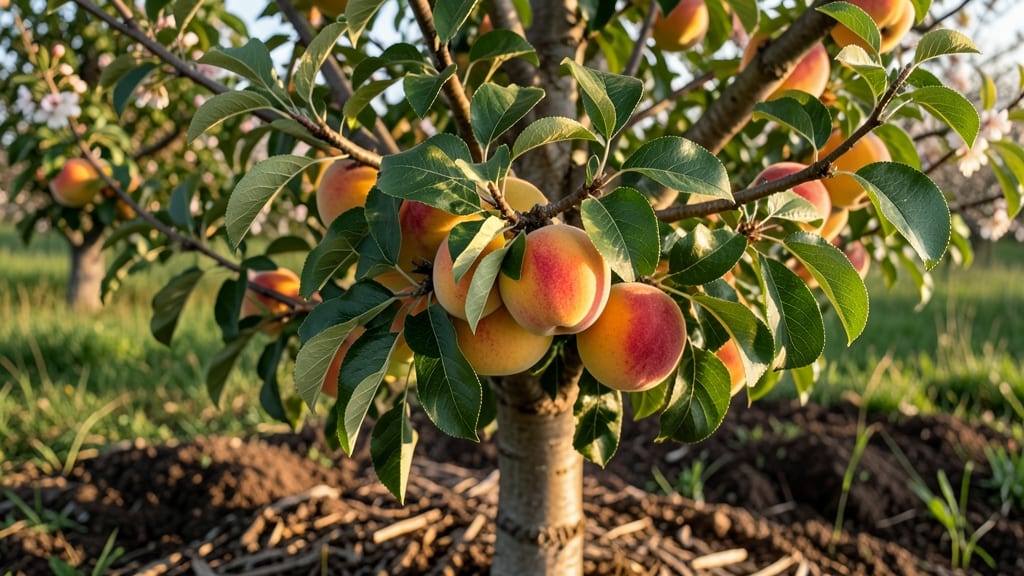
Your Bonfire peach tree fruit production could double—or vanish—depending on how you prune those branches.
If your 🍑 Bonfire peach tree isn’t delivering the sweet harvest you planted it for, the problem might be hiding in its structure, not its roots. Pruning isn’t just about shaping a pretty tree; it’s the game-changer for bigger, healthier fruit every season.
Think of it like giving your tree a spring tune-up—cutting out the right branches at the right time sends energy straight to where it matters most: your fruit.
Most gardeners skip pruning or do it at the wrong time, leaving their trees overcrowded and stressed. But with the right timing—late winter or early spring—and a few key cuts, you can transform a sparse harvest into a bounty.
I’ve seen Bonfire peach trees go from a handful of fruit to buckets of ripe peaches in just one season after a proper prune. The secret? Removing deadwood, thinning out crowded branches, and opening up the canopy so sunlight reaches every piece of fruit.
In this guide, I’ll walk you through the exact steps to prune your 🍑 Bonfire peach tree for maximum fruit production, including when to cut, what to look for, and how to avoid common mistakes that rob your tree of its potential.
By the end, you’ll know how to turn your peach tree into a fruit-producing powerhouse—no guesswork required.
The right time and technique for pruning Bonfire peach trees
Pruning your Bonfire peach tree at the right time can transform your harvest from a handful of fruit to a bountiful crop. Many gardeners make the mistake of pruning at the wrong season or using improper techniques, which can stress the tree and reduce fruit production.
The key lies in understanding when to prune and how to cut for maximum fruit-bearing potential.
For Bonfire peach trees, timing is everything. Pruning too late in spring can delay fruit set, while pruning too early in winter can expose the tree to cold damage. The optimal window is late winter to early spring, just before buds begin to swell but before new growth starts.
This timing ensures your tree enters the growing season with the energy to produce abundant, high-quality fruit.
Before you grab your pruners, it’s crucial to understand the three main goals of pruning: improving air circulation, removing dead or diseased wood, and opening the canopy to let sunlight reach the fruit-bearing branches.
Skipping these steps can lead to fungal issues, reduced fruit size, and lower yields. Let’s break down the exact steps to follow for a fruit-focused pruning session.
Step-by-Step Pruning Guide for Bonfire Peach Trees
-
Step 1: Choose the Right Time
Prune in late winter (January-February) or early spring (March), before buds swell but after the worst cold snaps. Avoid pruning in fall or summer, as this can stress the tree and attract pests. -
Step 2: Gather Your Tools
Use sharp pruning shears for small branches and a pruning saw for thicker limbs. Sterilize tools with rubbing alcohol to prevent spreading disease. Wear gloves to protect against thorns. -
Step 3: Remove Dead or Diseased Wood
Cut out any dead branches (no green beneath the bark) or branches with fungal spots. These sap energy from the tree and can spread disease. Make cuts 1/4 inch above a bud or branch collar. -
Step 4: Thin Out Overcrowded Branches
Remove crossing branches and those growing inward. Aim for an open-center shape to allow sunlight and air to reach the center of the tree, where most fruit forms. -
Step 5: Shorten Overly Long Branches
Cut back suckers (shoots from the base) and water sprouts (vertical shoots). Shorten last year’s growth by 1/3 to 1/2 to encourage bushier, fruit-bearing branches. -
Step 6: Focus on Fruit-Zone Branches
Prioritize branches with fruit spurs (short, stubby branches). These are where Bonfire peach fruit develops. Avoid cutting these unless absolutely necessary, as they’re critical for production. -
Step 7: Clean Up and Dispose of Debris
Remove all pruned branches from the area to prevent disease spread. Dispose of diseased wood in a sealed bag, not in your compost pile. Rake up fallen leaves and debris around the tree’s base. -
Step 8: Apply a Thin Layer of Mulch
Spread 2-3 inches of mulch around the base (keep it 6 inches away from the trunk). Use organic mulch like wood chips or straw to retain moisture and regulate soil temperature.
One of the most common mistakes gardeners make is pruning at the wrong time of year. Pruning in late summer or fall can stimulate new growth that won’t harden off before winter, leaving your Bonfire peach tree vulnerable to cold damage.
Similarly, pruning too aggressively in early spring can delay fruit set, as the tree focuses energy on healing wounds instead of producing blossoms.
Another critical error is making improper cuts. Always cut just outside the branch collar (the swollen area where the branch meets the trunk) and avoid leaving stubs. Stubs can trap moisture and lead to rot or disease.
Use a clean, sharp tool to make smooth cuts at a 45-degree angle for branches thicker than 1 inch.
To maximize fruit production, aim to prune your Bonfire peach tree every year, even if it’s just light maintenance. Over time, this practice will create a strong, open canopy that produces larger, healthier fruit.
Keep an eye out for water sprouts and suckers throughout the growing season, as these can drain energy from your tree’s primary branches.
After pruning, monitor your tree closely for signs of stress, such as yellowing leaves or oozing sap. These can indicate over-pruning or disease. If you notice these symptoms, adjust your approach in the following year and consider applying a balanced fertilizer to help the tree recover.
With the right technique, your Bonfire peach tree will reward you with a bountiful harvest of sweet, juicy fruit year after year.
🍑
How to identify and remove problematic branches for maximum fruit
Your Bonfire peach tree thrives when energy flows to fruit production—not wasted on weak or competing growth. The key to bigger harvests lies in recognizing problematic branches that drain your tree’s resources. These include water sprouts, deadwood, and overcrowded limbs that block sunlight and air circulation.
By removing them strategically, you redirect energy to fruit-bearing branches, ensuring sweeter, more abundant peaches every season.
Start by inspecting your tree’s branch structure for signs of stress or inefficiency. Look for vertical shoots growing straight up—they’re often water sprouts, fast-growing but non-productive. These steal nutrients from fruit-producing wood and create weak points in the canopy.
Similarly, crossing branches rub against each other, creating wounds that invite pests and diseases, further reducing fruit yield.
⚠️ WARNING: Pruning Mistakes That Kill Fruit Production ⚠️
- Topping your tree: Cutting the main trunk or large branches stunts growth and invites rot. Always prune back to a bud or lateral branch.
- Removing too much at once: Never cut more than 25% of the canopy in a single season—this stresses the tree and reduces next year’s fruit.
- Ignoring suckers: These basal shoots grow from the rootstock and compete with the main tree for nutrients. Remove them at the base to prevent regrowth.
Deadwood is another silent thief of your peach tree’s productivity. Identify it by its brittle texture, lack of leaves, and dark, cracked bark. Dead branches not only waste energy but also create entry points for peach tree borers and fungal infections.
Use a sharp pruning saw to remove these limbs at the branch collar—the swollen area where the branch meets the trunk—to prevent infection.
Pay special attention to suckers and shoots growing from the graft union. These aggressive growths often appear at the base of the tree or below the graft line. While they may look vigorous, they divert energy away from fruit production.
Cut them off at the ground level to ensure they don’t regrow. For stubborn suckers, apply a copper-based fungicide to the cut to prevent disease.
Finally, prioritize thinning out crossing branches and limbs growing inward. These shade-prone branches produce fewer peaches because they receive less sunlight. Aim to create an open-centered canopy, allowing air to circulate and sunlight to reach the center of the tree.
This simple adjustment can double your fruit yield by encouraging stronger, healthier growth where it matters most.
With each cut, you’re not just shaping your Bonfire peach tree—you’re investing in next year’s harvest. Make pruning a seasonal habit, and watch as your tree rewards you with bigger, sweeter peaches year after year. 🍑