
Container Gardens
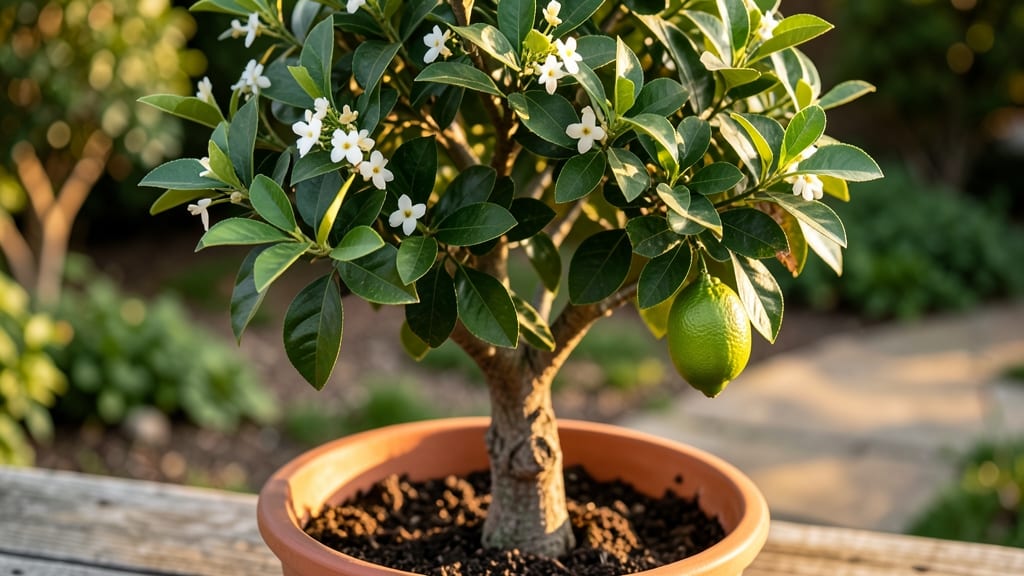
Yes, you can keep a lemon tree in a pot using dwarf varieties like Meyer or Improved Meyer, which thrive in containers with proper drainage, sunlight, and regular pruning to encourage fruiting and manage size.
Keeping a lemon tree in a pot is absolutely possible, especially with the right dwarf citrus varieties that naturally adapt to container life.
These compact trees—like the popular Meyer lemon—produce abundant fruit while staying manageable in sizes under 6 feet, making them perfect for patios, balconies, or even sunny windowsills. 🌱 The key lies in choosing a variety bred for containers, as their growth patterns are already suited to root restriction, which actually enhances fruit production compared to full-sized trees.
What makes this work so well is the tree's ability to focus its energy on fruiting rather than spreading roots. I've found that with proper care—including well-draining soil mixes and regular pruning—even indoor-grown lemon trees can yield 50-100 lemons per year.
The trade-off? You'll need to repot every 2-3 years to accommodate root growth and maintain overall health.
For those living in colder climates, overwintering becomes crucial. Most dwarf varieties tolerate temperatures down to 20°F when mature, but container-grown trees need protection from freezing winds and soil.
I've had great success moving my potted Meyer lemon indoors before the first frost, where it continues producing fruit year-round with supplemental grow lights.
💡 In This Article
- Best Dwarf Lemon Tree Varieties for Containers
- Container Care Guide for Healthy Potted Lemon Trees
Best dwarf lemon tree varieties for containers
Dwarf lemon trees thrive in pots because their genetic makeup naturally limits vertical growth while maintaining robust fruiting.
The Meyer lemon, for example, typically reaches 6-10 feet in the ground but stays between 4-6 feet in containers due to root restriction—a phenomenon called "pot-bound stress" that actually triggers more frequent flowering. 🌿 This variety produces sweeter, less acidic fruit than standard lemons, with a flavor profile similar to a cross between lemon and mandarin orange.
The Improved Meyer takes this a step further by offering even better cold tolerance (down to 20°F) while maintaining the same compact growth habit.
Another excellent choice is the Eureka lemon, which produces classic tart lemons but stays manageable at 5-8 feet in containers.
What sets this variety apart is its consistent fruiting—Eureka trees can produce 200-300 lemons annually when properly cared for, though container-grown specimens yield about 50-100 lemons due to limited root space.
The key difference between these varieties lies in their root systems: Meyer lemons develop fibrous roots that adapt well to small pots, while Eureka's taproot grows more slowly in containers, requiring deeper pots (18-24 inches) to prevent root circling.
Root restriction plays a fascinating role in fruit production. When roots can't expand freely, the tree focuses its energy on above-ground growth—particularly flowers and fruit—rather than spreading out.
This is why container-grown lemon trees often fruit more heavily than their in-ground counterparts during their first few years. 🍋 However, this benefit comes with trade-offs: without proper care, the tree can become stressed, leading to smaller fruit or leaf drop. The solution?
Regular repotting every 2-3 years to refresh the soil and accommodate root growth while maintaining the compact shape.
Cold hardiness varies significantly between varieties, which is crucial for container growers. Meyer lemons handle brief dips to 20°F but may lose leaves, while Improved Meyer varieties can survive 15°F with minimal damage. Eureka lemons, however, typically need protection below 30°F.
This difference stems from their genetic adaptations—Meyer lemons originate from hybrid crosses that include cold-tolerant mandarin genetics, while Eurekas descend from traditional Mediterranean lemons bred for warm climates.
For those with limited space, consider the 'Genova' lemon—a dwarf variety that rarely exceeds 5 feet in containers and produces classic tart lemons. Its smaller size makes it ideal for patio pots, though it requires more frequent pruning to maintain shape.
The trade-off? 'Genova' trees fruit slightly later than Meyer varieties but reward patient growers with 2-3 harvests per year when given ideal conditions.
When selecting a dwarf variety, consider your climate and intended use. If you want sweet lemons for cooking or cocktails, Meyer is the clear winner. For classic tart lemons perfect for baking or preserving, Eureka or Genova are excellent choices.
All these varieties share one crucial trait: their ability to thrive in containers while producing abundant fruit, making them ideal for urban gardeners or those with limited outdoor space. 🌱