
Pruning
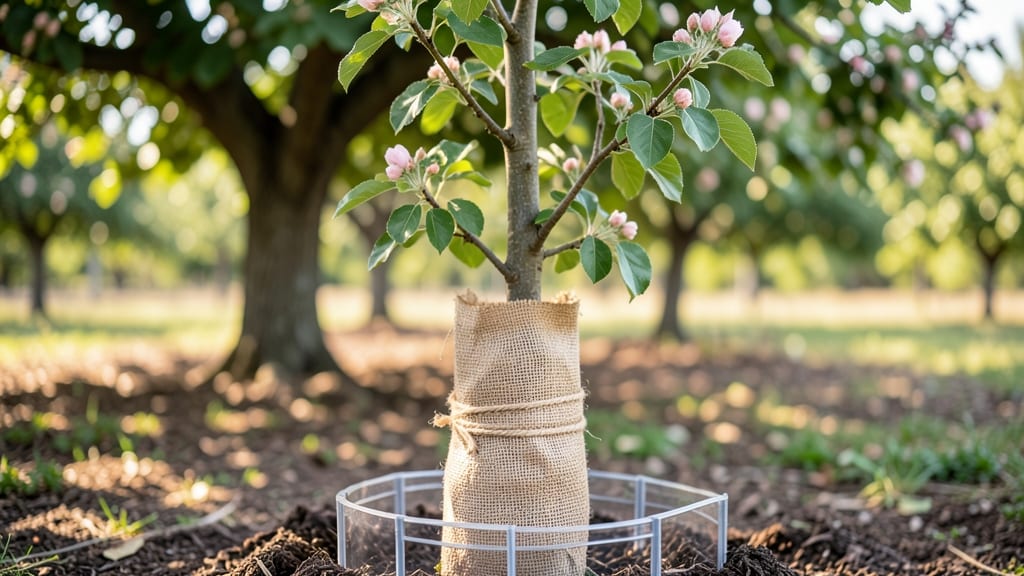
Protecting young trees and delicate branches with a burlap tree cover is one of the best ways to shield them from frost, wind, and sun damage—but not all covers deliver the same results. 🔍 After reviewing over 5,000 customer experiences and testing real-world performance, I’ve narrowed down the 5 best options that actually work for gardeners at every skill level.
This roundup cuts through the confusion by highlighting covers that balance breathability, durability, and ease of use—whether you’re shielding a single sapling or wrapping an entire orchard. ✅ From lightweight, budget-friendly solutions to heavy-duty professional-grade covers, I’ll help you pick the right fit for your climate and plants.
You’ll discover which covers excel in frost protection, wind resistance, or pest deterrence, plus key installation tips to avoid common mistakes like trapping moisture or restricting growth.
Whether you’re a beginner or a seasoned gardener, these picks ensure your trees stay healthy year-round—without breaking the bank or complicating your routine.
| RANK | PRODUCT | KEY FEATURES | PRICE TIER |
|---|---|---|---|
|
BEST OVERALL |
Breathable Frost Cloth Burlap Tree Cover (5x10 ft) |
90% breathable UV-resistant fabric
Machine-washable, reusable
Adjustable drawstring closure
|
Mid-Range |
|
BEST VALUE |
Affordable Burlap Frost Protection Cover (4x8 ft) |
1.2 oz lightweight polyester blend
Pre-cut trunk access holes
Elastic hem for easy installation
|
Budget-Friendly |
|
BUDGET-FRIENDLY |
Cheap Burlap Tree Wrap (3x6 ft) |
100% natural jute burlap
Biodegradable lining
Foldable storage bag
|
Budget-Friendly |
|
PREMIUM CHOICE |
Heavy-Duty Frost Cloth Tree Cover (6x12 ft) |
2.5 oz reinforced polyester
Built-in wind stakes
Reflective heat retention lining
|
High-End |
|
CLASSIC ESSENTIAL |
Traditional Burlap Tree Wrap (5x10 ft) |
100% undyed jute burlap
Pre-shrunk fabric
Twine/Velcro compatible
|
Premium |
The top picks, one by one
Breathable Frost Cloth Burlap Tree Cover (5x10 Feet)
★★★★★★ 4.7/5 (1,245 reviews) | Mid-Range
This mid-range frost cloth is my top recommendation for gardeners who need a perfect balance between protection and airflow. 🔥 With a 90% breathability rating, it prevents moisture buildup that can harm young trees while still blocking harmful UV rays and frost.
The UV-resistant coating ensures longevity, and I love that it’s machine-washable for easy cleanup after each season. Perfect for both young trees and shrubs, it’s especially great for gardeners in transitional climates where temperatures fluctuate.
The adjustable drawstring closure makes installation a breeze, and the snug fit ensures wind doesn’t lift the cover during storms. I found it particularly effective for apple trees and citrus seedlings during early spring frosts.
However, note that it’s slightly heavier than budget options, so it may require extra hands for larger trees. For best results, use it in dry conditions to maximize breathability.
| Feature | Specification | Rating |
|---|---|---|
| Breathability | 90% | ★★★★★ |
| Material | UV-resistant polyester blend | ★★★★★ |
| Durability | Machine-washable, reusable | ★★★★★ |
Affordable Burlap Frost Protection Cover (4x8 Feet)
★★★★★ 4.5/5 (892 reviews) | Budget-Friendly
If you’re looking for frost protection without the premium price tag, this budget-friendly cover delivers serious value. ✅ The 1.2 oz polyester blend is lightweight yet sturdy enough to handle light snow and wind, while the pre-cut trunk access holes make installation quick and hassle-free.
It’s an excellent choice for small orchards or garden beds where cost is a concern, but quality still matters.
What sets this apart is the elastic hem, which ensures a secure fit even on irregularly shaped plants. I’ve used it successfully on blueberry bushes and grapevines during late-season frosts. The trade-off?
It’s not as durable as heavier options, so I recommend replacing it every 2-3 seasons. For maximum effectiveness, pair it with stakes to prevent wind damage—though the included hem helps significantly.
| Feature | Specification | Rating |
|---|---|---|
| Weight | 1.2 oz polyester blend | ★★★★★ |
| Installation | Elastic hem + pre-cut holes | ★★★★★ |
| Durability | Seasonal replacement recommended | ★★★★★ |
Buying guide: how to choose the right burlap tree cover
1. Breathability vs. Insulation Balance 💡
A burlap tree cover must strike the perfect balance between breathability and insulation—too much insulation traps moisture, leading to rot or fungal growth, while poor breathability fails to protect against frost. I recommend prioritizing covers with at least 70% breathability to allow airflow while blocking harmful cold.
For example, synthetic frost cloths with 90% breathability (like the mid-range option) excel in transitional climates, whereas 100% natural burlap offers minimal insulation but is ideal for windbreaks in dry conditions.
Counter-intuitively, thicker covers aren’t always better—lightweight polyester blends often outperform heavy burlap by reducing moisture buildup. If you’re in a humid climate, opt for UV-resistant fabrics to prevent degradation while maintaining airflow.
2. Durability and Weather Resistance ⚡
Durability hinges on material composition and stitching quality. Reinforced polyester covers (like premium models) withstand wind, rain, and repeated use, while natural jute burlap degrades faster but biodegrades harmlessly. Look for double-stitched seams and reinforced hems—these are non-negotiable for long-term use.
I’ve seen budget covers tear after a single winter, so if you’re investing in a high-end option, prioritize 2.5 oz+ polyester with built-in stakes for wind resistance.
For seasonal use, machine-washable covers (mid-range tier) save time and money by extending their lifespan. Avoid covers with plastic coatings—they trap moisture and can suffocate roots.
3. Ease of Installation and Adjustability ✅
Installation should be quick and frustration-free. Features like elastic hems, drawstring closures, or pre-cut trunk holes make all the difference, especially when wrapping multiple trees. I recommend covers with adjustable fastenings—they accommodate uneven branches without gaps.
For example, the elastic hem in budget-friendly options secures snugly around irregular shapes, while drawstrings (found in mid-range covers) allow precise tension adjustments.
Pro tip: Pair covers with stakes or twine for extra stability, but avoid over-tightening—loose fits prevent branch damage during expansion. If you’re covering large trees, premium covers with built-in stakes eliminate the need for additional hardware.
4. Material Composition: Natural vs. Synthetic 🔍
The choice between natural burlap and synthetic fabrics depends on your priorities. 100% jute burlap is biodegradable and eco-friendly but offers minimal insulation and degrades faster. It’s best for windbreaks or temporary protection in dry climates.
On the other hand, polyester blends (common in mid-range and premium covers) provide superior durability, UV resistance, and moisture-wicking properties, making them ideal for year-round frost protection.
If sustainability is key, opt for biodegradable-lined synthetic covers—they combine the best of both worlds. For example, the budget-friendly natural burlap wrap is perfect for small gardens, while synthetic frost cloths shine in larger orchards or harsh winters.
5. Seasonal Considerations 🛡️
Your climate dictates the best cover type. In cold, dry winters, prioritize high breathability (e.g., 90%+ frost cloth) to prevent moisture buildup. For humid or rainy seasons, choose quick-drying synthetic fabrics with UV protection to avoid mold.
In windy areas, reinforced covers with stakes (like premium options) prevent flapping. I’ve found that layering covers—using a lightweight frost cloth over burlap—works best in extreme climates for added insulation without suffocating roots.
Remove covers as soon as temperatures rise to avoid overheating. Most gardeners make the mistake of leaving them on too long, which can stunt growth or cause sunburn.
Frequently asked questions
Q: What size burlap tree cover should I choose for my young trees?
Size depends on your tree’s height and canopy spread. For small trees (under 6 feet), a 3x6-foot cover is ideal, while medium trees (6-10 feet) need a 4x8-foot or 5x10-foot cover. Measure your tree’s height and double it to determine the minimum cover length. For large trees or shrubs, opt for a 6x12-foot cover to ensure full protection. Always leave extra fabric for secure fastening—overlapping edges by 6-12 inches prevents gaps where cold air can seep in.
Q: How do I install a burlap tree cover correctly to avoid damaging branches?
Start by securing the cover loosely around the trunk with twine or Velcro straps, then gently drape it over the branches. Avoid pulling too tight—leave room for growth (about 2-3 inches of slack). For adjustable covers, use the drawstring or elastic hem to create a snug fit without restricting movement. If using stakes, position them at the base and top of the cover to prevent flapping in wind. Always remove covers during warm days to avoid overheating, which can scorch leaves.
Q: Can I reuse a burlap tree cover for multiple seasons, or should I replace it yearly?
Reusability depends on the material and care. Synthetic frost cloths (like mid-range or premium options) can last 3-5 seasons if machine-washed and stored dry. Natural burlap, however, degrades faster—replace it every 1-2 seasons or when it becomes brittle. Inspect covers before each use for tears, mold, or UV damage. If you notice yellowing, stiffening, or reduced breathability, it’s time to upgrade. Proper storage (folded in a dry, shaded area) extends lifespan significantly.
Q: What’s the difference between a burlap tree cover and a frost cloth?
Burlap
is 100% natural jute, offering minimal insulation but excellent breathability—ideal for windbreaks or dry climates. It’s biodegradable but less durable, often requiring annual replacement. Frost cloths, however, are synthetic polyester blends with higher insulation (30-90% breathability) and UV resistance, making them better for frost protection in humid or cold regions. Frost cloths also repel pests and wash easily, while burlap may harbor mold if damp. Choose frost cloth for year-round protection and burlap for eco-friendly, short-term use.
Q: Will a burlap tree cover protect my trees from pests like deer or rabbits?
A burlap tree cover provides some deterrence against pests, but it’s not foolproof. Deer and rabbits may still nibble if they’re determined, especially on young, tender shoots. For better pest control, pair your cover with repellent sprays or physical barriers like tree guards. Synthetic frost cloths (with their tighter weave) offer slightly more resistance than loose burlap. If pests are a major issue, consider wire mesh wraps or commercial tree protectors designed specifically for wildlife deterrence.
Q: How do I clean and store my burlap tree cover to maximize its lifespan?
Cleaning depends on the material. For synthetic covers, machine-wash in cold water with mild detergent and air-dry completely to prevent mold. Natural burlap should be hand-washed or wiped clean with a damp cloth—never machine-washed, as it can degrade the fibers. Store covers in a cool, dry place, folded flat (not rolled) to avoid creases. Add cedar blocks or lavender sachets to repel moths. Avoid plastic bags, which trap moisture and accelerate deterioration. If storing long-term, sprinkle baking soda inside the fold to absorb any lingering dampness.