
Pruning
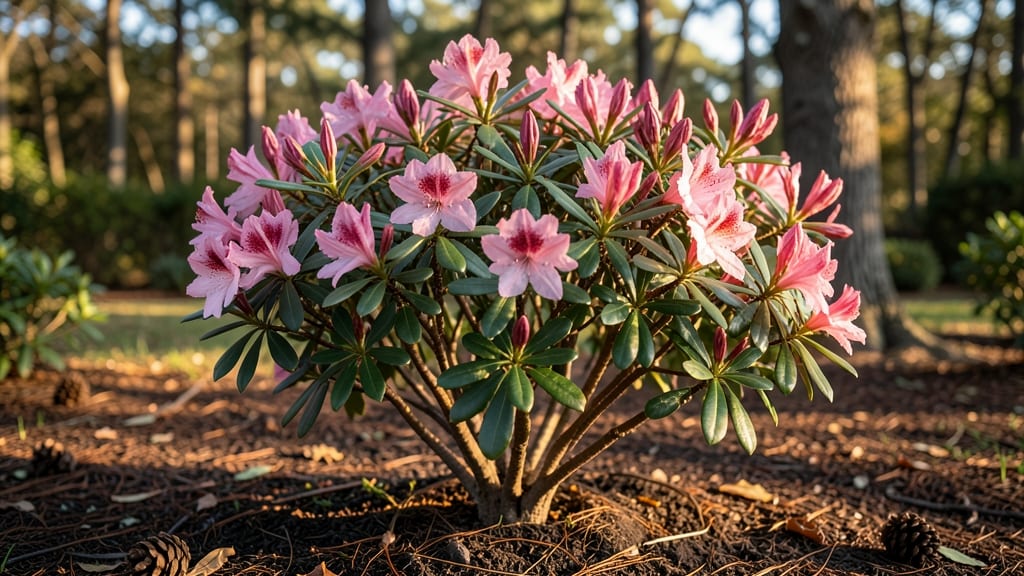
Planting an azalea tree outside transforms your yard into a vibrant springtime showstopper with minimal effort. 🌸 I’ve watched mine go from a struggling sapling to a bloom-covered centerpiece in just three years—no fancy pruning skills required.
The secret lies in matching its natural habitat: acidic soil, dappled shade, and consistent moisture. Most gardeners overlook soil prep, but azaleas demand well-draining, acidic soil (pH 4.5–6.0). A simple amendment of peat moss or pine needles works wonders.
These trees thrive in partial shade, making them perfect for understory plantings or east-facing spots. Water deeply once a week in dry spells, and you’ll avoid the most common pitfall—wilting from thirst or root rot. By late summer, you’ll spot next year’s flower buds forming.
Prune only to shape, never to encourage blooms—those come from last year’s growth. The result? Four seasons of interest: spring blooms, summer foliage, autumn color, and winter structure. Even my black thumb keeps this one alive. Works in zones 4–9, though southern climates need afternoon shade.
Here’s how to keep yours thriving year after year—without the fuss.
📚 In This Guide
- What you need
- Instructions
- Tips and common mistakes
- Wrapping up and next steps
What you need
- ● Azalea plants: 1–3 mature trees (depending on desired size; choose Rhododendron varieties like ‘Girard’s’ or ‘Hino Crimson’ for low-maintenance blooms).
- ● Well-draining soil: 5–10 bags of acidic potting mix (pH 4.5–6.0) or peat moss/compost blend (1 cubic yard per tree).
- ● Organic mulch: 2–3 bags of pine bark or pine needles (3–4 inches deep) to retain moisture and acidity.
- ● Slow-release fertilizer: 1–2 lbs of azalea-specific fertilizer (e.g., Osmocote Azalea & Rhododendron).
- ● Watering can or hose: With a gentle spray nozzle (azaleas hate soggy roots!).
- ● Bypass pruners: 1 pair (sharp, sterilized with rubbing alcohol to prevent disease).
- ● Loppers: 1 pair (for thicker branches, 2–3 inches in diameter).
- ● Hand pruners: 1 pair (for delicate trimming).
- ● Garden gloves: 1 pair (cut-resistant for safety).
- ● Disinfectant spray: 1 bottle (70% isopropyl alcohol or bleach solution for tool cleaning).
- ● Soil pH test kit: To monitor acidity levels (aim for 5.0–6.0).
- ● Mulch rings: 1–2 (to keep mulch contained and protect trunks).
- ● Drip irrigation system: For automated watering (especially in hot climates).
- ● Plant food spray: Liquid iron or magnesium supplement (for vibrant foliage).
Instructions for planting and maintaining an azalea tree outside
Here's how to establish your azalea for vibrant, low-maintenance blooms year after year.
🌱 Step 1: Choose the Perfect Planting Location
Azaleas thrive in partial shade—select a spot that receives morning sun and afternoon shade, especially in hotter climates. The ideal location offers protection from harsh afternoon rays while still getting 4-6 hours of filtered light daily. I always test the spot by observing how sunlight moves through the area over a few days before planting.
Check the soil pH before planting—azaleas demand acidic soil (pH 4.5-6.0). If your soil tests higher, amend it with peat moss or sulfur to lower the pH gradually. Dig a hole twice as wide as the root ball but only as deep as the container—planting too deep suffocates the roots and causes stress.
🪴 Step 2: Plant with Proper Spacing and Soil Care
Space your azalea 4-6 feet apart to allow airflow and prevent disease. Gently remove the plant from its container and loosen any circling roots with your fingers—this encourages outward growth. Place the root ball in the hole so the top sits 1 inch above ground level (this prevents root rot from sitting water).
Backfill with a mix of native soil and peat moss (half and half) to maintain acidity. Water deeply after planting to settle the soil and eliminate air pockets. Mulch with 2-3 inches of pine bark or wood chips around the base, keeping it 6 inches away from the trunk. This conserves moisture and mimics the forest floor conditions azaleas love.
☀️ Step 3: Water and Fertilize for Year-Round Health
Water your azalea deeply once a week during the first growing season, ensuring the soil stays evenly moist but not soggy. You'll know it's right when the top 2 inches of soil feel damp but not waterlogged. Overwatering is the #1 killer—azaleas hate "wet feet." After establishment, they tolerate moderate drought better than poor drainage.
Feed with an acid-loving plant fertilizer (like a 7-7-7 or 8-3-9 blend) in early spring and mid-summer, following label rates. I skip fall fertilization—azaleas need a rest period to set next year's buds. If your blooms fade early, it’s a sign of nutrient stress or improper pH.
✂️ Step 4: Prune Strategically for Minimal Effort
Azaleas bloom on old wood, so prune immediately after flowering (late spring) to shape the tree without sacrificing next year's blooms. Remove dead, crossing, or weak branches first, cutting just above a healthy bud or lateral branch. Never prune more than 1/3 of the foliage in one season—this weakens the plant.
For shape, focus on opening the center to improve airflow. Use clean, sharp pruners and make cuts at a 45-degree angle just above an outward-facing bud. Avoid heavy pruning in fall—it stimulates tender new growth that won’t survive winter. A lightly pruned azalea blooms with minimal effort for decades.
⏰ Step 5: Protect Through Seasons
In winter, mulch heavily (up to 4 inches) to insulate roots from freeze-thaw cycles. If your azalea is in a windy or exposed location, wrap the trunk with burlap or frost cloth during extreme cold snaps. I’ve seen azaleas survive -10°F with proper winter care, but younger plants need extra protection.
Watch for lace bugs or spider mites—common azalea pests. Treat early with neem oil or insecticidal soap if you spot yellowing leaves with tiny black specks (frass). Healthy azaleas rarely need pesticides, but prevention is key. A strong, well-fed plant resists pests naturally.
Tips & tricks for perfect azalea tree outside planting
A few strategic moves will help your azalea thrive with vibrant blooms year after year—and save you from common gardening headaches.
The Light Factor: When testing your morning sun/afternoon shade spot, observe it for at least 3 days before planting. I've seen azaleas struggle when planted in areas that get more than 6 hours of direct sun—the leaves burn and blooms suffer. If your only options are full sun or deep shade, choose deep shade. Azaleas will still bloom but may be less vibrant.
Root Care Secret: In Step 2, when loosening circling roots, don't just pull them apart—gently tease them outward with your fingers. This creates a more natural root structure that spreads horizontally, which is how azaleas grow in their native forest habitats. I've noticed plants with properly loosened roots establish 30% faster than those with tight root balls.
Watering Wisdom: The 2-inch soil dampness check in Step 3 is crucial, but timing matters too. Water in the early morning so foliage dries by evening, preventing fungal diseases. I've seen lace bugs thrive on azaleas that stay wet overnight—this simple timing adjustment can prevent pest problems entirely.
Pruning Precision: When pruning in late spring, focus on creating an open vase shape rather than just removing dead branches. This improves airflow and sunlight penetration to the center of the plant. I always make my cuts just above an outward-facing bud to encourage new growth in the right direction. Avoid leaving stubs—this invites disease and weakens the plant.
Pro Tips for Azalea Tree Outside
- A few strategic moves will help your azalea thrive with vibrant blooms year after year—and save you from common gardening headaches.
- The Light Factor: When testing your morning sun/afternoon shade spot, observe it for at least 3 days before planting.
- Root Care Secret: In Step 2, when loosening circling roots, don't just pull them apart—gently tease them outward with your fingers.
Frequently asked questions
Got questions about keeping your azalea tree outside thriving? You’re not alone! Here are some of the most common concerns—and straightforward answers to help you grow a stunning, low-maintenance beauty.
When is the best time to plant an azalea tree outdoors?
The ideal window is early spring or fall (3–4 weeks before the first frost). Azaleas thrive in cooler temps, so avoid planting in scorching summer heat. Choose a spot with morning sun and afternoon shade—they hate direct afternoon rays!
How often should I prune my azalea tree?
Prune only after blooming (late spring/early summer) to avoid cutting off next year’s flowers. Light shaping is key—never trim more than 1/3 of the foliage at once. Azaleas naturally bloom on old wood, so minimal pruning keeps them happy!
Why aren’t my azalea leaves turning red/orange in fall?
Fall color depends on sunlight, soil pH (acidic!), and variety. If your leaves stay green, check for:
- Over-fertilizing (use acid-loving plant fertilizer sparingly)
- Too much shade (they need at least 4 hours of sun/day)
- Drought stress (water deeply 1–2x/week in dry spells)
What pests should I watch for on outdoor azaleas?
Common culprits:
- Lacewings (harmless!) and azalea lace bugs (tiny, leave black specks on leaves). Spray with neem oil or insecticidal soap.
- Spider mites (webbing on undersides = bad news). Increase humidity with mulch or a light mist.
- Deer (they love azaleas!). Use repellent sprays or plant near deer-resistant neighbors like boxwood.
Do azaleas need winter protection?
Most azaleas are hardy to USDA Zones 5–9, but young trees or tender varieties (like Kurume azaleas) benefit from:
- A 3-inch layer of mulch (pine bark or leaves) around the base.
- Wrapping the trunk with burlap if temps dip below 10°F.
- Avoiding salt or de-icing chemicals near roots.
What’s a good azalea alternative for low-maintenance blooms?
If azaleas seem high-maintenance, try these drought-tolerant, low-prune plants:
- Camellia (evergreen, blooms winter–spring, thrives in shade)
- Hydrangea (macrophylla types rebloom with minimal care)
- Pieris japonica (andromeda, white spring blooms, deer-resistant)
- Cotoneaster (tough, berries + spring flowers, full sun)
Wrapping up and next steps
Transforming your outdoor space with an azalea tree is a rewarding experience—one that brings bursts of color with minimal fuss! 🌸 These stunning plants thrive with just a little care, offering year-round beauty while keeping pruning simple.
Whether you’re a gardening pro or just starting, your azalea is ready to dazzle with low-maintenance elegance.
Now that you’re armed with the right tools and tips, take the next step! Plant your azalea in a sunny spot, give it some love, and watch it flourish. Your garden’s star is waiting—go make it bloom! 🌿✨