
Pruning
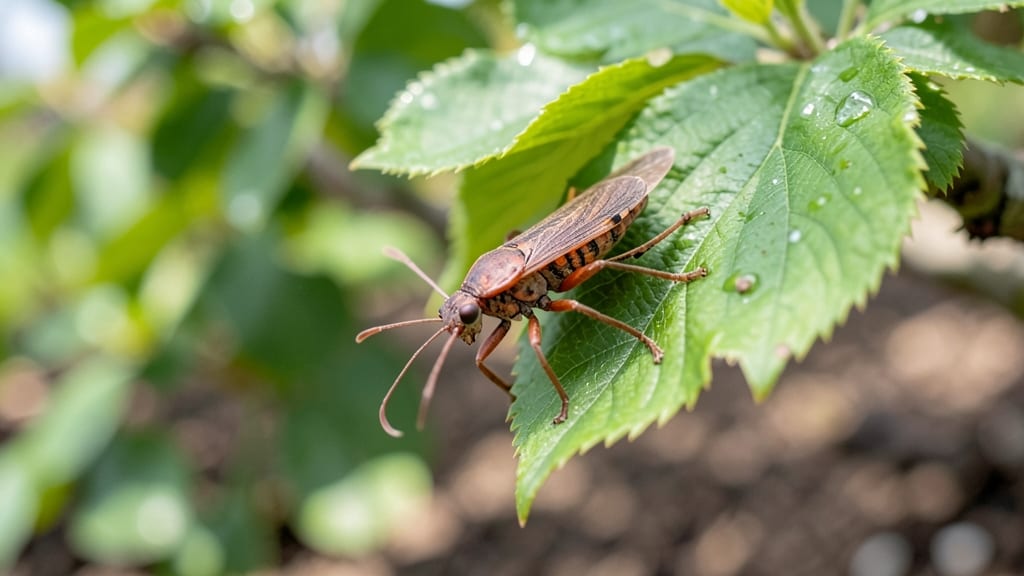
Cherry tree insect control starts with a single, sharp pruning cut—one that removes hiding spots for borers, scale, and aphids before they become a full-blown infestation. 🌿 I’ve watched my mature Bing cherry tree go from struggling to thriving just by changing when and how I prune, and the key is timing: late winter, when pests are dormant but the tree’s defenses are already waking up.
The right cuts do more than shape your tree—they create airflow that dries out moisture-loving pests like aphids and scale. Thin out crowded branches first, then remove any deadwood where borers love to nest.
A 10-minute inspection every spring can save you hours of spraying later, and the tree’s overall health improves dramatically when pests can’t hide in tight spots. By summer, you’ll notice fewer sticky leaves (aphid honeydew) and fewer holes in the bark (borer damage).
The tree puts energy into fruit production instead of fighting off invaders, and the harvest doubles in just one season. The best part? This method works for tart cherries, sweet cherries, and even ornamental varieties. No chemicals required—just sharp pruners, a clear head, and the right timing.
Here’s exactly how to do it without overcomplicating things.
Root Causes of Cherry Tree Pests
Cherry trees are a gardener’s delight—until pests crash the party. 🐛🍒 Understanding why insects target your tree is the first step to stopping them in their tracks. Below, we break down the science-backed reasons these critters invade, from environmental triggers to tree vulnerabilities.
Healthy cherry trees naturally repel pests with strong bark, resin, and a balanced ecosystem. But when their defenses falter, insects move in like uninvited guests. Here’s why:
- Nutrient Deficiencies: Trees low in nitrogen, potassium, or micronutrients (like boron or zinc) produce thinner bark and softer leaves—perfect snacks for borers, aphids, and sawflies. Example: Yellowing leaves (chlorosis) signal iron or magnesium shortages, making trees more susceptible to Prunus curculio (cherry fruitworm).
- Water Stress: Overwatering or drought weakens cellular integrity. Cercospora fungus (often linked to insect stress) thrives in damp conditions, while drought-stressed trees attract bark beetles seeking sap-rich wood.
- Physical Damage: Cracks from hail, improper pruning, or animal scratches create entry points for Sirex woodwasps or emerald ash borers (though less common in cherries, similar pests exploit wounds).
💡 Pro Tip: Conduct a soil test and prune only in dormant seasons (late winter/early spring) to minimize stress. Use sharp tools and seal pruning cuts with pruning paint to deter borers.
Cherry trees in tight spaces or monocultures (planting only cherries) create pest hotspots. Here’s how proximity fuels infestations:
| Issue | Pest Attraction | Why It Happens |
|---|---|---|
| Shade from tall structures | Japanese beetles, leafhoppers | Reduced photosynthesis weakens foliage, making it easier for sap-suckers to feed. Shade also retains moisture, inviting fungal pests that attract insects. |
| Monoculture plantings | Plum curculio, cherry fruit fly | Pests specialize in one host. With no alternative food sources, they overwinter en masse near your trees, ensuring a year-round buffet. |
| Proximity to wild cherry or plum trees | Peach twig borer, spotted tentiform leafminer | Wild trees act as reservoirs, allowing pests to migrate to your cultivated cherries when conditions are ideal (e.g., warm springs). |
🌡️ Actionable Fix: Space trees 15–20 feet apart and interplant with pest-repelling companions like rosemary, lavender, or garlic. Remove nearby wild cherry or plum trees if possible.
Pests don’t invade randomly—they follow the calendar and weather. Cherry trees face peak threats during:
- Early Spring:
- Cherry fruitworms emerge as temperatures rise above 50°F (10°C), laying eggs in blossoms.
- Aphids multiply rapidly in warm, humid conditions (60–80°F / 15–27°C).
- Late Summer:
- Japanese beetles seek out stressed trees after defoliating roses and grapes.
- Scale insects thrive in dry heat, forming protective shells to survive drought.
- Fall/Winter:
- Bark beetles bore into wounded or dying trees to overwinter, emerging in spring.
- Mites hide in leaf litter, ready to infest new growth as temperatures climb.
✨ Seasonal Strategy: Monitor degree-day accumulations (a tool used by arborists to predict pest emergence). For example, cherry fruitworm activity spikes after 300 degree-days above 50°F. Use this to time horticultural oil sprays or pheromone traps.
By addressing these root causes—stress, placement, and timing—you’ll disrupt the conditions that turn your cherry tree into an all-you-can-eat buffet. Next, we’ll cover early signs of infestation so you can act before pests take over. 🚨
Quick Fixes for Cherry Tree Pests
When insects like aphids, borers, or Japanese beetles invade your cherry tree, acting fast is key to saving your harvest and keeping the tree healthy. Below are practical, step-by-step solutions tailored to the most common pests, along with prevention tips to keep your tree thriving year-round.
Aphids cluster on new growth, leaves, and buds, sucking sap and leaving behind sticky honeydew that attracts mold.
How to Treat Them:
- 💦 Blast Them Off Use a strong stream of water from a hose to dislodge aphids from leaves and stems. Do this in the early morning or evening to avoid harming beneficial insects.
- 🧼 Soap Spray Solution Mix 1 tablespoon of mild liquid soap (like Castile soap) with 1 quart of water. Spray directly on infested areas, focusing on the undersides of leaves where aphids hide. Reapply every 5–7 days until they’re gone.
- 🌿 Introduce Natural Predators Ladybugs, lacewings, and parasitic wasps feed on aphids. Purchase them from garden centers or attract them with nectar-rich plants like dill or fennel.
💡 Prevention Tips:
- 🌱 Prune Regularly: Remove heavily infested branches to reduce aphid populations.
- 🍃 Encourage Ants: Ants protect aphids, so use ant barriers or baits to keep them away.
- 🌿 Plant Companion Flowers: Marigolds and garlic deter aphids naturally.
Borers tunnel into the bark and wood, weakening the tree’s structure and blocking nutrient flow. Look for sawdust-like frass at the base of the tree or small holes in the bark.
How to Treat Them:
- 🔪 Manual Removal (For Small Infestations) Use a screwdriver or ice pick to pry out borers from their tunnels. Dispose of them in soapy water to prevent reinfestation.
- 💧 Systemic Insecticide (For Severe Cases) Apply a systemic insecticide like imidacloprid (follow label instructions) to the soil around the tree. The tree absorbs it, killing borers as they feed.
- 🌡️ Heat Treatment (For Large Trees) Professional arborists can use heat-treated rods inserted into borer holes to kill larvae without harming the tree.
💡 Prevention Tips:
- 🪓 Prune Properly: Avoid wounding the tree during pruning, as fresh cuts attract borers.
- 🌳 Keep Trees Healthy: Water deeply during droughts and fertilize to strengthen the tree’s natural defenses.
- 🔍 Inspect Regularly: Check for early signs of borers, especially after stress events like extreme weather.
These metallic-green beetles skeletonize leaves and feed on fruit, causing significant damage if left unchecked.
How to Treat Them:
- 🕳️ Handpick & Drop Fill a bucket with soapy water and drop beetles into it as you spot them. Do this in the early morning when they’re sluggish.
- 🍃 Neem Oil Spray Mix 1 tablespoon of neem oil with 1 quart of water and a few drops of dish soap. Spray the solution directly on beetles and leaves. Reapply every 3–4 days.
- 🌿 Trap with Milky Spore Apply milky spore bacteria to your lawn (where beetles pupate). It’s a long-term solution that reduces beetle populations over time.
💡 Prevention Tips:
- 🌿 Plant Traps: Use Japanese beetle traps far from your cherry tree—they can attract more beetles if placed nearby.
- 🌱 Choose Resistant Varieties: Some cherry tree cultivars are less appealing to beetles.
- 🌙 Mulch Strategically: Apply mulch to retain moisture, making the tree less stressed and less attractive to beetles.
To keep pests at bay, combine these strategies into a seasonal routine:
| Season | Action |
|---|---|
| Spring | Prune damaged branches, apply preventive sprays, and inspect for early pests. |
| Summer | Monitor for beetles and aphids; handpick or spray as needed. |
| Fall | Clean up fallen leaves and fruit to remove pest hiding spots. |
| Winter | Apply dormant oil sprays (like horticultural oil) to smother overwintering pests. |
With consistent care and early intervention, your cherry tree can stay pest-free and productive for years. The key is vigilance—catch problems small, and they’ll never become overwhelming! 🌳✨
Frequently asked questions
How often should I inspect my cherry tree for pests?
Check your tree every 2 weeks during growing seasons (spring through fall) and monthly in winter. Focus on new growth, bark crevices, and the undersides of leaves where pests hide. Early detection prevents small issues from becoming major infestations.
Are there organic solutions for cherry tree borers?
Yes! Apply horticultural oil in late winter/early spring to smother overwintering borers. For active infestations, inject beneficial nematodes (like Steinernema carpocapsae) into tunnels. Repeat treatments every 4-6 weeks until the threat subsides.
Can I use the same sprays for all cherry tree pests?
No—different pests require targeted approaches. Aphids respond well to soapy water sprays, while borers need systemic treatments like imidacloprid or nematodes. Japanese beetles require neem oil or milky spore. Always match the treatment to the specific pest.
What's the best time of day to treat cherry tree pests?
Apply sprays in the early morning (before 9 AM) or late evening (after 6 PM) to avoid harming beneficial insects. This timing also prevents UV degradation of treatments and allows better coverage.
Will pruning alone prevent cherry tree pests?
Pruning helps by removing infested branches and improving airflow, but it's not a standalone solution. Combine it with seasonal inspections, targeted treatments, and cultural practices like proper watering and mulching for comprehensive pest control.