
Size
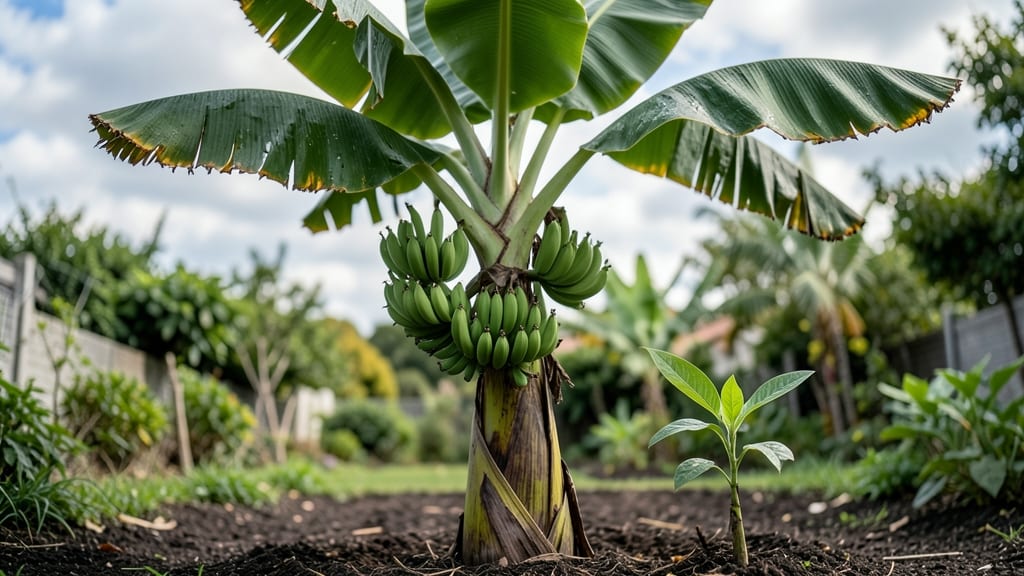
A banana tree’s size 🍌 can range from a compact 6-foot dwarf to a towering 30-foot giant, depending on the variety and growing conditions—so planning your garden (or patio) starts with knowing what to expect.
If you’ve ever dreamed of growing your own tropical banana trees but wondered how much space they’ll really need, you’re not alone—many gardeners underestimate their impressive growth potential.
Some varieties, like the Dwarf Cavendish, stay manageable even in containers, while others, such as the Red Dacca, shoot up like skyscrapers in the right climate.
Below, I’ll break down the height ranges by type, spacing needs, and how to keep them in check—whether you’re working with a small balcony or a sprawling backyard.
You’ll also discover how climate, care, and container size influence growth, plus pro tips for pruning and training to avoid overcrowding. Ready to plan your banana tree oasis?

Banana tree height by variety: from dwarf to giant species
When planning your tropical garden, banana tree size is one of the first things to consider—especially if you're working with limited space. Some varieties stay compact enough for balconies, while others grow into towering giants that need yard space.
The mature height of a banana tree depends entirely on its variety, with genetics dictating whether it’ll reach 6 feet or 30 feet tall. Understanding these differences helps you choose the right type for your climate and growing conditions.
Most banana trees belong to the Musa genus, and their growth habits vary wildly. Dwarf varieties like the Dwarf Cavendish rarely exceed 10 feet, making them perfect for containers or small gardens.
Meanwhile, standard varieties such as Red Dacca or Ice Cream bananas can shoot up to 25 feet or more in ideal tropical conditions. Even within the same species, growth rates differ—some varieties mature in 9 months, while others take 2 years to bear fruit.
Here’s a quick look at how banana tree height varies by variety, including their ideal climates and growth quirks:
| Variety | Mature Height (ft) | Growth Rate | Ideal Climate | Notes |
|---|---|---|---|---|
| Dwarf Cavendish | 6–10 ft | Moderate (9–12 months to fruit) | Tropical/Subtropical (Zones 10–12) | Most common dwarf; great for containers. |
| Lady Finger (Dwarf Red) | 8–12 ft | Fast (8–10 months to fruit) | Tropical (Zones 10–11) | Sweet, small fruits; needs staking. |
| Red Dacca | 15–25 ft | Very Fast (6–9 months to fruit) | Tropical (Zones 10–12) | Giant variety; needs strong support. |
| Ice Cream Banana | 12–20 ft | Moderate (10–14 months to fruit) | Subtropical (Zones 9–12) | Creamy, sweet flesh; cold-hardier than most. |
| Bluggoe | 10–15 ft | Slow (12–18 months to fruit) | Subtropical (Zones 8–12) | Hardy; tolerates cooler temps better. |
| Grand Nain | 15–20 ft | Fast (9–12 months to fruit) | Tropical (Zones 10–12) | Classic dessert banana; needs warm winters. |
The Dwarf Cavendish is the gold standard for small-space gardeners, often staying under 10 feet even in containers. Its compact size makes it ideal for patios or urban balconies, but it still needs 6+ hours of sunlight daily to thrive.
In contrast, the Red Dacca is a giant variety that can reach 25 feet in a single growing season, making it unsuitable for most backyards unless you have ample space and a tropical climate.
If you’re growing bananas in containers, even dwarf varieties may need 15–20 gallon pots to prevent root binding. The Lady Finger banana, for example, can grow 8–12 feet tall but stays narrow enough for a 5-gallon pot in its early years.
However, as it matures, you’ll need to upgrade to a 15-gallon container or plant it in the ground to support its weight and fruit production.
Another key factor influencing banana tree height is pruning habits. Some varieties, like the Ice Cream banana, produce multiple stalks (called pseudostems) from the same base, creating a clumping effect.
This makes them appear bushier but doesn’t necessarily reduce their overall height. Meanwhile, single-stem varieties like the Grand Nain grow taller but are easier to manage with staking or trellising.
Climate plays a huge role in how tall your banana tree will grow. In USDA Zones 10–12, where frost is rare, banana trees can grow aggressively, reaching their full genetic potential.
But in cooler climates (Zones 8–9), varieties like the Bluggoe or Red banana may stay shorter due to slower growth rates. If you live in a frost
Proper spacing requirements for banana trees: how close can you plant?
Banana trees need ample space to thrive, and crowding them can lead to stunted growth, poor fruit production, and even disease. The root spread of a mature banana tree can reach 10–15 feet in diameter, while the stem height varies dramatically by variety.
Understanding these spacing needs ensures your trees grow strong and productive, whether planted in the ground or containers.
For outdoor planting, spacing depends on the variety and your climate. Single-stem varieties like Red Dacca need 15–20 feet between plants, while clumping varieties like Dwarf Cavendish can tolerate 8–10 feet apart.
In windy areas, wider spacing (up to 25 feet) helps prevent stem damage and improves air circulation.
Root spread is often overlooked, but banana trees develop extensive underground networks. A single mature tree can occupy 100+ square feet of soil space, competing for nutrients and water. If planting multiple trees, leave at least 10 feet between clumps to avoid root competition, which can reduce fruit yield by up to 30%.
If you're growing banana trees in containers, spacing isn’t an issue between plants, but each tree still needs a large enough pot. A 15–20 gallon container works for dwarf varieties, while standard types require 30+ gallons to accommodate their root systems.
In small spaces, consider vertical training to save room while ensuring adequate airflow.
Proper spacing also improves fruit yield by reducing competition for sunlight and nutrients. Overcrowded banana trees produce smaller, fewer bunches of fruit and are more susceptible to pests like banana aphids.
For optimal results, follow the spacing guidelines above and monitor your trees for signs of stress, such as yellowing leaves or stunted growth.
In tropical climates, banana trees grow year-round, so spacing becomes even more critical. If you’re planting in subtropical zones, consider mulching heavily to protect roots during cooler months. This extra care helps maintain the root spread and overall health of your trees, ensuring they reach their full potential.