
Pruning
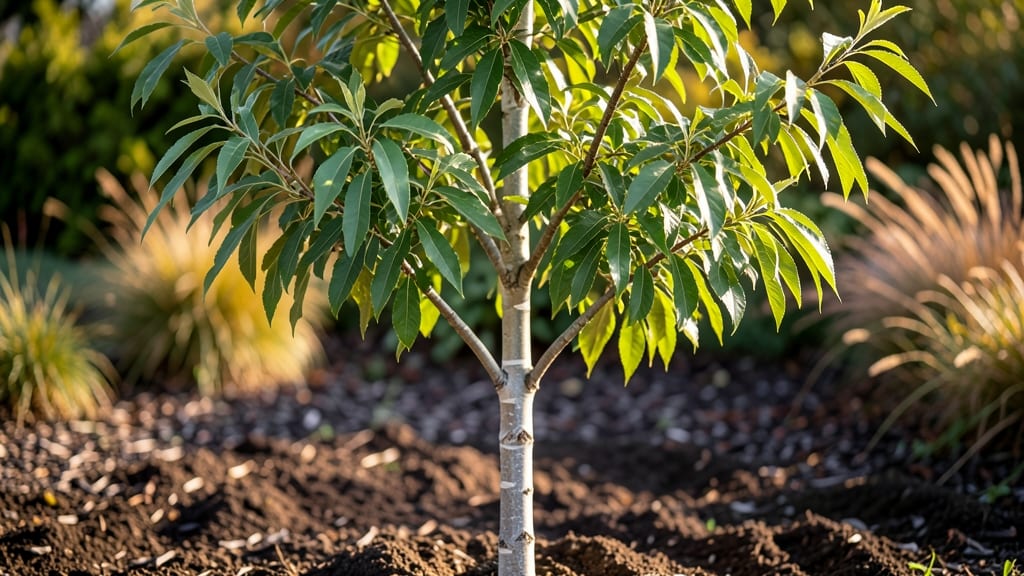
Almond tree growth zones span USDA Hardiness Zones 5 through 9, where mild winters and hot summers create ideal conditions. These zones provide the right balance of chilling hours and temperature ranges for healthy almond production.
Almond trees need 300-700 chilling hours (below 45°F) to break dormancy, which is why Zones 5-9 work best.
In colder areas like Zone 5, you'll want frost-resistant varieties, while Zones 8-9 benefit from drought-tolerant types that thrive in California's hot summers. 🌱 The key is matching your local climate to the tree's specific needs—whether that's extra winter protection or summer watering strategies.
For example, in Zone 6, I've seen growers use row covers during late spring frosts to protect blossoms, while Zone 9 gardeners focus on deep watering during the dry season.
The USDA map is your starting point, but local microclimates—like coastal breezes or valley heat—can shift what works best in your backyard.
💡 In This Article
- USDA Hardiness Zones Explained for Almond Trees
- Optimal Planting Conditions for Almond Trees by Zone
USDA hardiness Zones explained for almond trees
Almond trees thrive in USDA Zones 5-9 because these zones provide the perfect balance of chilling hours and temperature extremes that trigger flowering and nut production. The magic number is 300-700 hours below 45°F—this cold exposure breaks winter dormancy, while summer temperatures between 75-95°F fuel fruit development.
Zone 5's colder winters (down to -20°F) can damage tender varieties, while Zone 9's mild winters (rarely below 20°F) suit heat-loving cultivars like 'Carmel' or 'Nonpareil'.
The USDA map simplifies climate zones, but almond growers must consider microclimates—like coastal fog in Zone 8 or valley heat in Zone 9—that can shift effective growing ranges. For example, Sacramento (Zone 9) has hotter summers than San Francisco (also Zone 9) due to coastal cooling.
Frost pockets in Zone 6 might require selecting early-blooming varieties that escape late spring frosts. The key is matching your local 10-year average lows to the tree's cold tolerance.
Here's how temperature extremes affect almonds: Below -10°F damages blossoms, while above 100°F stresses trees in Zones 8-9. The blooming window (February-March) is critical—early bloomers need frost protection, while late bloomers avoid spring freezes.
In my Zone 7 garden, I've seen 'Texas' variety thrive where 'Price' struggles due to its higher chilling requirement (600+ hours vs. 'Texas''s 400 hours).
Don't rely solely on the USDA map—local nurseries know which varieties perform best in your area. For instance, 'Fritz' (Zone 5-7) handles colder winters better than 'Mission' (Zone 8-9), which needs consistent warmth.
The 100-year temperature records for your region reveal hidden risks: A Zone 6 area with frequent -15°F dips needs winter mulch, while Zone 9's summer droughts demand drip irrigation.
What most growers overlook is how soil temperature interacts with air temperature. Almond roots need 50°F soil to activate growth in spring—colder soils delay budbreak. In Zone 5, I've seen growers use black plastic mulch to warm soil 5-10°F faster.
Meanwhile, Zone 9 gardeners combat heat stress by planting trees 30-50 feet apart for airflow, reducing canopy temperatures by 15°F during heatwaves.
Pro tip: Use the USDA Interactive Map to zoom into your specific location—it shows 1/4-mile precision where the general map only shows county averages. For example, Denver (Zone 5b) has microclimates where almonds thrive near the South Platte River, while nearby foothills are too cold. 🌱