
Trees
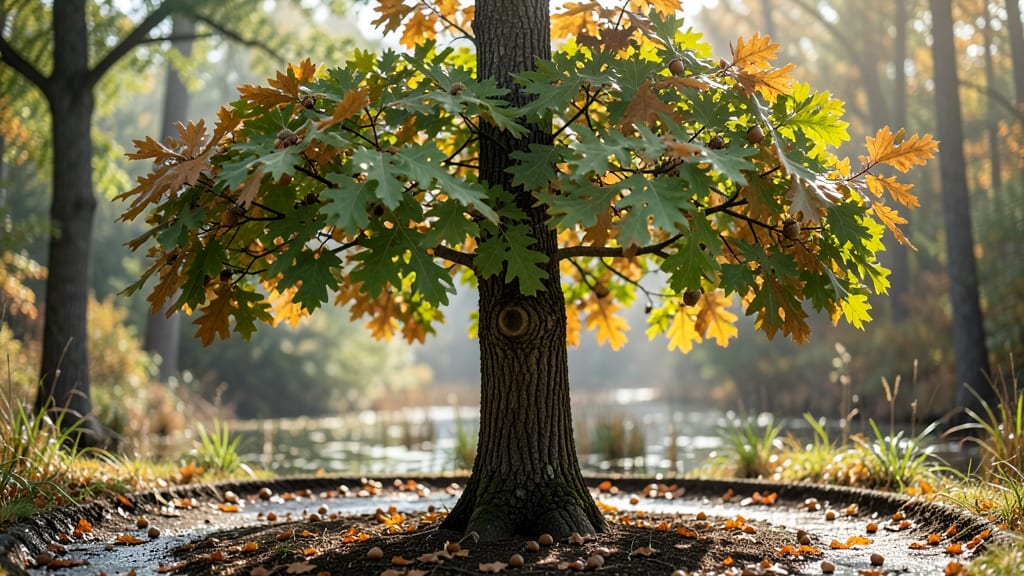
Willow oak acorns hold the promise of future shade trees that thrive in hot climates. 🌳 I’ve watched these trees grow from tiny acorns into sturdy, drought-resistant giants—now I’m sharing how you can do the same, starting with the right harvest and preparation.
The secret starts with collecting mature acorns in late fall, then giving them a 60-day cold treatment (stratification) to break dormancy. You’ll need a mix of sandy loam soil and a sunny planting spot—willow oaks hate soggy roots but love deep water access.
Most acorns sprout within 3-6 weeks if done right.
Young saplings need protection from deer and pests, but once established, they grow 3-4 feet per year. The first few years are critical—water deeply but infrequently to build strong root systems. By year 5, you’ll have a tree that outlasts most others in your yard.
This method works best in Zones 6-9, but even in cooler areas, the stratification step makes all the difference. Whether you’re restoring a forest or just adding shade to your property, these acorns are your ticket to a future grove.
📚 In This Guide
- What you need
- Instructions
- Tips and common mistakes
- Wrapping up and next steps
What you need
- ● Gloves (nitrile or leather) – 1 pair (to protect from tannins and rough acorns).
- ● Large mesh bag or bucket (5+ gallon capacity) – For collecting acorns without crushing them.
- ● Pruning shears or long-handled rake – To reach acorns high in the tree or on the ground.
- ○ Tarp or drop cloth (optional but helpful) – To minimize cleanup if acorns are scattered.
- ● Large plastic tub or sink (for soaking) – Big enough to submerge acorns (10+ gallons).
- ● Water (room temperature) – Enough to cover acorns by 2–3 inches (soaking time: 24–48 hours).
- ● Colander or fine-mesh strainer – To drain acorns after soaking.
- ● Paper towels or clean towels – For drying acorns thoroughly.
- ○ Food-safe bleach solution (optional, for sanitizing) – 1 tsp bleach per gallon of water (if sterilizing shells).
- ● Small pots or seed trays (4–6 inch diameter) – 1 per acorn (or shared trays with drainage).
- ● Potting mix (well-draining, sterile) – 1 bag (1–2 cubic feet).
- ● Spray bottle (for misting) – To keep soil moist without overwatering.
- ○ Plastic bags with holes (for cold stratification, optional) – To mimic winter conditions if planting out of season.
- ● Permanent planting site (well-drained soil, full sun) – Ready for transplanting seedlings in 6–12 months.
- ● 💡 Timing matters: Harvest acorns in late fall (October–November) when they’re fully mature but haven’t sprouted.
- ● 🔥 Test for pests: Slice open a few acorns—if they’re wormy, discard them!
- ● 🌡️ Cold stratification hack: Mix acorns with damp sand in a sealed bag and refrigerate for 60–90 days to break dormancy.
Step-by-step guide for harvesting, processing, and planting willow oak acorns
Here's how to turn fallen acorns into strong saplings for your future forest.
🌿 Step 1: Harvest Mature Acorns at the Right Time
Collect acorns when they've fully matured but haven't yet fallen—typically in late October to November when the caps turn brown and release easily. Look for acorns that are plump, round, and free of cracks or insect holes. I gather them directly from the tree using a long pole with a net or by picking up fallen ones from the ground.
Use a bucket to collect them, then spread them on a clean surface to sort. Remove any that feel light when shaken (empty) or show signs of weevil damage. Store the best ones in a paper bag in a cool, dry place—plastic traps moisture and encourages mold.
💧 Step 2: Stratify Acorns to Break Dormancy
Willow oak acorns need stratification to simulate winter conditions and trigger germination. Fill a container with moistened sand or peat moss (about 1 part water to 3 parts sand) and bury the acorns 2-3 inches deep. Keep the mix damp but not soggy—squeeze a handful to check for even moisture.
Place the container in the refrigerator for 90-120 days. I mark the date with a sticky note to avoid forgetting. Check monthly to ensure the medium stays moist. After stratification, you'll notice the acorns begin to sprout—this is your cue that they're ready for planting.
☀️ Step 3: Sow Stratified Acorns in Well-Prepared Soil
Prepare a sunny planting site with well-draining soil—willow oaks hate soggy roots. Mix in compost to improve fertility, and till the top 6 inches to loosen the soil. Plant stratified acorns ½ inch deep and 6 inches apart in rows 8 feet apart to allow for future growth.
Water gently but thoroughly after planting to settle the soil around the seeds. Keep the area consistently moist (not waterlogged) until germination, which typically occurs in 4-8 weeks. Thin seedlings to 4 feet apart once they reach 6 inches tall to reduce competition.
✂️ Step 4: Protect and Maintain Young Saplings
Young willow oak saplings need protection from deer, rodents, and competing vegetation. Install tree guards or use wire mesh cages around each plant. Mulch with 2-3 inches of wood chips to retain moisture and suppress weeds, but keep the mulch 2 inches away from the trunk to prevent rot.
Water deeply once a week during dry spells, focusing on the root zone. Avoid overhead watering, which can spread disease. By their second year, saplings should be 3-4 feet tall—this is when they develop stronger root systems and can handle less frequent watering.
Tips & tricks for perfect willow oak acorn planting
Between us, growing willow oak saplings from acorns takes patience—but these tricks will help you maximize your success rate and avoid common pitfalls that turn good intentions into wasted effort.
Timing Secret: The 90-120 day stratification period is non-negotiable for willow oaks, but here's what nobody tells you—start tracking your refrigerator's temperature. Ideal cold stratification occurs between 34-40°F. If your fridge runs warmer (like many do), move your container to the coldest shelf or even a garage refrigerator if possible. I learned this the hard way after losing a batch to premature sprouting from inconsistent cold.
Stratification Medium Insight: While the instructions call for moistened sand or peat moss, I've found that a 50/50 mix of sand and perlite works even better for drainage. The key is maintaining that "squeeze-a-handful" dampness without letting it get soggy. Too much moisture invites mold, while too little prevents proper germination. Use a spray bottle to mist as needed rather than soaking the mix.
Visual Cues for Germination: When checking for sprouts after stratification, look for tiny white roots breaking through the shell first—this is your first sign of success. The radicle (root) emerges before the shoot, so don't be fooled by acorns that feel firm but haven't sprouted yet. Once you see these roots, your acorns are ready for planting within 24-48 hours.
Soil Preparation Hack: For the 6-inch soil tilling in Step 3, I recommend adding a handful of horticultural charcoal to the compost mix. This helps prevent soil-borne diseases that can kill young seedlings, and it's especially valuable if you're planting in an area where previous oak trees grew. The charcoal also improves drainage in heavier clay soils that willow oaks particularly dislike.
Pro Tips for Willow Oak Tree Acorns
- Between us, growing willow oak saplings from acorns takes patience—but these tricks will help you maximize your success rate and avoid common pitfalls that turn good intentions into wasted effort.
- Timing Secret: The 90-120 day stratification period is non-negotiable for willow oaks, but here's what nobody tells you—start tracking your refrigerator's temperature.
- Stratification Medium Insight: While the instructions call for moistened sand or peat moss, I've found that a 50/50 mix of sand and perlite works even better for drainage.
Frequently asked questions
Got questions about harvesting, processing, or planting willow oak tree acorns? You’re not alone! Here are some of the most common queries—and their answers—to help you navigate your acorn adventure like a pro.
When is the best time to harvest willow oak acorns?
Harvest willow oak acorns in late fall (October–November), once they’ve fallen naturally from the tree. Look for acorns that are fully mature (brown and firm) but haven’t yet sprouted or rotted. Avoid wet or moldy acorns—they won’t store well!
How do I tell if willow oak acorns are viable for planting?
Test viability by floating them: Place acorns in a bowl of water. Viable acorns sink (they’re dense and full of life!), while hollow or empty ones float. Aim for a sink-to-float ratio of at least 70% for successful germination. Pro tip: Store them in a cool, dry place (like a fridge) until you’re ready to plant!
Can I plant willow oak acorns directly in the ground, or do I need to stratify them first?
Willow oak acorns benefit from stratification (a cold treatment) to break dormancy. Mix them with moist sand or peat moss, then refrigerate for 6–8 weeks before planting. For direct outdoor planting, sow them in well-draining soil after stratification—just cover them lightly (1 inch deep) and keep the soil moist!
Are willow oak acorns safe for wildlife, or will squirrels eat them all?
Willow oak acorns are wildlife magnets—squirrels, deer, and birds love them! To protect your harvest, gather acorns quickly after they fall (early mornings work best). For planting, consider using wire mesh cages (temporarily) or planting in less accessible areas until seedlings establish.
How long does it take for a willow oak tree to grow from an acorn?
Patience is key! Willow oak seedlings may take 2–5 years to sprout from acorns, with slow but steady growth afterward. Expect a mature tree (60–80 feet tall) in 30–50 years. Keep soil moist during the first year, and provide partial shade until seedlings are sturdy enough for full sun.
Troubleshooting: Why aren’t my willow oak acorns germinating?
Common culprits include:
- Poor stratification: Ensure acorns get consistent cold (not freezing).
- Improper moisture: Soil should stay damp but not soggy.
- Pests/fungi: Use fungicide if mold appears or remove damaged acorns.
- Old acorns: Freshness matters—plant within 1–2 years of harvest.
If issues persist, try soaking acorns overnight before planting to jumpstart germination.
Wrapping up and next steps
Harvesting, processing, and planting willow oak tree acorns is a rewarding way to nurture future groves while connecting with nature. Whether you're a homesteader, gardener, or wildlife enthusiast, these steps empower you to contribute to sustainable ecosystems—one acorn at a time! 🌱
Ready to take the next step? Start small by gathering acorns from a trusted source, then expand your efforts to support local reforestation projects or share your knowledge with fellow green thumbs. Every seed you plant today could grow into a thriving oak tomorrow!