
Pruning
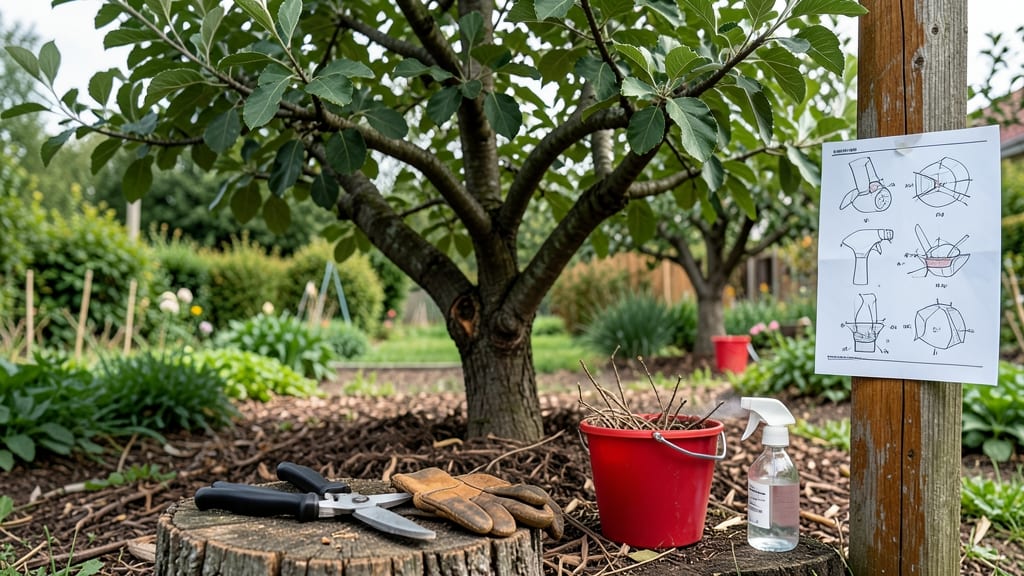
Trimming apple tree branches at the right time is the key to stronger growth and bigger harvests 🍎 — and late winter is your best window to do it.
Picture this: You’ve spent months nurturing your apple tree, only to watch fruit production stall—or worse, see disease creep in—because you pruned at the wrong time. The difference between a thriving orchard and a struggling one often comes down to when you make those cuts.
Most gardeners know pruning matters, but few realize that late winter, just before buds swell, is the golden period for shaping your tree. This is when the tree’s energy is dormant yet ready to redirect growth where you need it most—toward fruit-bearing branches, not wild suckers.
In this guide, I’ll walk you through the exact late winter schedule, the tools to use, and the three critical mistakes that even experienced pruners make.
By the end, you’ll know not just when to trim, but how to do it for trees that reward you with healthier branches and sweeter apples.
Best late winter months to trim apple tree branches for optimal growth
Timing your apple tree pruning in late winter is one of the most critical decisions for fruit production and tree health. During this dormant period, your tree is vulnerable to disease but also primed for vigorous spring growth.
The goal? Prune just before sap begins to rise, typically in February or March, depending on your USDA hardiness zone. This window ensures you remove dead wood and crossing branches while minimizing stress on the tree.
Late winter pruning encourages new growth to emerge from the center of the tree, improving airflow and sunlight penetration. This is especially important for apple varieties like Fuji or Gala, which thrive when branches are properly spaced.
However, pruning too early can expose fresh cuts to freezing temperatures, while waiting too long risks sap flow and disease spread as buds swell.
Here’s how to pinpoint the perfect pruning window for your region, along with climate-specific adjustments to avoid common mistakes:
In cold climates like USDA Zone 4, wait until the last frost date has passed but avoid pruning after bud break. For example, in Michigan, aim for late February when daytime temperatures hover around 35°F.
Look for buds that are swollen but not yet green—this signals the tree is ready for pruning without risking sap bleeding.
If you’re in a milder climate, such as California’s Zone 8, prune in January when the weather is dry. The key is to finish before rapid growth begins, typically when daytime highs exceed 50°F.
In these regions, disease pressure is higher, so sterilize your pruning tools with rubbing alcohol between cuts to prevent fire blight or bacterial canker.
Regional adjustments also apply to tree maturity. Young apple trees (under 3 years old) benefit from light pruning in late winter to establish a strong branch structure.
Mature trees, however, can handle more aggressive pruning—up to 25% of their canopy—as long as you remove dead wood and water sprouts first. Always prioritize open-center pruning to maximize sunlight exposure for fruit development.
One critical mistake is pruning too late in the season, which can lead to excessive sap flow and weakened branches.
If you miss the late winter window, you can perform light maintenance pruning in summer to remove sucker growth, but avoid heavy pruning after June—this can stimulate late-season growth that’s vulnerable to winter damage.
Pro tip: Mark your pruning calendar based on local bloom times. For example, if cherry blossoms in your area bloom in early April, prune your apple tree 4-6 weeks before that date.
This ensures your tree enters its growth phase with an optimal branch structure for fruit bearing.
Finally, always prune on a dry, sunny day to allow wounds to dry quickly and reduce disease entry points. If rain is forecast within 24 hours, delay pruning until conditions improve.
With the right timing, your apple tree will reward you with healthier branches, better fruit quality, and longer lifespan.
Step-by-step late winter pruning guide: tools, cuts, and common mistakes
Late winter is the perfect window to prune your apple tree while it’s dormant. This timing minimizes stress and sets the stage for healthier branches and better fruit production. But before you grab your shears, let’s break down the essential tools and pruning techniques to avoid costly mistakes.
Your toolkit should include bypass pruners for small branches, loppers for thicker stems, and a pruning saw for large limbs. Disinfect tools between cuts with rubbing alcohol to prevent disease spread. I also recommend wearing gloves—thorns and sap can be messy!
⚠️ Critical Timing Warning for Apple Trees
Never prune when sap is flowing (typically March-April in most climates). Cutting too late risks excessive bleeding and disease entry. In mild winters (Zones 8-10), aim for January-February before buds swell. In cold climates (Zones 3-6), wait until late February-March after frost danger passes.
🌱 Pro Tip: Test buds by gently scraping bark—if green shows, wait 2-3 weeks before pruning.
Start by removing dead, diseased, or crossing branches first. Use the 3-branch rule: if three branches grow from one spot, remove the weakest middle branch to improve airflow. For heading cuts (shortening branches), cut just above a bud facing outward to encourage horizontal growth.
Avoid these 5 deadly pruning mistakes: leaving stubs (cut flush), over-pruning (more than 25% of foliage), cutting too close to the trunk collar, and ignoring wound dressings (modern research shows they’re unnecessary). Clean cuts at a 45-degree angle heal faster than jagged ones.
After pruning, mulch around the base with 2-3 inches of organic mulch to retain moisture and protect roots. Water deeply if the soil is dry, but avoid overwatering—apple trees prefer well-draining soil. Monitor for new growth in spring; vigorous shoots mean your tree is recovering well!
With the right tools, timing, and techniques, late winter pruning will give your apple tree a head start for the growing season. Happy pruning—your future harvest depends on it! ✂️🍎