
Plants
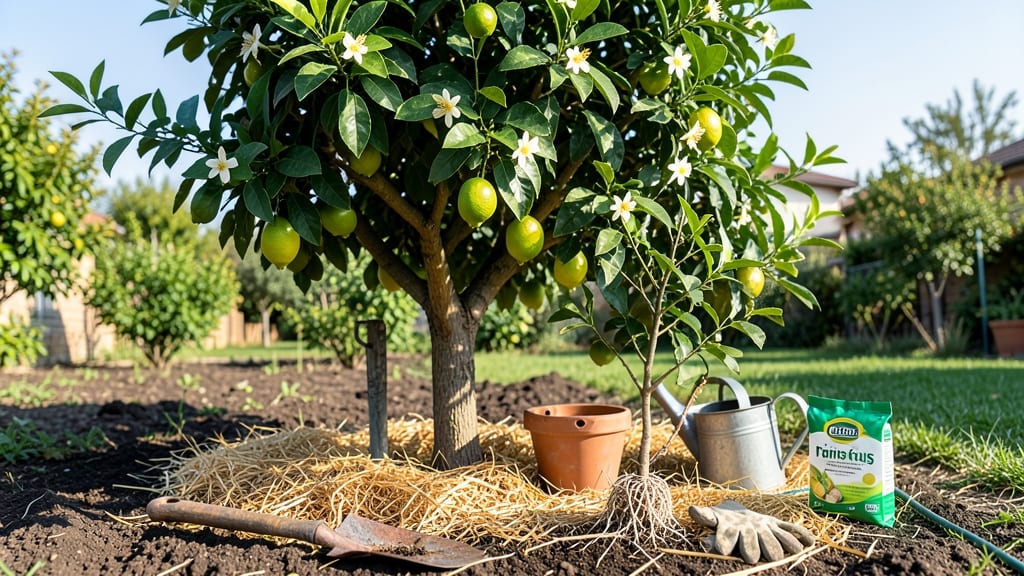
Planting a lemon tree in the ground at the right time ensures strong roots and a thriving 🍋 harvest—miss the window, and you risk stunted growth or frost damage.
If you’ve ever watched a delicate young lemon tree shiver under a late frost or wilt in summer heat, you know timing is everything. The key isn’t just picking a season—it’s reading your local climate, soil temperature, and even moon phases for the best results.
For USDA Zone 6a, like much of the Midwest, the ideal window is April to May, after the last frost and when soil warms to 60°F. But if you’re in a warmer zone, fall planting might work too—just avoid extreme heat or cold snaps.
Below, I’ll break down the exact months for your zone, how to prep your soil, and the 3 signs your lemon tree is ready to thrive—so you can plant with confidence and watch it grow.
Best planting months by USDA hardiness Zone for lemon trees
Lemon trees thrive in USDA hardiness zones 9-11, but even within these zones, the best planting window varies dramatically. In Zone 9, where frost is rare but possible in winter, planting should occur between February and April—just as the last frost threat fades.
Meanwhile, Zones 10-11 enjoy year-round warmth, making September through November ideal to avoid summer heat stress. Even a few weeks off can mean the difference between a thriving tree and one struggling to establish roots.
Soil temperature is just as critical as air temperature. Lemon trees won’t tolerate cold soil, so always wait until the ground reaches at least 60°F (15°C). In Zone 8, where winters are cooler, plant only in late spring (May-June) after the last frost date has passed.
Use a soil thermometer to confirm—this small tool can save your tree from shock.
Container-grown lemon trees offer more flexibility, but timing still matters. If you’re transplanting from a pot, do it when the tree is actively growing—typically spring or early summer—to minimize transplant shock.
Bare-root trees, however, should go into the ground during their dormant season, which for most citrus varieties is late winter or early spring.
| USDA Zone | Best Planting Window | Soil Temp Requirement | Container vs. In-Ground | Key Consideration |
|---|---|---|---|---|
| 9 | February–April | 60°F+ (15°C+) | Containers: Year-round; In-ground: Spring | Avoid winter frost; monitor microclimates |
| 10 | September–November | 65°F+ (18°C+) | Containers: Any time; In-ground: Fall | Escape summer heat; prepare for monsoons |
| 11 | Year-round (best: Fall) | 70°F+ (21°C+) | Containers: Flexible; In-ground: Fall/Winter | Humidity matters; avoid storm season |
| 8 | May–June (after frost) | 65°F+ (18°C+) | Containers: Spring/Summer; In-ground: Late Spring | Extend growing season with frost cloth |
If you’re in Zone 9 and experience a false spring—where warm weather lures you into planting too early—wait for consistent 60°F soil temps for at least a week. False springs often bring late frosts that can devastate young trees.
In Zones 10-11, avoid planting during monsoon season (July-September in some areas), as heavy rains can drown roots or erode soil around newly planted trees.
For container planting, timing is less critical, but still important. You can plant at any time of year if you’re moving a potted lemon tree to a new container, but spring or early summer gives the tree the best chance to recover.
If you’re transitioning from container to in-ground, do it in spring to align with the tree’s natural growth cycle. Always water deeply before and after transplanting to reduce shock.
Microclimates play a huge role in lemon tree success. Even within a single zone, a south-facing slope might warm up faster than a north-facing valley. Use a local weather app to track minimum nighttime temps—your lemon tree’s roots need protection from dips below 40°F (4°C).
In coastal areas, Zone 9 can feel more like Zone 10, while inland areas may experience harsher winters.
Adjust your planting schedule if you’re in an early or late season. For example, if your area has unusually warm winters, you might push planting into late winter. Conversely, if summers are extremely hot, delay until late summer or early fall to avoid heat stress.
Always check with your local cooperative extension service for hyper-local advice—they track frost dates and soil conditions year-round.
One final tip: Mulch heavily after planting to retain soil moisture and regulate temperature. Use 3-4 inches of organic mulch, like wood chips or straw, and keep it 6 inches away from the trunk to prevent rot.
This is especially important in Zones 8-9, where temperature swings can be dramatic. Mulch acts like a natural insulator, giving your lemon tree the best possible start.
🌱
How to choose the perfect time based on moon phases and weather
Even if you’ve picked the right USDA hardiness zone, your lemon tree’s success hinges on weather conditions and lunar cycles. I’ve learned that planting during a waxing moon (when roots grow best) or after a light rain gives young roots a moisture boost.
But timing isn’t just about the moon—it’s also about avoiding heatwaves or heavy winds that can stress your tree before it establishes.
Start by checking your local 5-day forecast for stable temperatures between 60°F and 85°F. If your area’s humidity levels are high, plant in the early morning to reduce fungal risks.
I once planted a lemon tree during a 90°F heatwave, and it took twice as long to recover—don’t make that mistake!
🌱 Key Takeaway: Lemon Tree Planting Checklist
- 🌙 Moon Phase: Plant during waxing moon (root growth phase)
- ☀️ Temperature: Soil 60°F+, air 60-85°F
- 💧 Soil Moisture: Lightly damp (not soggy) 2-3 inches deep
- 🌬️ Wind: Avoid days with gusts >15 mph
- 🌧️ Rain: Plant 1-2 days after light rain (avoid heavy downpours)
⚠️ Pro Tip: Use a soil thermometer—lemon trees need warm roots to thrive!
Don’t overlook soil moisture levels—stick your finger 2-3 inches deep into the soil. If it feels dry, water the area 24 hours before planting to help roots establish faster.
I’ve seen lemon trees planted in bone-dry soil struggle for months to recover. A well-hydrated root ball is your best friend during those critical first weeks.
For container-grown lemon trees, timing shifts slightly. Since pots dry out faster, I plant them 1-2 weeks earlier than in-ground trees to give roots time to adjust. If you’re in Zone 9-11, avoid planting during monsoon season—excessive rain can drown roots before they acclimate.
Finally, trust your gut. If the weather forecast shows unpredictable shifts (like sudden cold snaps or storms), delay planting by 1-2 weeks. My neighbor rushed a lemon tree into the ground before a late-May frost, and it took a full year to recover.
Patience pays off—your lemon tree will thank you with bigger blooms and sweeter fruit! 🍋