
Pruning
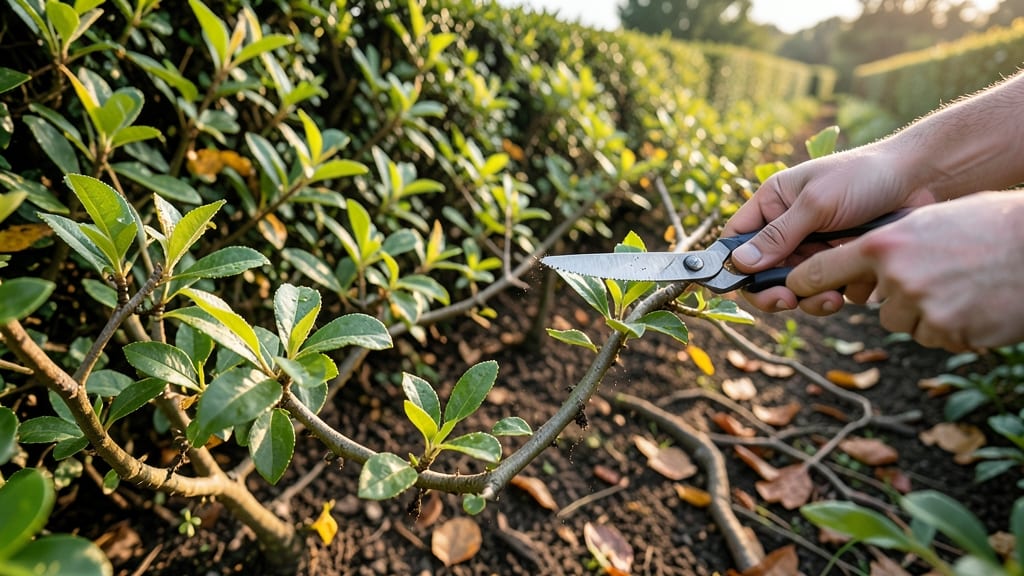
Transforming your trees into architectural masterpieces isn't just about aesthetics—it’s about health, safety, and long-term growth. These ten proven tree shaping techniques will help you sculpt trees year-round while maintaining their natural beauty and structural integrity.
Standard Tree Shaping with Central Leader
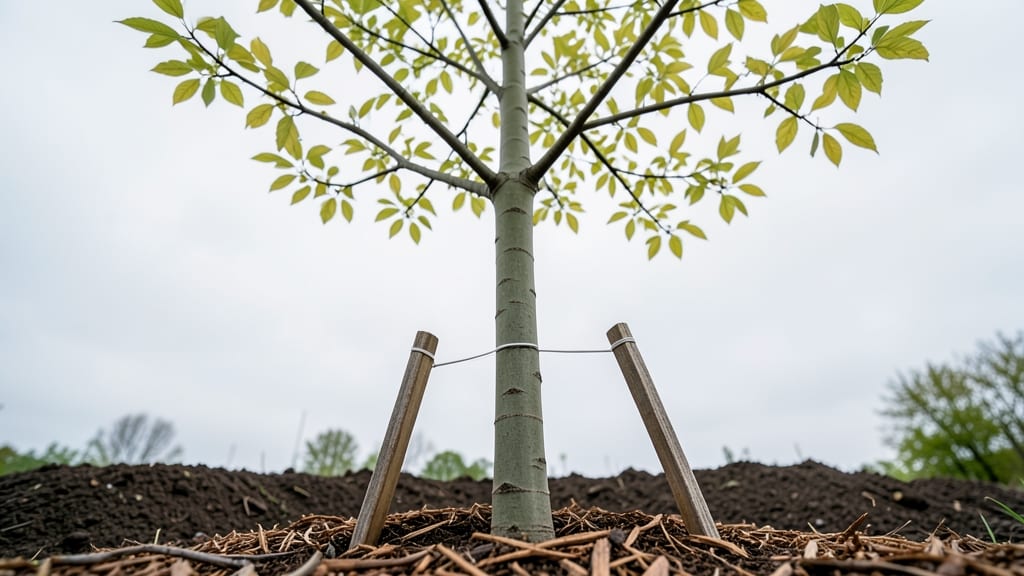
When you plant a young tree, its future strength depends on how you guide its growth from day one. The standard tree shaping with a central leader method ensures your tree develops a single dominant trunk and a balanced canopy, reducing the risk of weak branches that snap under storm winds or heavy fruit.
Start by identifying the strongest upright branch within the first few years and remove competing vertical stems. Prune side branches back to outward-facing buds to encourage them to grow away from the trunk, creating a natural V-shaped crotch that resists splitting. For fruit trees like apple or cherry, this method also improves airflow, reducing disease risks. Focus on shaping during dormant seasons (late winter or early spring) when the tree isn’t actively growing.
This technique is perfect for beginners or anyone with young trees in their landscape—it builds a sturdy foundation that pays off for decades. 🌱
Pollarding for Dramatic Height Control
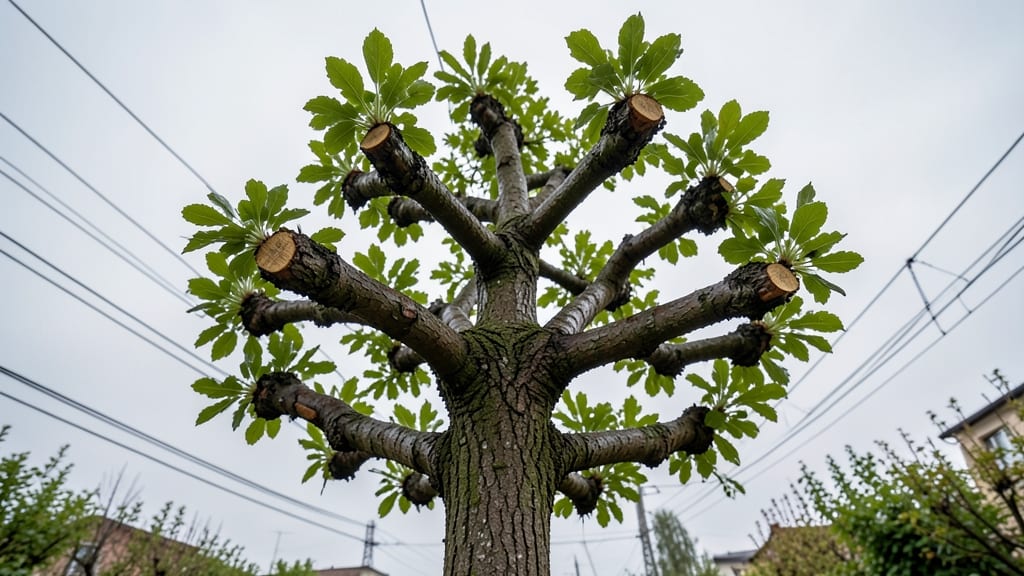
When towering trees threaten power lines or overwhelm your urban garden, pollarding offers a radical solution—cutting branches back to stubs to force dense, controlled regrowth. Unlike regular pruning, this technique targets mature trees, creating bold horizontal layers that transform them into living sculptures.
Best suited for oak, ash, or lime trees, pollarding involves removing all branches back to a main trunk or scaffold branch, leaving small buds or stubs. Perform this in late winter or early spring before new growth begins, using sharp tools to avoid tearing bark. The result? Thicker, stronger branches and a canopy that stays within bounds while thriving in tight spaces. 🌟
Espalier Training for Wall-Aligned Growth
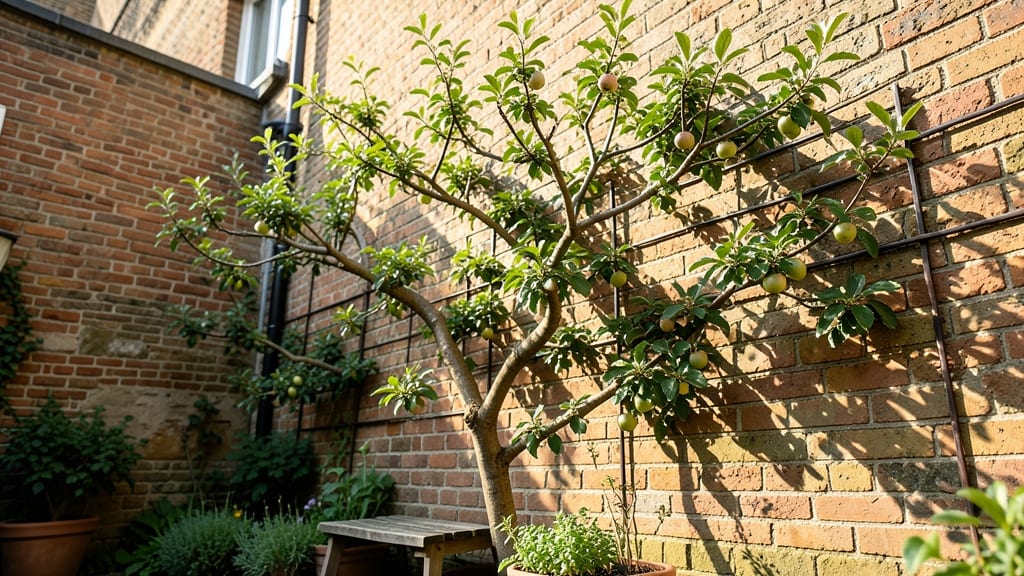
Turn your small garden into a fruit-bearing work of art with espalier training—a technique that flattens trees against walls or fences while maximizing harvests. Perfect for urban spaces or tiny yards, this method lets you grow apples, pears, or even citrus in a fraction of the usual footprint.
Start with young, flexible trees like apple (Malus domestica) or quince (Cydonia oblonga) and train branches horizontally along a trellis or wall. Use soft ties to guide growth, spacing branches 6–12 inches apart for airflow and sunlight. Prune in late winter to remove crossing branches and encourage tiered layers. With patience, you’ll create a living tapestry that blooms beautifully and bears fruit within 2–3 years.
This technique is ideal for urban gardeners or anyone with limited space who still wants a bountiful harvest. Plus, the decorative shapes add elegance to any outdoor wall. 🌟
Coppicing for Multi-Stemmed Woodland Beauty
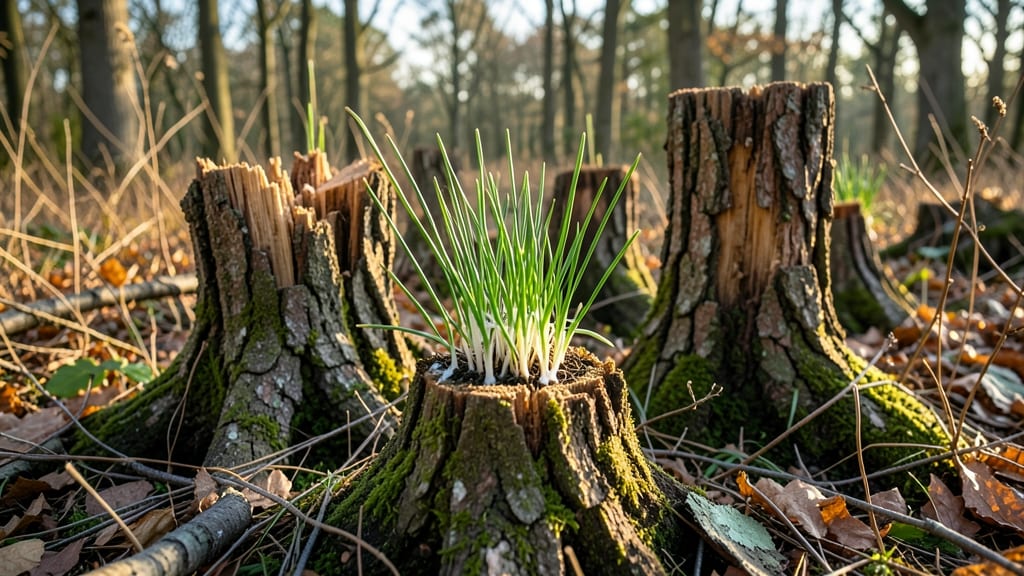
Want to create a natural, rustic woodland look without years of waiting? Coppicing is your secret weapon—this ancient technique transforms trees into thick, multi-stemmed shrubs by cutting stems back to the ground, encouraging bold regrowth.
Start with hardwood species like hazel, willow, or hornbeam in late winter or early spring before buds swell. Cut stems down to 1-2 feet above the ground, leaving a stump. Over time, multiple sturdy stems will sprout from the base, creating a dense, wildly beautiful structure perfect for hedgerows or garden borders. Rotate cuts every few years to maintain vigor.
This method thrives in shady, moist conditions and is ideal for gardeners seeking a low-maintenance, high-impact look. Perfect for woodland enthusiasts or those restoring traditional hedgerows! 🌿
Topiary Sculpting for Formal Garden Designs

Turn your garden into a living canvas with topiary sculpting, where precision meets artistry to create spirals, animals, or geometric forms that define formal landscapes. Unlike other shaping techniques, topiary focuses on year-round structure, blending horticulture with sculpture for a timeless, elegant look.
Start with slow-growing evergreens like boxwood, yew, or privet, which hold their shape well and respond beautifully to pruning. Use sharp, concave-cut shears for clean lines and a wire frame as a guide for complex shapes. Prune gradually—never remove more than one-third of the foliage at a time—to avoid stressing the plant. For intricate designs, sketch your vision first and work in layers, refining details over weeks or months.
This technique is perfect for gardeners who love structured beauty and don’t mind regular maintenance. Whether you’re crafting a classic spiral or a whimsical animal silhouette, topiary adds a touch of old-world charm that elevates any formal garden. ✨
Weeping Tree Pruning for Elegant Cascades
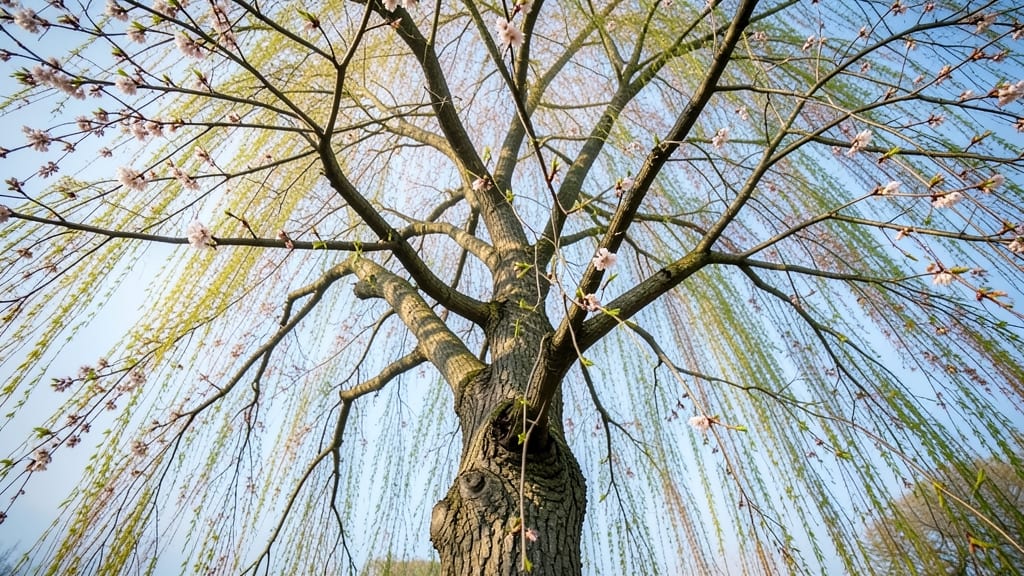
Want to keep your weeping cherry or willow looking like a graceful, flowing fountain rather than a tangled mess? Pruning these trees isn’t about cutting back—it’s about guiding their natural elegance while preventing branches from becoming too heavy or leggy.
Start by removing any dead or crossing branches in late winter or early spring, before new growth begins. Focus on thinning out the outer edges to improve airflow and sunlight penetration, which encourages even growth along the cascading limbs. Avoid cutting more than 25% of the foliage in one season to prevent stress. For young trees, gently shape the canopy by selectively pruning the longest branches to maintain balance.
This method is perfect for gardeners who love the dramatic, romantic look of weeping trees but want to avoid the chaos of unchecked growth. With consistent care, you’ll preserve their natural beauty while keeping them healthy and structurally sound for years. ✨
Layering for Propagation and Bushier Growth
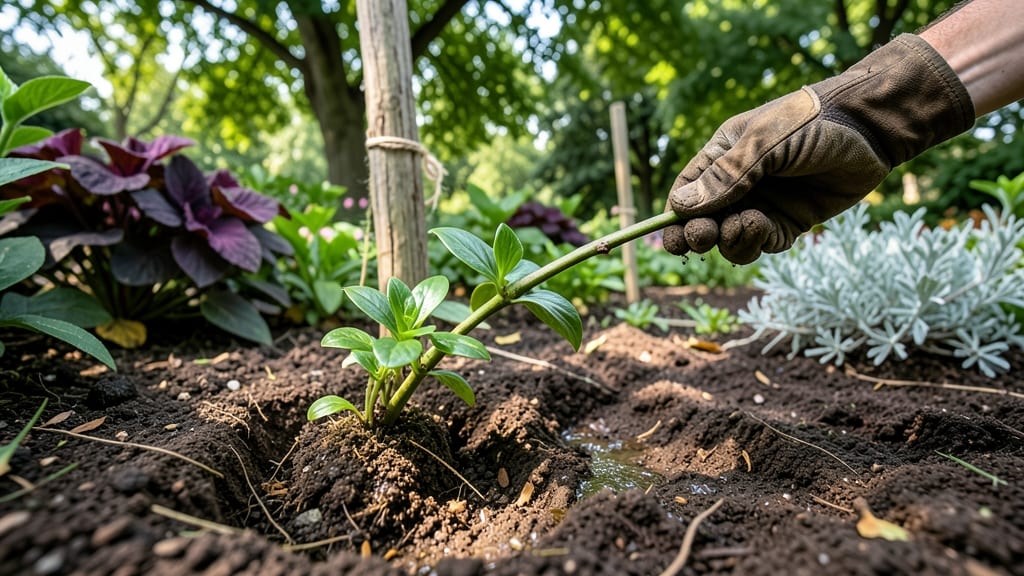
Want to multiply your favorite shrubs or trees without buying new plants? Layering is a simple, natural way to propagate identical clones while thickening your garden’s structure—no greenhouses or expensive cuttings required.
This technique works by bending a low-growing branch to the ground, covering it with soil, and securing it until roots form along the buried section. Perfect for flexible plants like willow, dogwood, or forsythia, layering lets you create multiple identical trees from one parent. Start in early spring when growth is vigorous, and use a small rock or stake to hold the branch in place while keeping the tip exposed for sunlight.
Urban gardeners and small-space growers will love this method—it’s cost-effective, low-maintenance, and produces thriving plants in just a few months. Just be patient; root formation can take 3-6 months before you’re ready to separate the new plant. 🌱
Vine Training on Trellises and Arbors
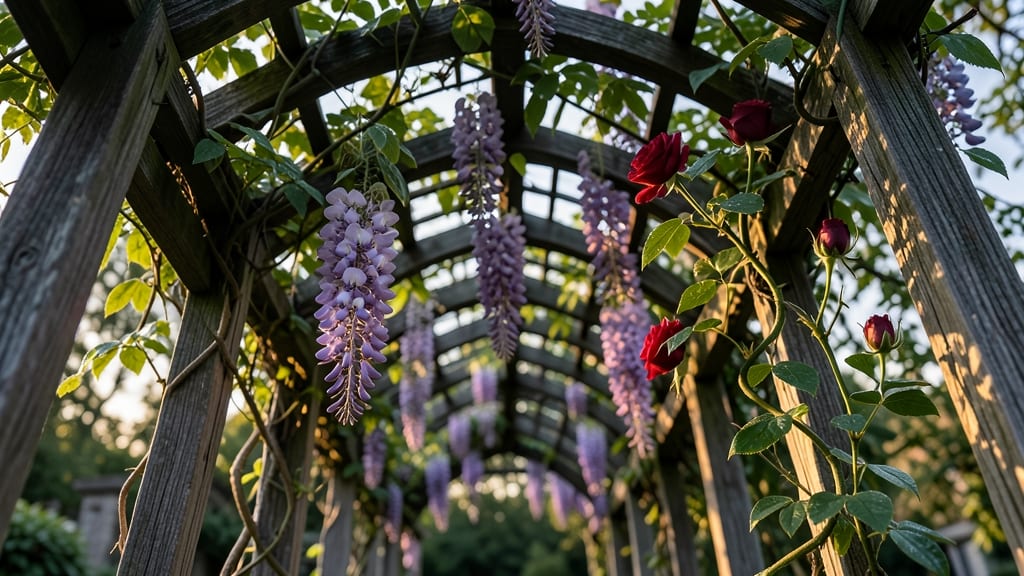
Turn your garden’s vertical space into a living masterpiece by training climbing vines like wisteria or climbing roses on trellises and arbors. This technique isn’t just practical—it creates dramatic focal points that draw the eye upward, adding romance and structure to any landscape.
Start by installing a sturdy trellis or arbor in spring, just as new growth begins. Use soft ties or twine to gently guide young shoots along the structure, ensuring they spiral upward rather than growing in random directions. For fast-growing vines like morning glories, prune aggressively in early summer to encourage bushier, fuller growth. For roses, focus on removing water sprouts (vertical shoots) to maintain a balanced shape. Regular pruning keeps vines manageable and encourages abundant blooms.
This method is perfect for small gardens, urban patios, or even balcony spaces—ideal for gardeners who want to maximize beauty without sacrificing square footage. With the right training, your vines will thrive and transform even the simplest garden into a lush, romantic retreat. 🌷
Deadwooding for Natural, Artistic Silhouettes
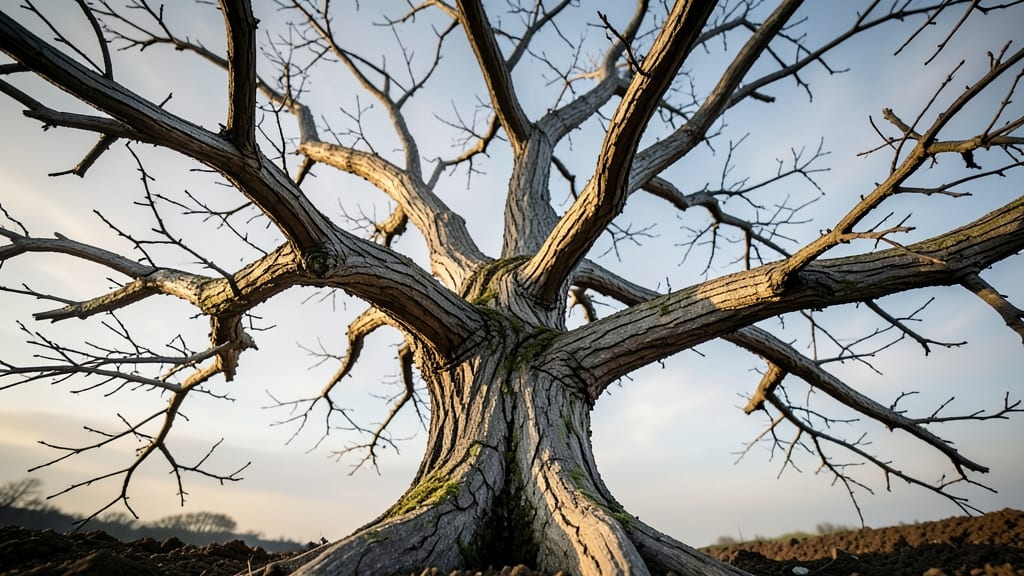
Skip the traditional pruning scissors and embrace the raw beauty of deadwooding—where dead branches become intentional art. This technique transforms skeletal limbs into striking silhouettes that define modern landscape design and bonsai aesthetics.
Instead of removing dead branches entirely, strategically retain them to create abstract forms, contrast with living foliage, or highlight natural textures. Focus on juniper, pine, or maple varieties, where dead branches hold their shape longer. Use a saw to remove only the outer twigs while leaving the main branch intact for structure. This method works year-round but looks most dramatic in winter when the contrast is sharpest.
Perfect for minimalist gardens or urban spaces, deadwooding adds depth without extra maintenance. It’s ideal for gardeners who love textural contrast and want to reduce pruning frequency while boosting visual interest. 🌿
Hedge Shaping with Shear and Thinning

Tired of hedges that look perfect on the outside but struggle with yellowing leaves or weak growth? The secret lies in strategic thinning alongside shearing—this combo keeps your hedge neat and uniform while preventing the dense, suffocating conditions that breed pests and disease.
Start by shearing the outer edges for clean lines, then step back and thin out the interior by selectively removing 10-20% of the oldest stems. This opens up the hedge to sunlight and airflow, which encourages new, healthy growth at the base. For evergreen hedges like boxwood or yew, time your thinning in late winter or early spring before new growth begins, while broadleaf varieties can be shaped in early fall**.
This method is a game-changer for urban gardeners with limited space or anyone maintaining formal hedges—it reduces maintenance time while keeping plants vibrant and disease-free for years. 💚