
Trees
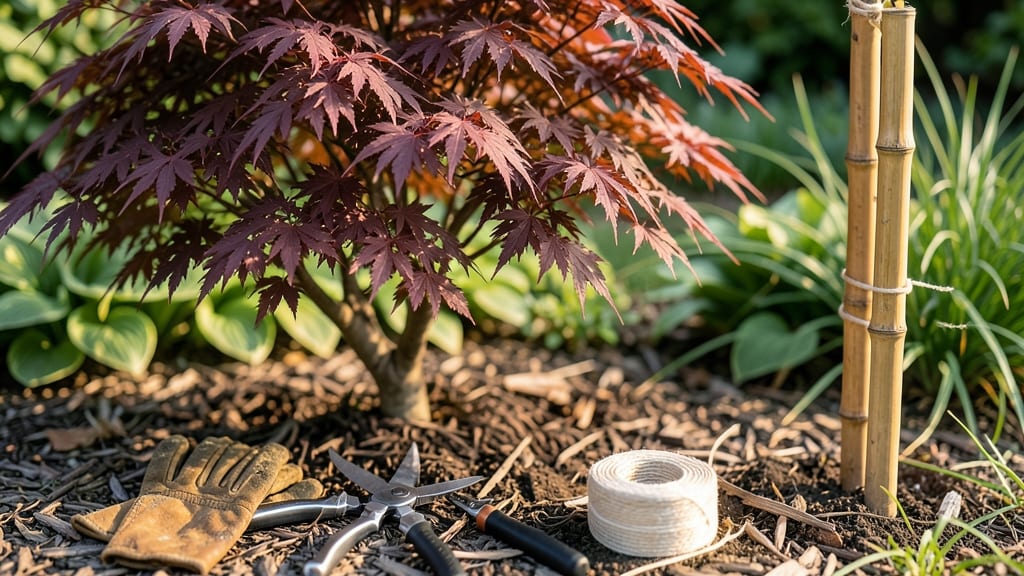
Shaping trees into stunning designs is one of the most rewarding ways to transform your outdoor space with these tree shaping ideas—whether you want a privacy screen, a sculpted focal point, or a space-saving fruit orchard.
Picture this: a wild, overgrown tree suddenly becomes a masterpiece with just a few strategic cuts. That’s the magic of techniques like topiary, espalier, and pollarding—each offering a unique way to control growth, enhance beauty, and even boost fruit production.
But here’s the catch: not all trees respond the same way, and timing matters. Prune at the wrong season, and you could stunt growth or invite pests. The good news? With the right tools and a little patience, you can turn even the most unruly branches into something extraordinary.
In this guide, I’ll walk you through 15 creative shaping ideas, from classic topiary to bold artistic pruning, plus the tools and seasonal tips you need to keep your trees thriving for years to come.
15 Creative tree shaping techniques for pruning and training
Unleash your creativity with tree shaping ideas that turn ordinary trees into extraordinary focal points. Whether you're working with a small urban yard or a sprawling landscape, these techniques let you control growth, enhance beauty, and even maximize space.
The key lies in understanding each method's unique approach—from formal topiary to naturalistic pollarding—and matching it to your tree species and garden goals.
I’ve pruned everything from ornamental cherries to fruit-bearing espalier apples, and the right technique can make all the difference. For instance, pollarding keeps large trees manageable, while bonsai-inspired training transforms small trees into miniature masterpieces.
Let’s explore 15 techniques that will inspire your next pruning project—each with tools, timing, and species-specific tips to ensure success.
15 Tree Shaping Techniques
- 1. Standard Topiary: Geometric shapes like spheres, cones, or spirals using boxwood or yew. Ideal for formal gardens.
- 2. Espalier: Trains trees flat against walls or fences for fruit production or space-saving. Perfect for apples, pears, or grapes.
- 3. Pollarding: Severe yearly pruning to encourage dense foliage. Best for willows, limes, or horse chestnuts.
- 4. Bonsai Training: Miniaturizes trees using wiring, pruning, and repotting. Works with juniper, ficus, or maple.
- 5. Lollipop Pruning: Removes lower branches to create a clean trunk for modern landscapes.
- 6. Weeping Styles: Encourages downward growth in willows or weeping cherries for dramatic effect.
- 7. Tiered Espalier: Creates horizontal layers for fruit trees or decorative screens.
- 8. Naturalistic Pruning: Mimics wild, organic shapes while maintaining health. Great for oak or beech.
- 9. Hedge Shaping: Uniform cuts for privacy or borders using privet, boxwood, or holly.
- 10. Cordon Training: Grows trees in a single vertical stem with lateral branches for fruit production.
- 11. Deadwood Art: Preserves natural dead branches for texture and wildlife habitat.
- 12. Multi-Stemmed Trees: Encourages multiple trunks for a whimsical look (e.g., dogwood or crabapple).
- 13. Vase-Shaped Pruning: Opens the center for light while keeping a rounded canopy.
- 14. Canopy Lifting: Raises lower branches to create clearance under trees.
- 15. Living Sculptures: Combines multiple species into artistic forms (e.g., twisted trunks or intertwined branches).
Each technique offers unique benefits—choose based on your tree type, space, and aesthetic vision!
Let’s dive deeper into how to execute these techniques. For standard topiary, start with young, flexible branches like those of boxwood or yew. Use sharp pruning shears to create clean lines, and shape in late spring or early summer when growth is active.
My first attempt at a spiral topiary was messy, but practicing on smaller branches first made all the difference.
For espalier training, the key is patience. Begin in early spring by selecting 3-5 main branches and tying them to a trellis or wall using soft garden twine. Prune back lateral shoots to encourage horizontal growth.
I trained a dwarf apple tree this way along my fence, and now it produces abundant fruit while adding vertical interest to my yard.
Pollarding is a bold technique that requires regular maintenance. Cut back branches to a stub or "pollard head" in late winter to stimulate dense, new growth. This method works beautifully with willow trees and is often used in parks for large shade trees. Just be prepared for a dramatic first pruning—your tree may look shocking at first, but it’ll bounce back stronger.
If you’re drawn to bonsai-style training, focus on root pruning and wiring branches to guide growth. Use aluminum bonsai wire to gently shape branches, and repot every 2-3 years to refresh the soil.
My juniper bonsai took years to refine, but the process is meditative and rewarding. Start with a small container and a fast-draining mix to avoid root rot.
For naturalistic pruning, the goal is to enhance the tree’s natural form. Remove only dead, crossing, or diseased branches, and avoid geometric cuts. This approach works well with oak, maple, or beech trees and creates a wild, organic feel.
I’ve used this technique on a young oak in my backyard, and it’s thrived with minimal intervention.
When shaping trees, timing is everything. Most pruning should happen in late winter or early spring before new growth begins. However, light pruning for aesthetics can be done in summer or early fall.
Avoid heavy pruning in fall, as it can stimulate tender growth that won’t harden off before winter. Always sterilize your tools with rubbing alcohol to prevent disease spread.
Don’t forget about tools and safety. A sharp bypass pruner is essential for clean cuts, while loppers or a pruning saw handle thicker branches. For large trees, consider renting a pole saw or hiring a professional.
Wear gloves and safety goggles, and always look up before making cuts—you don’t want a branch falling unexpectedly!
Finally, experiment with unconventional shapes like living sculptures or deadwood art. These techniques add texture and intrigue to your garden. For example, I incorporated a twisted hawthorn into a living sculpture by weaving its branches with those of a willow.
The result? A one-of-a-kind focal point that draws compliments from neighbors.
Ready to transform your trees
How to choose the right tree shaping method for your yard
Selecting the perfect tree shaping method depends on your yard's unique needs and goals. Whether you want a privacy screen, a fruit-bearing structure, or simply a decorative focal point, the right technique transforms your outdoor space into a functional work of art.
Start by assessing your tree type, available space, and climate conditions—these factors will guide your decision.
For example, espalier trees work beautifully in small yards, while pollarding suits large, mature trees that need height control. If you're aiming for a lush green hedge, topiary might be your best bet.
Let’s break down how to match your vision with the right method using this simple guide to help you navigate your options effortlessly.
🌱 summary-table
| Goal | Best Technique | Ideal Tree Types | Space Needs |
|---|---|---|---|
| Privacy Screen | Hedge Pruning | Boxwood, Yew, Arborvitae | Compact to Medium |
| Fruit Production | Espalier | Apple, Pear, Citrus | Small to Medium |
| Decorative Focal Point | Topiary | Beech, Holly, Lime | Medium to Large |
| Height Control | Pollarding | Willow, Oak, Maple | Large |
| Space-Saving | Standard Pruning | Dwarf Varieties | Small |
Consider your local climate when choosing a shaping method. For example, pollarding is ideal for trees in humid climates where you want to encourage dense foliage growth. In contrast, espalier training thrives in cooler regions where fruit trees benefit from controlled exposure.
Always opt for techniques that align with your tree’s natural growth patterns to ensure long-term health.
If you're working with young trees, focus on training techniques like espalier or standard pruning to guide their growth from the start. For mature trees, consider more dramatic methods like pollarding or topiary to reshape them without harm.
Always prioritize tree health—never remove more than 25% of the canopy in a single session to avoid stressing the tree.
Finally, think about maintenance requirements. Some methods, like topiary, require frequent trimming to maintain their shape, while others, like standard pruning, need less upkeep. Choose a technique that fits your time and effort commitment.
With the right approach, your yard will not only look stunning but also remain low-maintenance and healthy for years to come.
Ready to transform your yard? Start by sketching your vision and selecting a method that aligns with your goals, tree type, and available space. Happy shaping! 🌳