
Trees
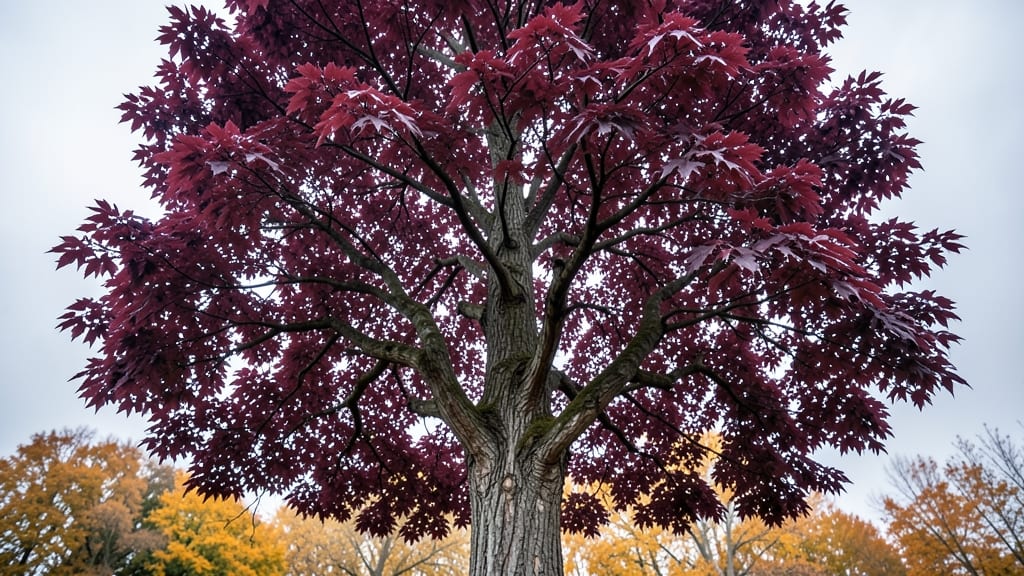
Transform your garden into a vibrant purple paradise with these 10 stunning tree varieties. From bold foliage to delicate blooms, these purple trees add year-round drama and curb appeal to any landscape.
Japanese Maple Purple Smoke
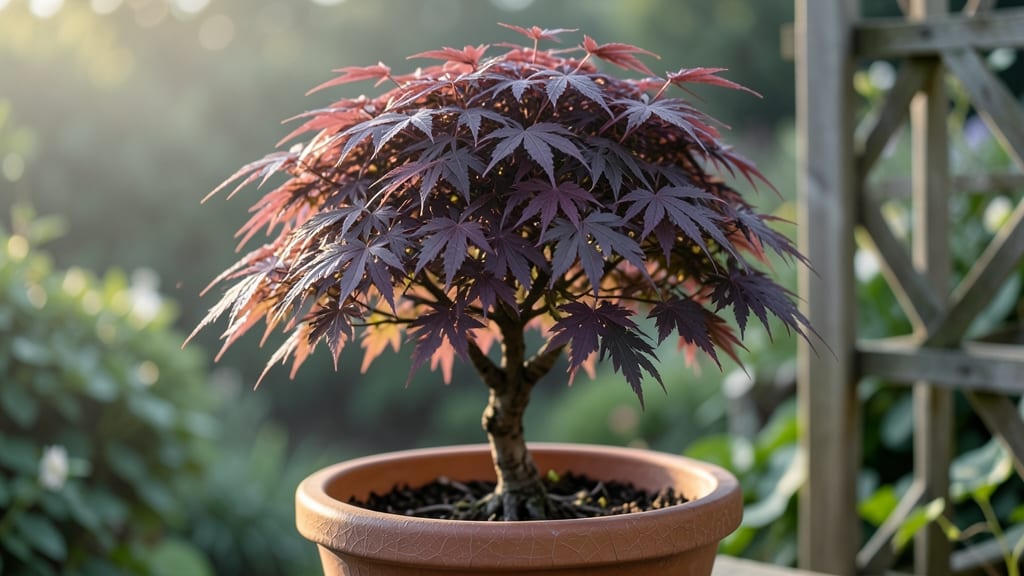
Looking for a purple tree that fits perfectly in tight spaces? The Japanese Maple Purple Smoke delivers all the drama of a full-sized tree in a compact, container-friendly package. This dwarf variety grows just 3-5 feet tall, making it ideal for patios, small yards, or even large pots on your balcony.
Its smoky purple leaves emerge in spring and maintain their rich color throughout summer, before transforming into fiery red hues in fall. Thrives in partial shade (3-6 hours of sun) and well-drained soil—perfect for urban gardeners or those with limited sunlight. Water regularly the first year to establish roots, then reduce to weekly watering once established.
This low-maintenance beauty requires minimal pruning and resists most pests, making it a beginner-friendly choice. Place it near seating areas to enjoy its seasonal color changes year after year. 🌻
Royal Purple Smokebush
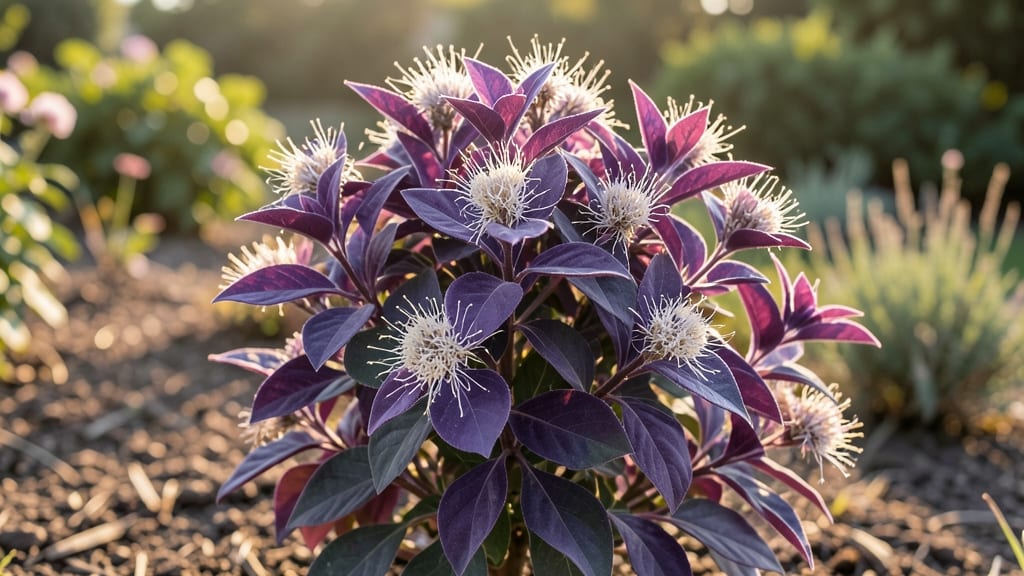
If you're craving a low-maintenance purple powerhouse that thrives even in dry spells, the Royal Purple Smokebush delivers year-round drama with minimal effort. This drought-tolerant stunner sports velvety purple foliage that glows under full sun and attracts pollinators with its fragrant summer blooms.
Native to North America, this shrub-like tree handles urban conditions beautifully—from pavement heat to poor soil—while requiring only occasional pruning. Its airy, arching branches create natural privacy screens, and the white summer flowers provide nectar for bees and butterflies. For best results, plant in well-drained soil and water sparingly once established.
Perfect for modern landscapes, pollinator gardens, or small urban yards, this plant offers year-round interest with minimal fuss. 💚
Purple Leaf Plum Tree
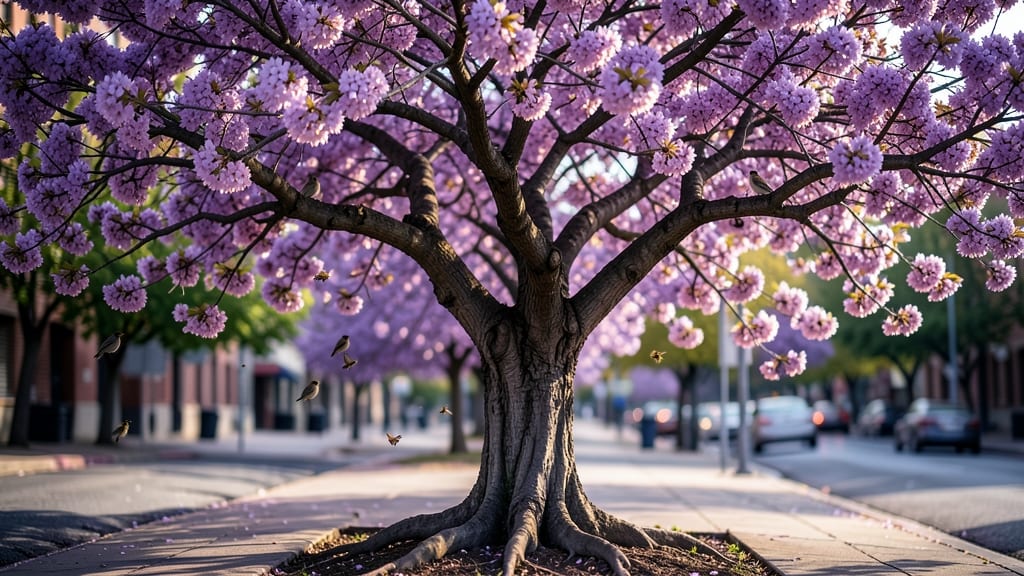
Looking for a low-maintenance tree that doubles as a wildlife magnet? The purple leaf plum tree delivers with its deep purple foliage and fragrant spring blossoms, creating a showstopper that thrives in urban settings. Unlike its delicate cousins, this tree handles city pollution and compacted soil with ease, making it ideal for streetscapes and small yards.
Plant it in full sun to partial shade for maximum color intensity, and expect pink-white flowers in early spring that attract bees and butterflies. The tree’s disease-resistant nature means fewer pesticides, while its moderate growth rate (20-30 feet tall) fits well in both formal and naturalistic landscapes. Prune lightly after flowering to maintain shape.
Perfect for eco-conscious gardeners and city planners, this tree offers year-round interest—purple leaves in summer, winter bark texture, and even edible (though tart) fruits for birds. 🌟
Amethyst Fall Fuchsia Tree
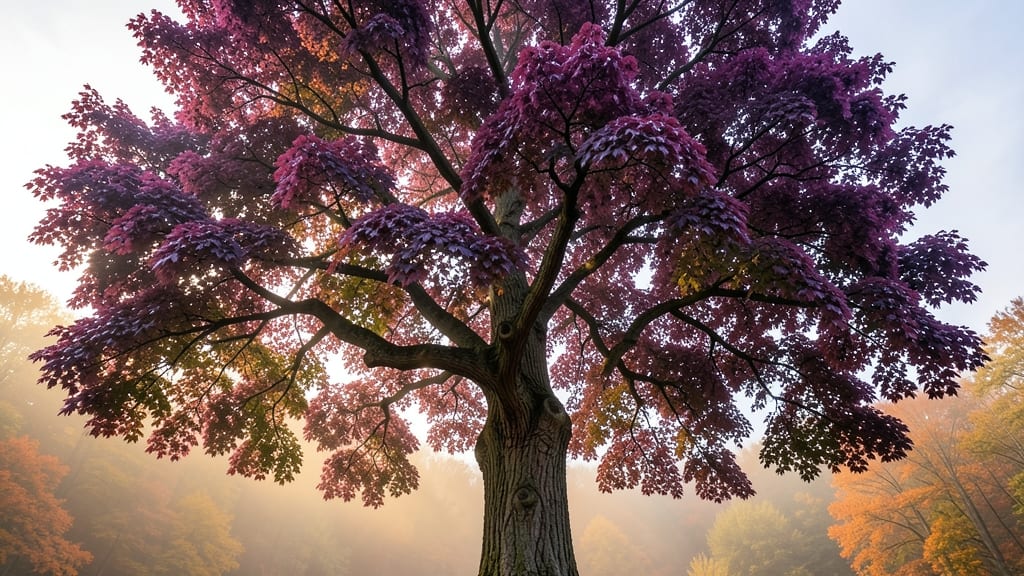
If you want a fast-growing tree that delivers a seasonal color show without the wait, the Amethyst Fall Fuchsia Tree is your answer. Unlike trees that peak in spring or summer, this standout intensifies its deep purple foliage as fall arrives, creating a dramatic shift from summer to autumn.
Native to the southeastern U.S., this small to medium-sized tree thrives in USDA Zones 5-9 and reaches 20-30 feet tall, making it ideal for suburban backyards or as a focal point in cottage-style gardens. It prefers full sun to partial shade and tolerates a range of soil types, though well-draining soil prevents leaf scorch. Prune in late winter to shape and encourage dense growth.
Landscape designers love this tree for its low-maintenance nature and ability to anchor garden beds with bold color. Perfect for gardeners who want year-round interest with minimal effort, it’s especially stunning when planted near golden or yellow foliage plants to create a vibrant contrast. 🌟
Purple Heart Crepe Myrtle
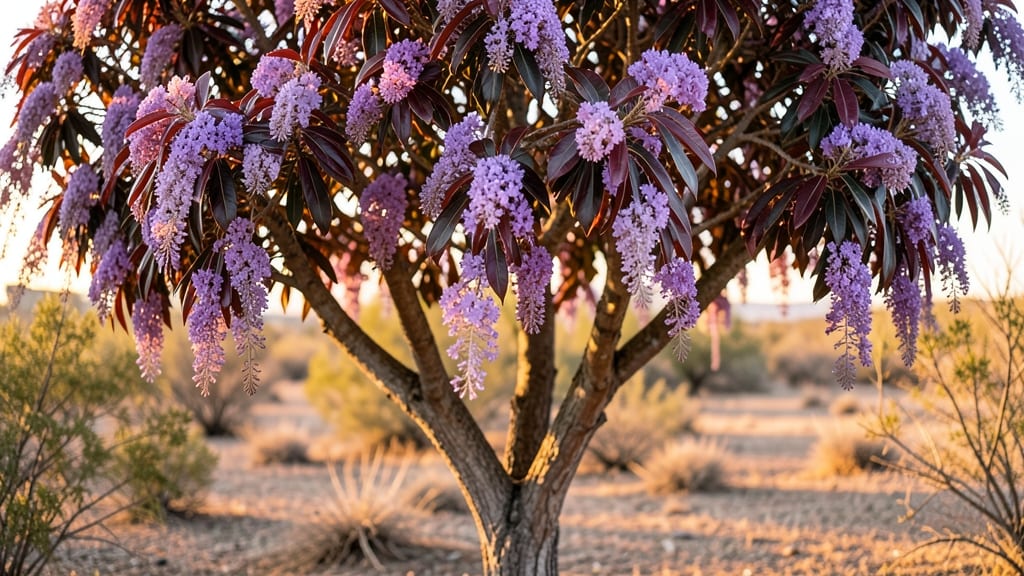
If you're looking for a heat-tolerant tree that thrives in Southern climates and drought-prone areas, the Purple Heart Crepe Myrtle delivers stunning color and resilience. This versatile tree features cascading purple foliage that remains vibrant throughout the summer, paired with clusters of delicate lavender blooms that attract pollinators.
Perfect for full sun exposure, this low-maintenance tree requires minimal water once established, making it ideal for water-wise gardens. Prune in late winter to shape the tree and encourage new growth, and mulch around the base to retain moisture. Its drought-resistant nature and adaptability to various soil types make it a standout choice for hot, dry regions.
Southern gardeners and urban landscapers will appreciate its ability to thrive in challenging conditions while adding a pop of color to any landscape. 🌻
Purple Leaf Sand Cherry
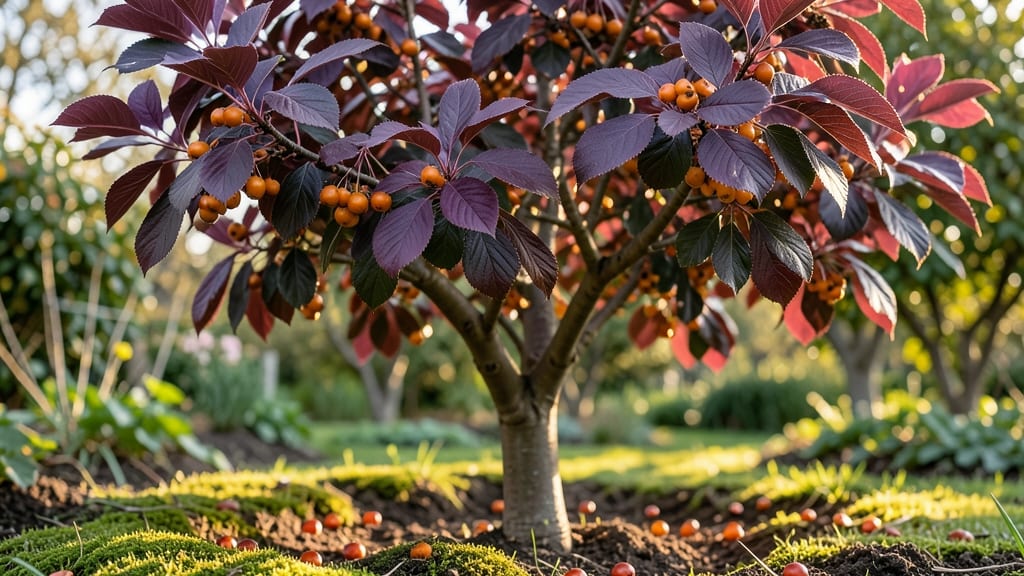
Want a tree that doubles as both a stunning visual centerpiece and a productive edible? The Purple Leaf Sand Cherry (Prunus pumila) delivers with its deep purple foliage and clusters of tart, cherry-like fruits—ideal for permaculture enthusiasts and food forest gardeners.
This low-maintenance tree thrives in full sun to partial shade and handles poor, rocky, or sandy soils better than many ornamentals. The small, tart cherries ripen in late summer and attract birds, while the vibrant purple leaves provide year-round interest. Plant it near pathways or in wildflower meadows for a natural, edible landscape.
Perfect for beginners and eco-conscious gardeners, this tree offers dual benefits without sacrificing beauty. 🌱
Black Lace Elderberry
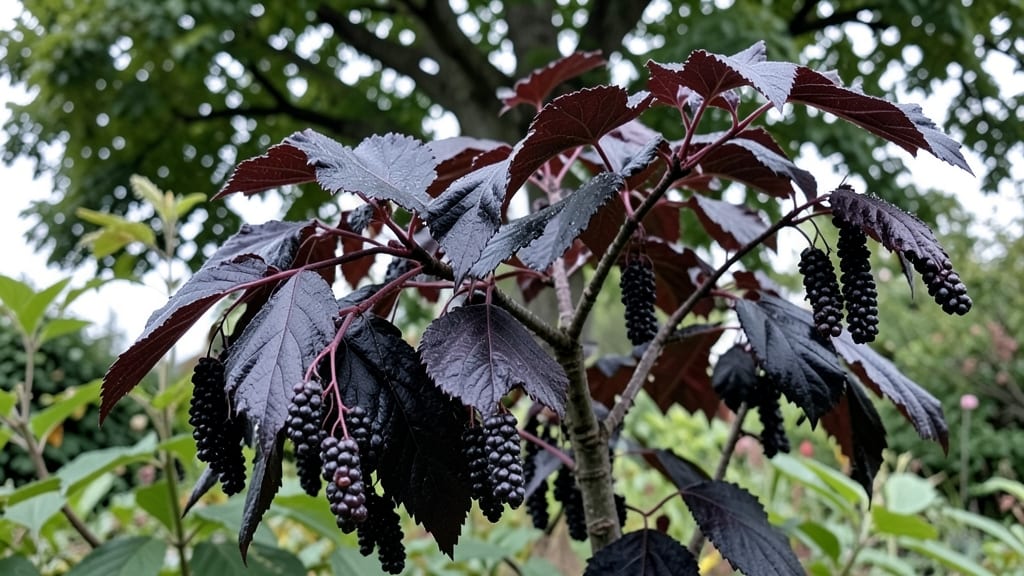
Looking for a native plant that doubles as both a stunning visual statement and a wildlife magnet? The Black Lace Elderberry delivers with its dramatic black-purple foliage and clusters of edible berries that birds adore. This versatile hybrid thrives in USDA Zones 3-8, making it perfect for colder climates where other purple trees might struggle.
This low-maintenance shrub/tree hybrid reaches 6-12 feet tall, offering year-round interest with its dark foliage that contrasts beautifully against golden autumn leaves. The berries ripen in late summer, providing a food source for birds while adding a pop of color. Plant it in full sun to partial shade with well-drained soil—it tolerates both urban and rural settings equally well.
Ecologically minded gardeners will love how this plant supports native pollinators and birds while requiring minimal care. It's ideal for hedges, wildlife gardens, or as a focal point in organic landscapes. 🌿
Purple Smoke Bush Clethra
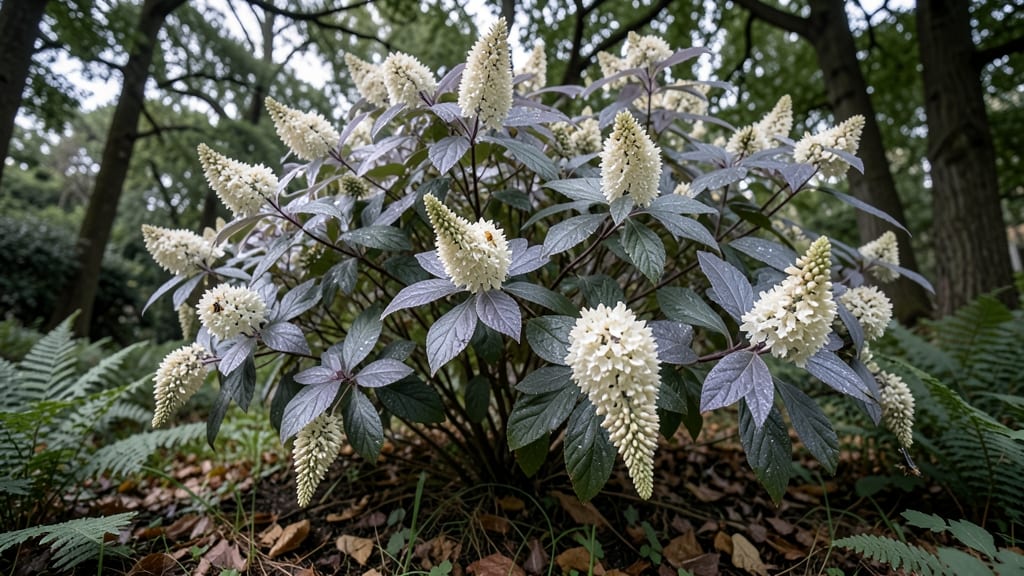
Looking for a pollinator magnet with a fragrant twist? The Purple Smoke Bush Clethra delivers summer-long blooms that hummingbirds and bees adore, paired with muted purple foliage that adds subtle elegance to woodland gardens.
This deciduous shrub thrives in moist, well-drained soil and partial shade, making it ideal for understory plantings or near water features. Its white, lacecap-like flowers bloom from mid-to-late summer, releasing a sweet, spicy fragrance that perfumes the air. Prune lightly after flowering to maintain its compact, multi-stemmed form.
Perfect for gardeners seeking low-maintenance beauty with ecological benefits, this native-friendly plant also handles humidity well, making it a standout choice for eastern U.S. landscapes. 🌿
Royal Purple Weeping Willow
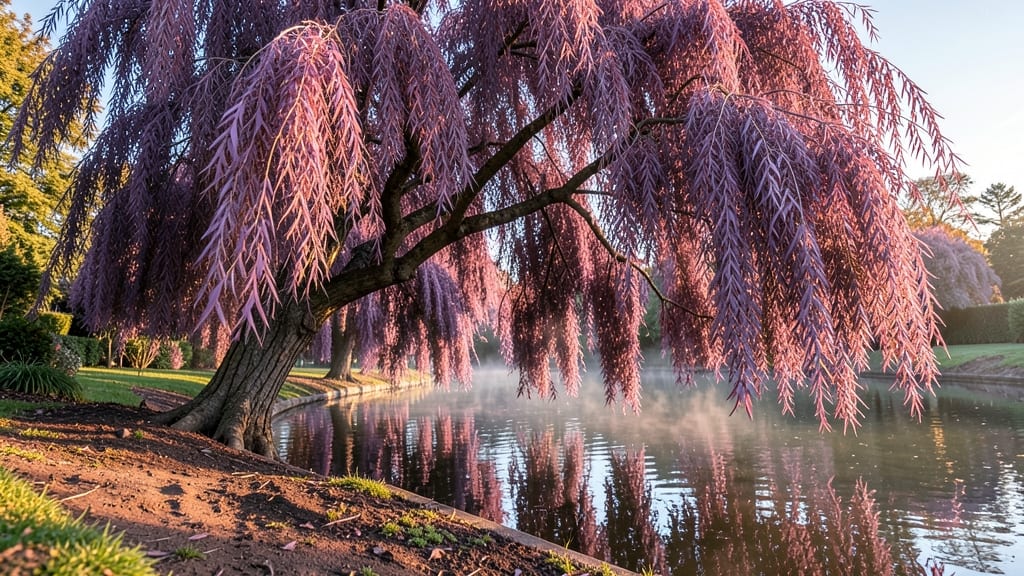
Looking to add a dramatic focal point that blends water features with striking foliage? The Royal Purple Weeping Willow brings a cascading waterfall of purple-tinted leaves to ponds, streams, or even large containers.
This tree thrives in moist, well-drained soil and reaches heights of 20-30 feet with a spread of 15-20 feet, making it ideal for anchoring garden centers. Its graceful, weeping branches create a natural curtain effect, while the rich purple foliage contrasts beautifully with water reflections. For best results, plant it near a water source where its branches can gracefully drape over edges.
Perfect for landscape designers and homeowners with large properties, this willow adds year-round visual interest and a serene, almost mystical quality to any garden. 🌻
Purple Leaf Beech Tree

For gardeners seeking a timeless statement piece, the purple leaf beech tree (Fagus sylvatica 'Purpurea') delivers year-round elegance with its deep purple foliage that transitions to golden hues in autumn. Unlike many purple trees that fade in winter, this deciduous beauty offers structural interest even when bare, thanks to its smooth, silvery-gray bark.
Thriving in partial to full shade, it’s ideal for formal gardens where other shade-loving trees might lack color. Plant it as a solitary specimen in lawns or pair it with evergreens for contrast. Prune sparingly to maintain its pyramidal shape, and ensure well-drained soil to prevent leaf scorch. The rich fall color makes it a standout in seasonal displays.
Perfect for landscape designers and homeowners who want low-maintenance drama, this tree elevates any garden with its architectural presence and seasonal versatility. 🌻