
Trees
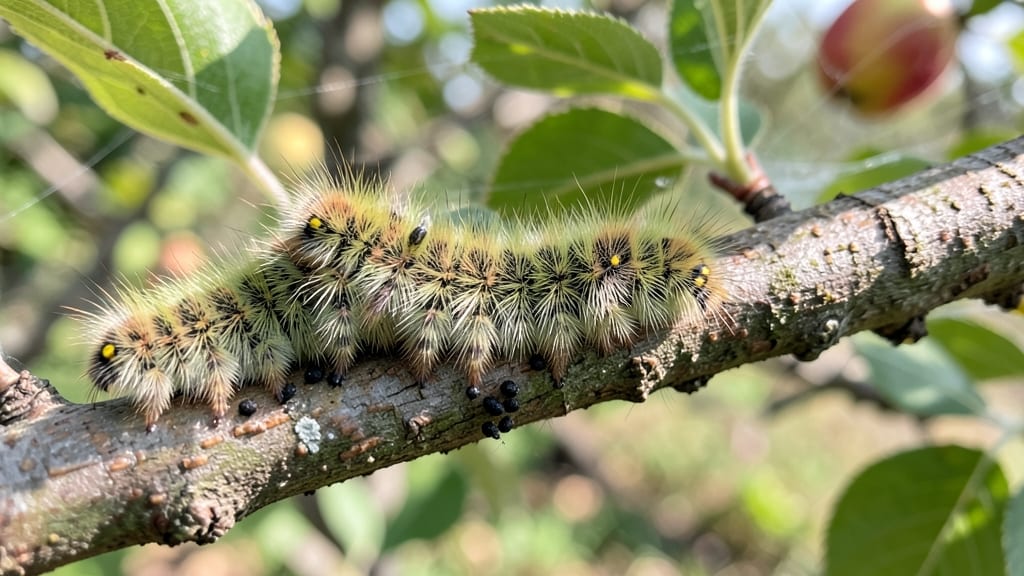
When tree-killing worms strike, your once-vibrant oak or maple can turn into a hollow shell in months. 🌳 I’ve watched entire trees collapse from borers and grubs—until I learned the fast signs and solutions that actually work.
The key isn’t just treating the damage but stopping the worms before they win.
Look for these red flags: wilting leaves despite watering, sawdust-like frass near the trunk, or holes in the bark. Borers tunnel under the bark, while grubs chew roots, leaving your tree starving. The damage starts small—so act now before the worms move deeper into the wood.
You’ll need a mix of organic and targeted treatments: nematodes for grubs, borer traps for adults, and pruning to remove infested branches. Healthy soil with mycorrhizal fungi also gives trees a fighting chance. With the right approach, you can save even severely stressed trees in weeks, not years.
Prevention is easier than cleanup—regular inspections, proper pruning, and mulching to deter pests. Here’s how to turn your tree’s decline around before it’s too late.
Hidden Invaders Behind Bark
When your once-vibrant trees start wilting, losing leaves, or oozing sap, the culprit might be tiny but devastating: tree-killing worms. These pests don’t just nibble—they devour from the inside out, turning your green giants into hollow shells.
But why do they strike? The answer lies in a mix of environmental stress, human activity, and the worms’ own biology. Let’s break down the root causes—literally.
Healthy trees are resilient, but stress weakens their defenses, making them prime targets. Worms like the emerald ash borer or gypsy moth larvae zero in on trees already struggling with:
- Drought or poor soil: Trees deprived of water or nutrients produce thinner bark and sap, which worms find easier to penetrate. Pro tip: 💡 Regularly mulch and water deeply (1–2 inches per week) to keep bark thick and sap flowing.
- Disease or pest damage: Fungal infections (like hypoxylon canker) or prior infestations create entry points. Worms exploit these wounds like a backdoor.
- Root disturbances: Construction, compacted soil, or girdling roots starve the tree’s upper canopy, signaling worms that it’s an easy meal. Action step: 🌡️ Test soil pH and aerate roots if your tree’s growth stalls.
🔍 Sign to watch for: Wilting leaves, vertical cracks in bark, or sawdust-like frass (worm poop) at the base.
Worms thrive in dense forests or urban landscapes where trees are packed too closely. Why? Three reasons:
- Limited airflow: Humid, stagnant conditions (like under a thick canopy) create the perfect worm breeding ground. Example: Gypsy moth caterpillars multiply 10x faster in shaded, moist areas.
- Shared resources: Trees competing for sunlight and water produce weaker bark, making them easier targets. Fix: 🎯 Prune lower branches to improve airflow and reduce humidity near the trunk.
- Human movement: Firewood, nursery plants, or even hiking boots can unwittingly transport worm eggs between trees. Rule: 🚫 Inspect firewood for bore holes before moving it; quarantine new plants for 2 weeks.
📊 Did you know? A single infested tree can release thousands of worms in 1–2 years, turning a single victim into an epidemic.
These pests aren’t random—they follow a predictable, destructive cycle tied to tree biology:
| Stage | What Happens | Tree’s Weakness Exploited |
|---|---|---|
| Egg Laying | Adult worms (or moths) deposit eggs in bark crevices, under loose bark, or in soil near roots. | Cracks in bark (from drought/sun) or soft, peeling bark (common in willows or elms). |
| Larval Hatching | Larvae tunnel into the cambium layer (the tree’s "food pipeline"), disrupting nutrient flow. | Thin bark (young trees) or compromised sap flow (stressed trees). |
| Pupation | Larvae pupate under bark, emerging as adults to repeat the cycle. | Moist, undisturbed bark (like in mulch piles or dense foliage). |
✨ Key insight: Worms don’t kill trees instantly—they take 1–5 years to fatally weaken them. Early detection (like D-shaped exit holes or serrated leaf edges) can save your tree.
Understanding these triggers is your first line of defense. Next, we’ll cover how to spot an infestation before it’s too late—and what to do if you find them.
Stopping Tree-Killing Worms Fast
Discovering that tree-killing worms—like Sirex woodwasps, emerald ash borers, or gypsy moth larvae—are feasting on your trees can feel like a nightmare. But don’t panic! With the right approach, you can save your trees and even prevent future infestations.
Below, we break down practical solutions tailored to the most common causes of worm damage, from early detection to long-term protection.
The first step in saving your tree is knowing who you’re dealing with. Different worms require different treatments, so accurate identification is key. Here’s how to tell them apart:
| Worm Type | Signs of Infestation | Quick Fix |
|---|---|---|
| Emerald Ash Borer (EAB) | D-shaped exit holes, splitting bark, and wilting leaves (even in summer). | Apply systemic insecticides (like imidacloprid) before symptoms appear. For severe cases, remove and replace the tree. |
| Gypsy Moth Larvae | Defoliated branches, silken webs, and brown frass (droppings) on leaves. | Use Bt (Bacillus thuringiensis) spray (safe for humans/pets) or pheromone traps to disrupt mating. |
| Sirex Woodwasps | Small, black-and-yellow striped wasps, sawdust-like frass at the base, and fungus growth in tunnels. | Inject fungal treatments (like Amylostereum areolatum) into the tree’s sapwood to starve larvae. |
| Root Weevil Larvae | Yellowing leaves, grub-like worms in soil, and wilting despite watering. | Apply nematodes (beneficial worms) or granular insecticides (like bifenthrin) to the root zone. |
Pro Tip: 💡 If you’re unsure, snap a photo and send it to your local cooperative extension service—they’ll help ID the pest for free!
Once you’ve ID’d the culprit, act fast. Early intervention is the best defense. Here’s how to treat different stages of infestation:
🔪 Chemical Treatments (For Severe Cases)
If worms have already caused significant damage, chemical solutions may be necessary. Always follow label instructions and wear protective gear.
- Systemic Insecticides (e.g., imidacloprid, dinotefuran):
- Inject or drench the soil to kill larvae as they feed.
- Best for EAB, borers, and weevils.
- 🌡️ Apply in early spring before worms become active.
- Contact Sprays (e.g., permethrin, lambda-cyhalothrin):
- Spray directly on foliage or bark to kill visible larvae.
- Works well for gypsy moths and tent caterpillars.
- ⏰ Reapply every 2–4 weeks during peak season.
- Soil Drenches (e.g., carbofuran granules):
- Target root-feeding larvae like weevils.
- 🚫 Avoid if pets/kids play near the tree—toxic if ingested.
🌿 Organic & Natural Remedies
Prefer eco-friendly solutions? These methods are safer for the environment and can be just as effective:
- Beneficial Nematodes (Steinernema carpocapsae):
- Microscopic worms that paralyze and kill pest larvae in the soil.
- 💡 Best for root weevils and grubs—apply in spring or fall.
- Neem Oil Spray:
- Disrupts larvae feeding and mating.
- Mix 1 tbsp neem oil + 1 tsp mild soap per gallon of water and spray foliage.
- ✨ Reapply every 7–10 days during outbreaks.
- Pheromone Traps:
- Confuses adult moths/wasps, reducing egg-laying.
- Best for EAB, gypsy moths, and bark beetles.
- 🎯 Place traps in early spring before pests emerge.
- Prune & Burn:
- Cut and destroy infested branches (don’t compost!) to remove eggs/larvae.
- 🔥 Sterilize pruning tools with rubbing alcohol between cuts.
The best way to save your trees long-term is to stop worms before they start. Here’s how to build a worm-proof defense:
🌳 Tree Health First
A healthy tree is less vulnerable to worm attacks. Focus on these basics:
- Water Deeply & Regularly:
- Drought-stressed trees are easier targets.
- 💧 Water 1 inch per week (deep soak, not surface sprinkling).
- Fertilize Properly:
- Use a balanced, slow-release fertilizer (e.g., 10-10-10) in early spring.
- 🚫 Avoid over-fertilizing—it attracts pests like borers.
Frequently asked questions
How do I know if my tree has worm damage?
Look for these key signs: D-shaped exit holes in bark (borers), sawdust-like frass at the base (worm poop), or sudden wilting despite watering. Also check for serrated leaf edges (gypsy moths) or fungus growth near tunnels (Sirex wasps). If you see these, act fast!
Are chemical treatments safe for my tree?
Yes, but use them carefully! Systemic insecticides like imidacloprid are effective but should be applied by professionals for large trees. For organic options, try neem oil or beneficial nematodes—these target larvae without harming the tree. Always follow label instructions!
Can I save a tree already showing severe damage?
It depends! If the tree is still alive (green leaves, flexible branches), prune infested branches immediately and treat with systemic insecticides or fungal treatments. For advanced cases, consult an arborist—they may recommend cabling or removal if the tree is structurally compromised.
What’s the best time of year to treat worm infestations?
Early spring (March-April) is ideal—worms are most vulnerable as they emerge. For root weevils, treat in fall when larvae are active. Avoid summer heat, which stresses trees and makes them more susceptible to damage.
How do I prevent worms from spreading to other trees?
Isolate infested trees, sterilize tools between cuts, and remove mulch near the trunk to reduce humidity. Quarantine new plants for 2 weeks and inspect firewood for bore holes before moving it. Pheromone traps also help disrupt mating cycles!