
Pruning
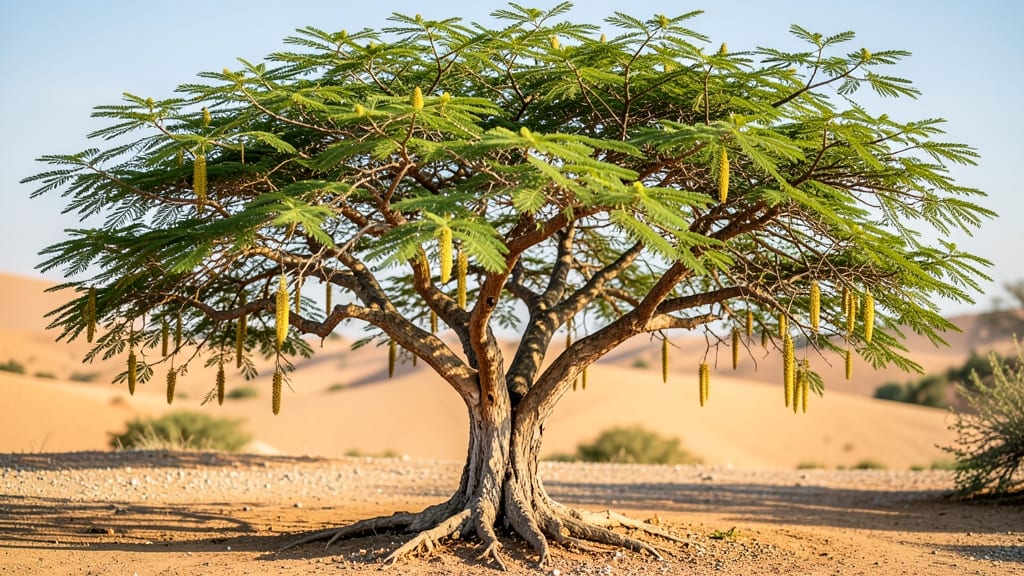
The Shami tree in English is called the Syrian pistachio (Pistacia terebinthus), also known as terebinth or Mediterranean pistachio, prized for its ornamental foliage and edible nuts in some regions.
The Shami tree, or Syrian pistachio, belongs to the cashew family and thrives in dry, sunny climates—think Mediterranean or Middle Eastern landscapes. 🌿 While its nuts are edible in some areas, they're often smaller and less sweet than commercial pistachios.
This tree's real star power comes from its striking, silvery foliage that adds texture to gardens, plus its historical ties to ancient resin production and sacred groves.
If you're considering growing one, expect a slow but steady grower that can reach 30 feet tall with proper care. Native to rocky hillsides, it's surprisingly adaptable to well-drained soils and drought once established.
The key to cultivation lies in its resilience—this tree has been surviving for centuries in harsh conditions, making it a low-maintenance choice for experienced and beginner gardeners alike.
💡 In This Article
- Botanical Classification and Historical Origins of the Shami Tree
- Growing and Caring for Shami Trees in Home Gardens
Botanical classification and historical origins of the Shami tree
The Shami tree, scientifically classified as Pistacia terebinthus, belongs to the Anacardiaceae family—same as cashews and mangoes—but it's the only pistachio species native to Europe and the Mediterranean basin.
Its genus name, Pistacia, traces back to the Latin word for "pistachio," while terebinthus derives from Greek, referencing the tree's historic role in producing terebinth resin, a fragrant substance used in perfumes and incense since 3000 BCE. 🌿 This resin, harvested by tapping the bark, was so valued it was even mentioned in ancient Egyptian medical texts for treating wounds and skin ailments.
The tree's natural range spans from Portugal to Iran, thriving in arid, rocky soils where annual rainfall hovers around 12-20 inches. Unlike commercial pistachios, which prefer deeper, richer soils, P. terebinthus has evolved to survive on nutrient-poor limestone substrates.
Its roots extend deep to access groundwater, while its silvery-blue leaves contain tiny glands that reduce water loss—a perfect adaptation for its native Mediterranean climate. The nuts themselves are 10-15mm long, often bitter when raw but edible when roasted, though they're rarely cultivated commercially.
Historically, this tree held sacred significance in ancient cultures. In Phoenician and Roman traditions, terebinth groves were considered divine, often planted near temples as offerings to gods like Jupiter.
The resin's aromatic properties made it a key ingredient in early perfumery, while the wood was prized for making bows and musical instruments.
Even today, some Middle Eastern communities use the tree's leaves in traditional teas for their mild digestive benefits, though scientific validation remains limited. 🌟 What's fascinating is how this tree's dual role—as both a practical resource and a spiritual symbol—has persisted for millennia across civilizations.
The Shami tree's botanical quirks extend to its reproductive strategy. It's dioecious, meaning male and female flowers grow on separate trees, which explains why you won't find nuts on every specimen. Female trees produce the characteristic clusters of small, round fruits that turn from green to reddish-brown when ripe.
These fruits contain the nuts, which are encased in a thick, fibrous husk that must be cracked open—unlike the easier-to-shell commercial pistachios we're familiar with. This labor-intensive process likely contributed to the tree's limited commercial cultivation.
Modern horticulture has rediscovered the Shami tree's ornamental value. Its evergreen foliage provides year-round interest, while its bright yellow spring flowers attract pollinators. In Mediterranean gardens, it's often used as a specimen tree or in mixed shrub borders where its drought tolerance and salt resistance make it an excellent choice.
The tree's ability to thrive in USDA hardiness zones 7-10 has also made it popular in California and southern European landscapes, where it serves as both an ecological and aesthetic asset. 🌳
What many gardeners don't realize is that the Shami tree's historical uses extend to its bark and leaves. The terebinth resin, when purified, contains alpha-pinene and limonene—compounds now used in modern aromatherapy for their anti-inflammatory properties.
While not as potent as essential oils from citrus peels, the resin's earthy, slightly medicinal scent remains a nostalgic reminder of its ancient past. This dual nature—as both a practical plant and a living piece of history—is what makes the Shami tree so uniquely compelling for botanists and gardeners alike.