
Flowers
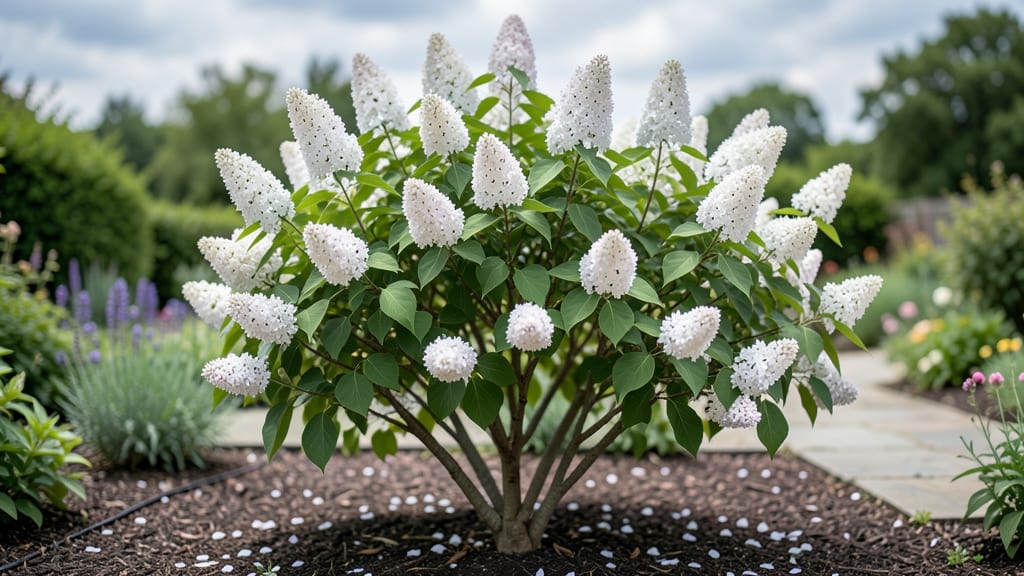
The white lilac tree flowers create a dreamy spring canopy that transforms any yard into a romantic retreat. ✨ I planted mine last year, and the way they glow against the first green leaves still makes me pause every morning.
Their delicate blooms pair perfectly with deep purples, soft pinks, and even bold blues to create a garden that feels both classic and fresh. The secret to their visual impact is placement—position them where they'll frame your patio or entryway, using their height to draw the eye upward.
Pair with low-growing perennials like lavender or catmint to create layers, and add climbing roses nearby for a soft, fragrant backdrop. Their fragrance alone makes them worth growing, but the way they light up a garden in early spring? Unbeatable.
You'll love how they age gracefully from showy white to soft blush tones, then fade into lush green foliage that stays attractive all summer. The scent lingers even after the flowers fall, creating a lingering spring memory. For a cohesive look, repeat their color palette in nearby shrubs or containers.
Works beautifully in formal gardens, cottage-style yards, or even urban spaces with limited room. Their adaptability makes them the perfect centerpiece for any design style.
📚 In This Guide
- What you need
- Instructions
- Tips and common mistakes
- Wrapping up and next steps
What you need
- ● Lilac tree (Prunus × yedoensis or Syringa vulgaris ‘Alba’) – Choose a healthy, disease-resistant variety with white blooms.
- ● Planting site – A sunny spot (6+ hours of sunlight daily) with well-draining soil (pH 6.0–7.0).
- ● Garden soil or potting mix – 5+ gallons (for container planting) or amended native soil (for in-ground).
- ● Organic compost or fertilizer – 2–3 cups of balanced 10-10-10 or slow-release granules.
- ○ Mulch (optional but recommended) – 2–3 inches of shredded bark or wood chips to retain moisture.
- ● Watering can or hose with a gentle spray nozzle – For deep, consistent hydration.
- ● Pruning shears – Sharp, clean shears (sterilized with rubbing alcohol).
- ○ Gloves (optional) – To protect hands from thorns or rough bark.
- ● Epsom salt (magnesium sulfate) – 1 tbsp per gallon of water (monthly for lush foliage).
- ● Copper fungicide – For prevention of powdery mildew (common in humid climates).
- ● Staking support – If planting in windy areas (use 3–4 stakes + soft ties).
- ● Drip irrigation system – For automated, stress-free watering.
- ● Bird netting – To protect blooms from hungry critters.
Step-by-Step guide to planting and caring for white lilac trees
Here's how to create a fragrant spring display that'll wow neighbors for decades.
🌱 Step 1: Choose the Perfect Planting Location
White lilacs thrive in full sun—select a spot that gets at least 6 hours of direct sunlight daily. I always test the area by observing how sunlight moves across the yard during spring mornings, as lilacs bloom early and need warmth to develop those signature fragrant clusters.
Well-draining soil is non-negotiable—these trees hate soggy roots. If your yard has heavy clay, amend the planting hole with 2-3 inches of compost mixed into the native soil. The ideal planting site also offers 3-5 feet of clearance from sidewalks or structures, since mature lilacs can grow 10-15 feet wide with proper pruning.
🪴 Step 2: Dig and Prepare the Planting Hole
Dig a hole twice as wide as the root ball but only as deep as the container's bottom. This prevents burying the trunk too deeply, which can suffocate the plant. I like to loosen the soil at the bottom with a garden fork to encourage root spread into the surrounding earth.
For the 4 trees you're planting, space each 10-12 feet apart in a square formation. This creates an elegant natural border while allowing full airflow between plants. Mix 1 cup of all-purpose fertilizer into the backfill soil to give young roots an immediate nutrient boost.
☀️ Step 3: Plant and Water for Immediate Establishment
Gently remove the tree from its container and place it in the hole so the top of the root ball sits 1 inch above ground level. This prevents soil from settling later and burying the trunk. Spread the roots outward and backfill with native soil, tamping lightly every 2 inches to eliminate air pockets.
Water deeply right after planting—5 gallons per tree—to settle the soil and eliminate air gaps. You'll know you've done it right when water runs out the drainage holes within 10-15 minutes. Mulch with 2-3 inches of shredded bark, keeping it 6 inches away from the trunk to prevent rot.
✂️ Step 4: Prune for Shape and Future Blooms
Prune immediately after planting to remove any dead or damaged branches and shape the tree. I make clean cuts at a 45-degree angle just above an outward-facing bud. For young trees, I limit pruning to no more than 25% of the foliage—this prevents stress and encourages strong root establishment.
Wait until late summer or early fall for major pruning. This timing ensures you don't cut off next year's flower buds, which form after blooming. Always use sterilized pruners to prevent spreading disease between cuts.
💧 Step 5: Maintain Through the First Critical Year
Water deeply once a week during the first growing season, providing 10 gallons per tree each time. You'll know it's enough when the soil 6 inches down feels moist but not saturated. Reduce watering in fall as temperatures drop, but keep the soil slightly moist until freezing.
Fertilize in early spring with a balanced 10-10-10 formula, applying 1 pound per tree. I always water thoroughly before and after to prevent root burn. Watch for aphids or borers—common early pests—and treat with neem oil at the first sign of infestation.
Tips & tricks for perfect white lilac tree planting
Here's what I wish I'd known before planting my first batch of white lilacs—these little details make all the difference.
Sunlight Strategy: That 6 hours of direct sunlight isn't just a suggestion—it's non-negotiable for those signature fragrant blooms. I learned this the hard way when my first lilacs in partial shade grew tall but produced almost no flowers. If your yard has afternoon shade, consider planting a smaller variety like 'Miss Kim' that tolerates slightly less light, but still aim for morning sun exposure. The first two hours after sunrise are especially important for triggering bloom formation.
Soil Test Tip: Before amending with 2-3 inches of compost, do a simple soil test using a DIY kit from your garden center. Lilacs prefer slightly alkaline soil (pH 6.5-7.5). If your test shows acidic soil, mix in 1 pound of agricultural lime per tree when planting. I've seen dramatic differences in growth when I corrected pH levels—my trees went from struggling to thriving in just one season.
Watering Wisdom: Those 5 gallons per tree right after planting should be done slowly—aim for a steady stream that allows the water to soak in rather than running off. I use a garden hose with a gentle spray nozzle to prevent soil erosion around the root ball. After watering, check that the soil 6 inches down stays moist but not soggy. Overwatering is just as damaging as underwatering for these delicate roots.
Pruning Precision: When you're making those 45-degree angle cuts in Step 4, look for outward-facing buds just below the cut. This encourages new growth that will fill out your tree's shape. I keep a small notebook by my pruners to track which branches I've pruned each year—this helps me avoid over-pruning in subsequent seasons. Remember, you can always prune more later, but you can't un-cut what you've removed!
Pro Tips for Lilac Tree White Flowers
- Here's what I wish I'd known before planting my first batch of white lilacs—these little details make all the difference.
- Sunlight Strategy: That 6 hours of direct sunlight isn't just a suggestion—it's non-negotiable for those signature fragrant blooms.
- Soil Test Tip: Before amending with 2-3 inches of compost, do a simple soil test using a DIY kit from your garden center.
Frequently asked questions
Got questions about nurturing your lilac tree with white flowers? You’re not alone! Here are some of the most common queries—and their answers—to help you grow a fragrant, show-stopping centerpiece.
When do white lilac flowers bloom, and how long do they last?
White lilac blooms typically appear in late spring (April–May), though timing varies by climate. Flowers last 1–2 weeks on the tree but can be cut for vases to extend their life by another week or more. Prune spent blooms to encourage a second flush in some varieties!
Why aren’t my white lilac flowers fragrant like I expected?
Fragrance fades in over-mature trees or those stressed by poor soil, drought, or pests. Ensure your lilac gets full sun (6+ hours/day) and well-draining soil. Young trees or newly planted lilacs may also have milder scents—patience pays off!
Can white lilacs grow in containers, or do they need a garden bed?
While lilacs prefer garden beds, dwarf varieties (like ‘Miss Kim’) thrive in large containers (20+ gallons) with proper drainage. Use loamy, slightly alkaline soil and repot every 3–4 years. Containers limit root growth, so expect smaller blooms but still fragrant results!
How and when should I prune my white lilac tree for healthy growth?
Prune right after blooming (June) to shape the tree and encourage next year’s flowers. Avoid pruning in fall or winter, as lilacs bloom on old wood. Remove dead, crossing, or overcrowded branches first, then thin out 1/3 of the oldest stems to the ground.
What pests or diseases commonly affect white lilac trees?
Watch for aphids, borers, and powdery mildew—especially in humid climates. Treat aphids with soapy water; borers require pruning infected branches. Powdery mildew? Improve air circulation and apply neem oil if needed. Healthy soil and regular pruning prevent most issues!
Wrapping up and next steps
From their delicate white lilac flowers to their intoxicating fragrance, these trees bring effortless charm to any garden or landscape.
Whether you’re a seasoned gardener or just starting, adding a lilac tree is a rewarding choice that celebrates nature’s beauty. Ready to plant your own? Research local nurseries, pick the perfect variety, and get ready to enjoy a spring filled with fragrant elegance! 🌸✨