
Pruning
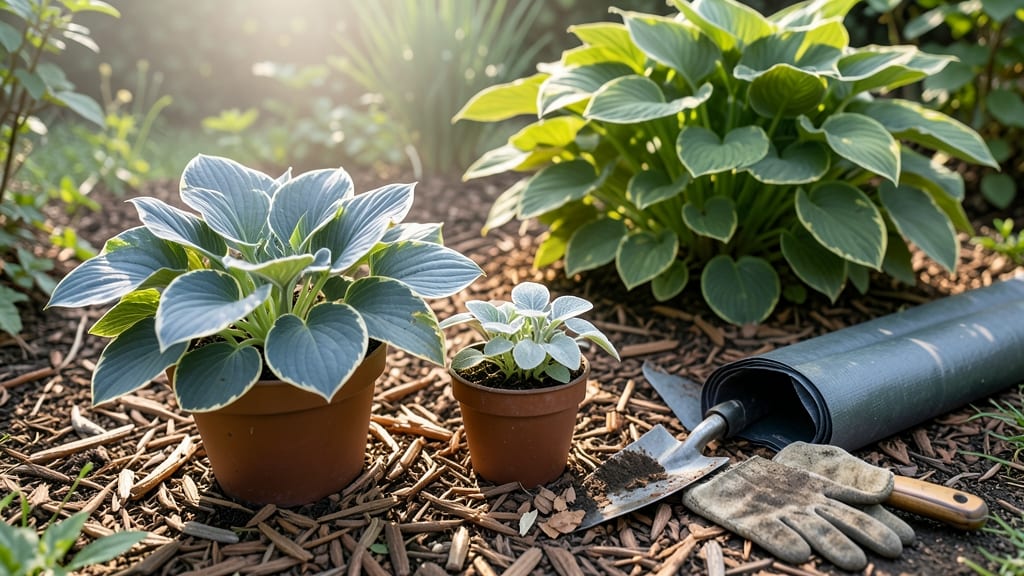
Planting around tree stumps turns forgotten stumps into year-round garden stars—without smothering the roots or sacrificing beauty. 🌿 I’ve turned my own stumps into lush, low-maintenance focal points that bloom from spring to frost, using shade-tolerant perennials and ornamental grasses that thrive in the dappled light.
The key is spacing: keep plants at least 12 inches from the stump’s edge to avoid competing roots, and use mulch to suppress weeds while locking in moisture.
My go-to combo is hostas for texture, heuchera for color, and carex sedge for movement—all of which handle the stump’s moisture fluctuations better than fussy annuals.
By mid-summer, you’ll have a vibrant understory that frames the stump like a natural sculpture, with foliage spilling over edges and seasonal blooms drawing pollinators. The stump itself becomes a canvas—paint it, carve it, or leave it raw for a rustic vibe.
This works for cottage gardens, modern minimalism, or wildflower meadows—just adjust the palette. Ready to transform that stump into a garden anchor?
📚 In This Guide
- What you need
- Instructions
- Tips and common mistakes
- Wrapping up and next steps
What you need
- ● Soil amendments: Compost (2–3 cubic feet, well-aged and nutrient-rich)
- ● Peat moss or coconut coir (1–2 bags, for moisture retention)
- ● Garden soil (1–2 cubic yards, high-quality topsoil)
- ● Mulch: Wood chips or shredded bark (3–4 cubic feet, 2–3 inches thick)
- ○ Optional: Pine straw or leaf mold for extra moisture control
- ● Plants: Shade-tolerant perennials (e.g., hostas, ferns, or heucheras—3–5 plants)
- ● Ground covers (e.g., creeping thyme or ajuga—1–2 plants)
- ○ Optional: Dwarf shrubs (e.g., boxwood or azaleas) for structure
- ● Tools: Garden trowel or spade (for digging)
- ● Garden fork (to loosen compacted soil)
- ● Wheelbarrow (for hauling soil/amendments)
- ● Measuring tape or ruler (to mark planting zones)
- ○ Optional: Soil pH tester (to check acidity/alkalinity)
- ● ✅ Stump condition: Ensure the stump is fully decomposed or at least 6+ months old (fresh cuts may still harbor pests).
- ● 💧 Moisture access: Check for underground irrigation or natural drainage—tree roots may still compete for water!
- ● 🌡️ Microclimate: Note sunlight/shade patterns (e.g., dappled light from nearby trees).
- ● Pro tip: If the stump is not decomposed, consider grinding it down first for a cleaner look!
Step-by-step guide to planting around tree stumps
Transform that stump into a stunning garden feature without risking your tree's health.
🪴 Step 1: Assess the Stump and Soil Conditions
Start by examining the stump's diameter and the surrounding soil. Measure the stump's width and extend 2 feet outward—this creates a "no-plant zone" where roots are most active. The tree's roots can spread 1.5 to 3 times the canopy's width, so avoid planting directly adjacent. Use a soil probe or trowel to check moisture levels; if the soil feels compacted or dry, you'll need to amend it later.
Look for signs of fungal growth or moisture retention near the stump. If you see mushrooms or damp soil, the area may have poor drainage. In this case, focus on drought-tolerant plants like sedum or lavender that won’t compete for moisture. Healthy soil should crumble slightly when moist but not feel soggy.
🌱 Step 2: Choose the Right Plants for the Space
Select plants that thrive in the stump’s microclimate—typically shade-tolerant, moisture-adaptive, or low-competition species. Perennials like hostas, ferns, and astilbes work well in dappled shade, while ground covers such as creeping thyme or ajuga suppress weeds without smothering roots. Avoid aggressive spreaders like mint or bamboo, which can strangle young trees.
For year-round interest, layer plants by height and bloom time. Place evergreens like boxwood or heuchera near the stump’s base for structure, then add spring bulbs (daffodils, alliums) and fall bloomers (sedum, ornamental grasses) around the edges. Test your soil’s pH—most stump-side soil is neutral, but if it’s acidic, opt for rhododendrons or azaleas instead of alkaline-loving plants.
☀️ Step 3: Prepare the Planting Area Safely
Mark the planting zone with spray paint or stakes, keeping all plants at least 18 inches away from the stump’s edge. Use a hand trowel or small shovel to loosen soil—never dig deeper than 6 inches near the stump to avoid damaging lateral roots. Mix 1-2 inches of compost into the top layer of soil to improve fertility without overfeeding the tree.
For larger plants, dig holes twice as wide as the root ball but only as deep as the container. Place a mulch ring (4-6 inches deep) around the stump, extending 3 feet outward, but keep mulch 6 inches away from the trunk to prevent rot. Use wood chips or shredded bark—avoid fresh mulch, which can draw pests.
💧 Step 4: Plant and Water Strategically
Set each plant in its hole, ensuring the top of the root ball sits level with the ground. Backfill with native soil, pressing gently to remove air pockets. Water deeply immediately to settle roots, then water lightly every 2-3 days for the first 2 weeks—enough to keep soil moist but not soggy. Overwatering here can suffocate roots and attract fungal diseases.
Use a soaker hose or drip irrigation to deliver water slowly at the base of plants, avoiding the stump. Monitor soil moisture with your finger—top 2 inches should feel damp but not wet. If leaves yellow or wilt, the tree may be competing for water. In this case, reduce watering and switch to drought-resistant plants like semaphore pods or Russian sage in future plantings.
✂️ Step 5: Maintain Without Disrupting the Tree
Mulch annually in early spring to replenish organic matter, but never pile mulch against the stump. Weed regularly, but pull weeds by hand near the stump—herbicides can leach into the tree’s root zone. Prune plants as needed, but avoid heavy trimming in late summer, which stresses plants before winter.
Every 2-3 years, top-dress the soil with 1 inch of compost to replenish nutrients. If your tree is young (under 10 years old), limit plantings to small perennials or annuals—mature trees can handle more competition. Watch for leaf discoloration or stunted growth in nearby plants, signaling overcrowding. Adjust by removing the most aggressive plants first.
Tips & tricks for planting around tree stumps
Here’s what I’ve learned from years of transforming stumps into garden focal points—without harming the tree’s roots.
Root Zone Awareness: The 2-foot no-plant zone around the stump isn’t arbitrary—it’s where the tree’s most aggressive roots spread. I’ve seen gardeners accidentally plant too close and end up with stunted flowers or even tree stress. Use a spray-painted circle or stakes to mark this boundary clearly. For larger trees (with canopies over 20 feet wide), extend the zone to 3 feet to be safe. This simple step prevents competition that could weaken your tree over time.
Soil Test Before Planting: Stump-side soil often has unique conditions—sometimes too compacted, other times waterlogged. I always test pH and moisture before selecting plants. If your soil is acidic (pH below 6.5), skip alkaline-loving plants like peonies and opt for rhododendrons instead. For compacted soil, mix in 1-2 inches of compost before planting—this improves drainage and aeration without overwhelming the tree’s roots.
Layering for Visual Impact: The key to year-round interest is strategic layering. Start with evergreens like boxwood at the stump’s base for structure, then add spring bulbs (daffodils, alliums) around the edges. For fall color, place ornamental grasses or sedum in the outer ring. This creates depth and ensures something’s always blooming. I’ve found that placing taller plants toward the back (away from the stump) prevents them from blocking sunlight to nearby smaller species.
Watering Wisdom: New plantings near stumps need consistent moisture, but not too much. The first two weeks are critical—water deeply immediately after planting, then lightly every 2-3 days. Use a soaker hose to deliver water slowly at the base of plants, avoiding the stump entirely. A good test: stick your finger 2 inches into the soil—it should feel damp, not soggy. Overwatering here can suffocate roots and attract fungal diseases, which is the last thing you want near an established tree.
Pro Tips for Planting Around A Tree Stump
- Here’s what I’ve learned from years of transforming stumps into garden focal points—without harming the tree’s roots.
- Root Zone Awareness: The 2-foot no-plant zone around the stump isn’t arbitrary—it’s where the tree’s most aggressive roots spread.
- Soil Test Before Planting: Stump-side soil often has unique conditions—sometimes too compacted, other times waterlogged.
Frequently asked questions
Got questions about transforming that bare stump into a thriving garden spot? You’re not alone! Here are answers to the most common concerns—so you can plant with confidence (and avoid stump-related drama).
What’s the best time of year to plant around a tree stump?
Plant in early spring or fall for ideal results. Avoid summer heat or winter frost, which can stress young plants. If you’re in a mild climate, spring is your best bet—just ensure the soil isn’t waterlogged from winter rains.
Will planting near a tree stump harm the remaining roots?
Not if you plan wisely! Stick to shallow-rooted plants (like hostas, ferns, or ornamental grasses) and keep them at least 3–5 feet away from the stump’s edge. Deep-rooted species (e.g., shrubs, trees) can compete for moisture and nutrients—so avoid them unless the stump is decades old and roots are minimal.
How do I prep the soil around a stump to ensure healthy growth?
Start by removing debris (rocks, old mulch) and loosening compacted soil with a garden fork. Mix in 2–3 inches of compost or aged manure to boost fertility. If drainage is poor, amend with sand or perlite. Test soil pH—most plants thrive in 6.0–7.0.
Can I plant flowers or vegetables near a tree stump?
Yes! Opt for low-maintenance, drought-tolerant options like salvia, black-eyed Susans, or strawberries. For veggies, try shallow-rooted greens (lettuce, spinach) or herbs (chives, thyme). Avoid heavy feeders like tomatoes or corn—they’ll deplete soil quickly and compete with lingering roots.
My new plants are struggling—what went wrong?
Check these common culprits:
- Overwatering: Stumps retain moisture—let soil dry slightly between waterings.
- Root competition: If growth stalls, the stump’s roots may still be active. Prune aggressive suckers or relocate plants.
- Poor soil: Amend with compost or mulch to improve texture and nutrients.
- Pests: Slugs or deer love tender new plants—use organic barriers or repellents.
Still stumped? Snap a photo of your setup and tag us—we’re happy to help troubleshoot!
Wrapping up and next steps
Planting around a tree stump doesn’t have to be a challenge—it’s an opportunity to transform dead space into a thriving garden while keeping your tree’s roots happy.
Whether you’re adding perennials, shrubs, or ground cover, the key is balance: choose plants wisely, prep the soil carefully, and mulch like a pro. With the right approach, you’ll create a stunning, low-maintenance landscape that works for you and your tree all year long.
Ready to get growing? Start small—pick one stump to revamp this weekend, and let your green thumb shine! 🌱 For even more inspiration, browse plant pairings or consult a local nursery for expert advice. Happy planting!