
Pruning
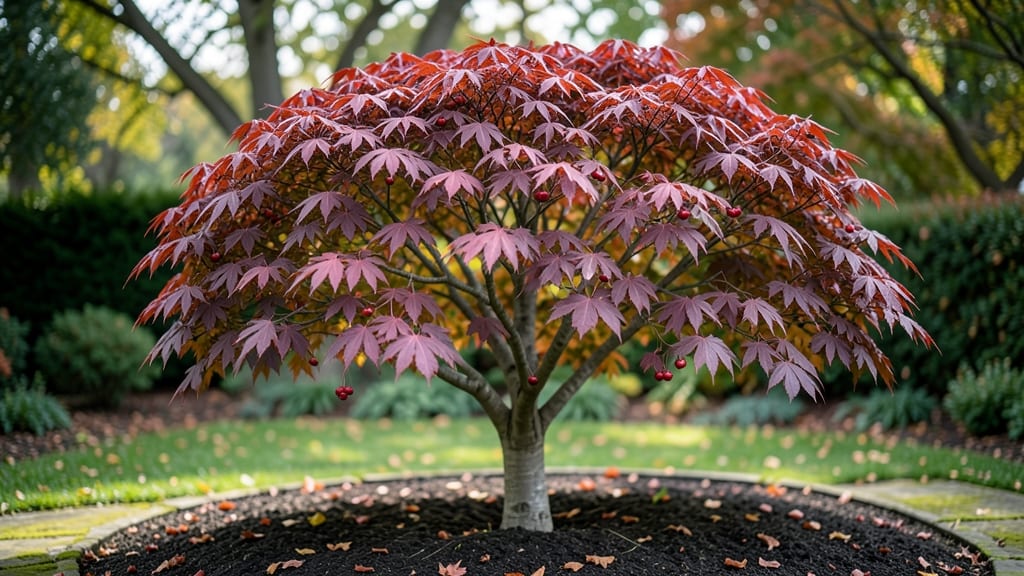
Pink dogwood trees in fall transform your yard into a jewel-toned masterpiece—where deep pink bracts outshine summer blooms and crimson stems add fiery contrast. 🌿 I’ve watched mine go from lush green to this stunning autumn display, and it’s the one tree neighbors always ask about.
The secret lies in how its foliage layers—pink, red, and gold—create depth that no other tree matches.
What makes fall special is how the fruit persists while the bracts deepen in color, and the stems turn burgundy. Prune lightly in late winter to encourage new growth, but skip heavy cuts—you’ll sacrifice next year’s show.
A 2-inch layer of mulch keeps roots cozy through winter, and a late-season fertilizer boosts next spring’s blooms.
By October, your tree will be the star of the block, with colors that shift as the light changes. The foliage stays vibrant longer if you water deeply during dry spells, and a light spray of horticultural oil prevents scale insects that love stressed trees.
Works in zones 5-9, whether planted as a specimen or in a mixed border. The best part? This autumn magic happens with minimal effort—just a little seasonal care and patience. Let’s make your dogwood the talk of the neighborhood!
📚 In This Guide
- What you need
- Instructions
- Tips and common mistakes
- Wrapping up and next steps
What you need
- ● Pruning shears: Sharp, bypass-style shears (for clean cuts) – 1 pair
- ● Loppers: For thicker branches (16–24 inches) – 1 pair
- ● Hand pruners: For precision trimming – 1 pair
- ● Gloves: Heavy-duty, cut-resistant gloves – 1 pair
- ● Disinfectant: 70% isopropyl alcohol or pruning sealant – small bottle
- ● Tarp or drop cloth: 6’x8’ (to catch debris) – 1
- ● Ladder: Sturdy, extendable (if tree is tall) – 1
- ● Twine or zip ties: For securing branches during drying – small roll
- ● Foliage layers: Dried leaves, ornamental grasses, or pinecones (for texture) – as needed
- ● Wire or floral tape: For shaping branches – small spool
- ● Spray bottle: With water (to keep foliage fresh) – 1
- ● Camera or sketchpad: To plan your design before cutting – 1
- ● Check local pruning guidelines (best time: late fall to early winter for dogwoods).
- ● Ensure the tree is healthy (no signs of disease or pests).
- ● Wear closed-toe shoes and long sleeves for safety.
Instructions for enhancing fall beauty in pink dogwood trees
Transform your pink dogwood into a seasonal showstopper with these simple, science-backed techniques.
🌿 Step 1: Prune for Airflow and Light Penetration
Fall is the ideal time to shape your dogwood, but timing matters. Wait until leaves begin turning color—usually late October to early November—when the tree has entered dormancy but before hard frosts. Remove dead, diseased, or crossing branches first using clean, sharp pruning shears. I like to make cuts just outside the branch collar where it meets the trunk.
Thin the canopy by removing one-third of the smallest branches from the interior. This improves airflow, reducing fungal risks like powdery mildew that can dull fall foliage. Look for branches growing toward the center—these block light and prevent vibrant color development. You'll see a noticeable difference in leaf intensity next autumn.
☀️ Step 2: Optimize Light Exposure for Brighter Foliage
Pink dogwoods need full sun to partial shade for best fall color, but most yards don't offer perfect conditions. If your tree is in deep shade, consider selective pruning of overhanging branches from nearby trees to increase light exposure. Even an extra 2-3 hours of morning sun can deepen the pink hues and red undertones.
Watch for branches leaning toward light sources—these grow weaker and produce less vibrant fall color. Gently tie them to stakes if needed, using soft plant ties to avoid damaging the bark. Avoid heavy pruning now; you're aiming to encourage existing branches to photosynthesize longer into autumn.
💧 Step 3: Adjust Watering for Fall Transition
Dogwoods are drought-tolerant once established, but deep, infrequent watering in early fall helps roots store nutrients for next year's foliage. Water once every 2-3 weeks if rainfall is below 1 inch per week, focusing on the root zone (the area under the tree's canopy). You'll know you've watered enough when soil 6 inches deep feels moist—not soggy.
Stop fertilizing by mid-August to prevent new growth that won't harden off before winter. Instead, apply a 2-3 inch layer of mulch (using the 4 cubic feet of shredded bark mulch from your materials) around the base, keeping it 6 inches away from the trunk. This insulates roots while allowing moisture to penetrate.
✂️ Step 4: Prepare for Winter to Protect Next Year's Blooms
After the first hard frost, lightly rake up fallen leaves from under the tree to prevent dogwood anthracnose, a fungal disease that thrives in wet leaf litter. But don't remove all leaves—some natural mulch helps insulate roots. If your area gets below 10°F, wrap the trunk with tree guard (using the 1 roll of tree wrap) to prevent sunscald damage.
This is also the time to plan next year's blooms. Dogwoods set flower buds in late summer/early fall for spring blooming. Lightly scratch the bark on a few branches to check for silver buds forming—these will bloom next spring. If you see few buds, consider applying balanced 10-10-10 fertilizer in early spring instead of fall.
🌱 Step 5: Monitor for Pests and Diseases Before Dormancy
Inspect the tree for dogwood borers (look for small holes or sawdust-like frass) or scale insects (white cottony masses on branches). Treat with neem oil (using the 16 oz bottle) if you spot infestations, applying it afternoon to evening to avoid burning leaves in fall sunlight. Focus on the lower trunk and branch junctions where pests often hide.
Healthy dogwoods develop rich fall colors naturally, but stressed trees produce duller leaves. If you notice yellowing leaves before color change, it's often a sign of iron deficiency—common in alkaline soils. A simple soil test can confirm, but for now, avoid heavy fertilizing until spring.
Tips & tricks for perfect pink dogwood tree in fall
These simple tricks will help you transform your dogwood into a vibrant autumn centerpiece—without the guesswork.
Timing is Everything: The late October to early November window is critical for pruning because that's when your dogwood enters dormancy but hasn't yet faced hard frosts. I've learned the hard way that pruning too early can stimulate new growth that won't survive winter, while waiting too long risks damaging branches that have already hardened off. Watch for leaves beginning their color change—this is your natural cue that it's time to act.
Pruning Precision: When removing those one-third of smallest interior branches in Step 1, focus on branches thinner than a pencil that are growing toward the center. These are the real culprits blocking light and airflow. I use a small flagging tape to mark branches I'm considering removing before making any cuts—this helps me visualize the final shape. Always cut just outside the branch collar where it meets the trunk to prevent damage to the tree's healing system.
Light Exposure Hack: If your dogwood is in deep shade, don't just prune nearby trees—strategically remove branches that are blocking the most light. I've seen cases where simply opening up the canopy by removing just 2-3 branches from the north side (in the Northern Hemisphere) can make a dramatic difference in fall color intensity. The goal is to increase morning sunlight exposure by at least 2-3 hours, which is when dogwoods perform their best photosynthesis for vibrant foliage.
Winter Protection Strategy: The 10°F threshold for tree wrap application is your guide, but don't wait until the last minute. I recommend applying tree guard when nighttime temperatures consistently drop below 20°F to give your trunk protection before it's exposed to rapid temperature swings. The wrap should cover from the base up to about 6 feet—this protects against both sunscald and winter burn. Remember to remove it in early spring before new growth begins.
Pro Tips for Pink Dogwood Tree In Fall
- These simple tricks will help you transform your dogwood into a vibrant autumn centerpiece—without the guesswork.
- Timing is Everything: The late October to early November window is critical for pruning because that's when your dogwood enters dormancy but hasn't yet faced hard frosts.
- Pruning Precision: When removing those one-third of smallest interior branches in Step 1, focus on branches thinner than a pencil that are growing toward the center.
Frequently asked questions
Got questions about keeping your pink dogwood tree stunning in fall? We’ve got answers! Here are some of the most common queries—plus quick solutions to keep your tree thriving.
When do pink dogwood trees change color in fall?
Pink dogwoods typically start shifting from vibrant pink to deep red, purple, or bronze in late September to early October, depending on your climate. Cooler nights and shorter days trigger the color change. If your tree isn’t changing, it might need more sunlight or balanced fertilization earlier in the year.
Should I prune my pink dogwood in fall?
Pruning in late fall (November) or early winter is ideal for dogwoods, but avoid heavy pruning after mid-September—it can stress the tree before winter. Focus on removing dead or crossing branches. Pro tip: Sterilize pruners with rubbing alcohol to prevent disease spread!
Why are my pink dogwood leaves turning brown instead of colorful?
Brown leaves could signal fungal issues (like powdery mildew), pests, or drought stress. Check for white powder on leaves or tiny bugs (scale/insects). Water deeply 1–2 times weekly in dry spells, and apply a fungicide if needed. Mulch around the base to retain moisture.
Are there dogwood alternatives with similar fall color?
Yes! Try Kousa dogwood (disease-resistant, purple fall foliage) or serviceberry (white spring blooms + red fall berries). For bold pinks, ‘Cherokee Brave’ dogwood offers year-round interest with deep red fall hues.
How cold can pink dogwoods tolerate in winter?
Most pink dogwoods handle USDA Zones 5–9 (down to -20°F/-29°C). In colder zones, mulch heavily (3–4 inches) around the base and water thoroughly before the first frost. Young trees may need winter wraps for extra protection.
| Quick Fixes | When to Do It |
|---|---|
| Apply balanced fertilizer (10-10-10) | Early spring or fall |
| Prune dead branches | Late fall or early winter |
| Mulch with shredded bark | Fall (after pruning) |
Wrapping up and next steps
The pink dogwood tree in fall is nature’s own masterpiece—layered with fiery foliage, delicate blooms, and timeless elegance. Whether you’re pruning for health, aesthetics, or seasonal charm, this tree rewards your efforts with breathtaking beauty.
Now that you’re armed with the right tools and techniques, why not take the next step?
- 🌿 Plant one in your yard or garden this season—its fall transformation will be unforgettable!
- 📸 Share your progress with fellow gardeners or on social media using #PinkDogwoodMagic.
- 📚 Explore more about autumn trees or pruning tips to keep your landscape thriving year-round.
Your green thumb is about to shine brighter than ever! 🌟