
Pruning
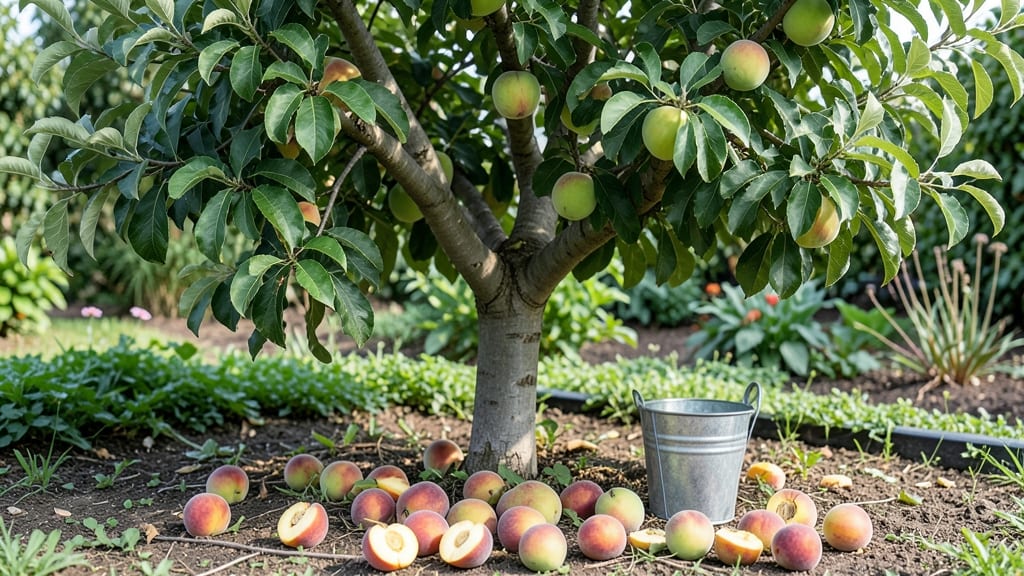
Your peach tree fruit drop is a sign it’s struggling to support its own bounty—and the fix starts with pruning. 🌿 I’ve watched my own trees go from heavy branches sagging under fruit to producing juicier, larger peaches by thinning strategically.
The key isn’t just removing fruit, but balancing the tree’s energy so it can invest in what stays attached.
Overloaded branches trigger fruit drop by diverting energy away from developing peaches. Combine that with late spring frost, nutrient deficiencies, or pests like peach tree borers, and you’ve got a recipe for disaster.
But here’s the good news: proper pruning (both structural and fruit thinning) can cut drop rates by 50% or more—and the results show up in just one growing season.
Start by removing water sprouts and crossing branches in late winter, then thin fruit clusters to 6–8 inches apart in early summer. Pair this with balanced fertilization (high nitrogen early, potassium later) and consistent watering—no soggy soil, no drought stress.
The payoff? Fewer dropped peaches and sweeter, more uniform fruit by harvest.
This works for home gardeners in USDA Zones 5–9, whether you’ve got a young tree or an established one. The same principles apply to nectarines and plums too. Let’s get those branches in shape before next season’s fruit rush.
Root Causes Of Dropping Fruit
Understanding why peaches prematurely fall from the tree is the first step to preventing it—and your frustration. Fruit drop in peach trees is rarely a single issue but often a mix of environmental, biological, and cultural factors.
Let’s break down the key culprits behind this common problem, so you can address them before they cost you a harvest.
Peach trees are sensitive to sudden changes in temperature, especially during bloom and early fruit set. Here’s how heat or cold stress triggers fruit drop:
- Late Frost Damage 🥶 - Peach blossoms are highly susceptible to frost, especially when temperatures dip below 28°F (-2°C) during bloom. Frost kills pollen or damages flower tissues, leading to poor fruit set.
Even if some fruit forms, it may drop weeks later due to hormonal imbalances caused by incomplete pollination.
- Heat Stress During Pollination 🔥
- Temperatures above 90°F (32°C) during bloom can sterilize pollen, preventing proper fertilization. Without fertilization, young fruitlets (tiny peaches) lack the hormonal signals to stay attached, causing them to drop within 2–4 weeks after flowering.
- Post-Bloom Heat Waves 🌡️
- If high temperatures persist after pollination, the tree may abort developing fruit to conserve energy. This is especially common in June drops, where the tree prioritizes survival over fruit production.
Actionable Fix: ✅ Monitor bloom timing and protect trees with frost cloths or smoke pots if frost is forecasted. ✅ Irrigate deeply during heat waves to reduce stress (but avoid overhead watering during bloom). ✅ Choose heat-tolerant varieties (e.g., ‘Redhaven’ or ‘Elberta’) if you’re in a hot climate.
Water—too much or too little—can send peaches packing faster than you can say “harvest failure.” Here’s how:
- Drought Stress 🌵
- Peach trees need consistent moisture, especially during fruit sizing (6–8 weeks after bloom). Drought causes abscission (the natural shedding of fruit) as the tree prioritizes root and leaf growth over fruit retention.
- Overwatering & Root Suffocation 💦
- While drought is bad, excessive water can lead to anaerobic soil conditions, weakening the tree’s ability to absorb nutrients. Poor root health = poor fruit retention.
- Uneven Watering 🚰
- Fluctuating soil moisture (e.g., dry spells followed by heavy rain) stresses the tree, leading to hormonal imbalances that trigger fruit drop.
Actionable Fix: ✅ Mulch heavily (3–4 inches of wood chips) to retain moisture and regulate soil temperature. ✅ Drip irrigation is ideal—keep soil consistently moist but not soggy (aim for 1–1.5 inches of water per week). ✅ Avoid overhead sprinklers during bloom to prevent disease and uneven water distribution.
Peach trees are heavy feeders, and deficiencies—especially early in the season—can lead to fruit drop. The biggest offenders:
- Nitrogen (N) Deficiency 🌱
- Nitrogen fuels leaf and shoot growth. If the tree lacks it, it prioritizes foliage over fruit, causing premature drop. Look for yellowing lower leaves (older leaves first) as a warning sign.
- Potassium (K) Shortage ⚡
- Potassium regulates fruit set, size, and retention. A deficiency (seen as yellowing leaf edges) weakens the tree’s ability to hold onto developing peaches, especially during June drops.
- Boron (B) Deficiency 🧪
- Boron is critical for cell wall development in fruit. A lack of boron causes brown, cracked fruit and premature drop. Symptoms include dead twigs and stunted growth.
- Excessive Nitrogen Late in Season 🚫
- Too much nitrogen late in the season (after bloom) encourages vegetative growth at the expense of fruit maturation, leading to drop.
Actionable Fix: ✅ Soil test before the season and amend with balanced fertilizer (e.g., 10-10-10 or 12-12-17). ✅ Apply potassium-rich fertilizers (like greensand or sulfate of potash) 4–6 weeks after bloom. ✅ Use micronutrient sprays (boron, zinc, manganese) if deficiencies are suspected—foliar sprays work faster than soil amendments.
Peaches are not self-pollinating—they rely on bees and wind to transfer pollen. If pollination fails, you’ll see massive fruit drop 2–4 weeks after bloom.
- Lack of Bees 🐝
- Without enough pollinators, pollen doesn’t reach stigmas, leading to poor fruit set. This is common in early spring when bees are still scarce or if you’ve used pesticides that kill bees.
- Poor Pollen Viability 🌸
- Some peach varieties produce weak or non-viable pollen, especially in hot or humid conditions. Even if bees visit, fertilization may fail.
- Incompatible Varieties 🔄
- Planting non-cross-pollinating varieties (e.g., two ‘Elberta’ trees) ensures no fruit set because their pollen isn’t compatible.
Actionable Fix: ✅ Plant at least two compatible varieties (e.g., ‘Redhaven’ + ‘Relenta’). ✅ Avoid pesticides during bloom—opt for bee-friendly sprays or neem oil instead. ✅ Hand-pollinate in extreme cases: Use a soft paintbrush to transfer pollen from one flower to another on a cloudy, cool day.
Sometimes, the tree sets too much fruit—more than it can support. This leads to competition for resources, and the tree drops excess fruit to survive.
- June Drop (Natural Thinning) 🌳
- This is a normal process where the tree sheds weak or poorly positioned fruit to focus energy on stronger, larger peaches. While frustrating, it’s not a problem—it’s the tree’s way of optimizing yield.
- Overbearing Varieties 🍑💥
- Some peach cultivars (e.g., ‘J.H. Hale’) are prolific bearers and may set more fruit than the tree can nourish, leading to massive June drops.
- Poor Air Circulation 🌪️
- Dense canopies or overcrowded branches trap moisture, leading to disease (like brown rot) and fruit drop. Shaded fruit also struggles to ripen, causing premature shedding.
Actionable Fix: ✅ Thin fruit early (when peaches are 1 inch in diameter) to reduce competition—leave 4–6 inches between fruit on branches. ✅ Prune in late winter to open the canopy, improving airflow and sunlight penetration. ✅ Avoid over-fertilizing with nitrogen before bloom—this encourages excessive blossoming, leading to overloading.
Fungal infections and pests can directly damage fruit, causing it to drop before harvest.
- Brown Rot (Monilinia fructicola) 🍄
- This fungus
- While it primarily affects leaves, severe infections
- These sap-sucking pests
- Birds
Fixing Excessive Fruit Loss
Preventing and solving peach tree fruit drop starts with understanding the root cause—whether it’s environmental stress, overbearing branches, or poor pollination. Below are practical, step-by-step solutions tailored to each common trigger, plus proactive tips to keep your harvest thriving.
Too many fruits on weak branches can overload the tree, causing premature drop. Pruning strategically redistributes energy and strengthens structure.
How to Fix It:
- 🔪 Trim Back Overloaded Branches – Remove 20-30% of the heaviest fruit clusters, focusing on smaller, weaker limbs. Use clean, sharp pruners to avoid damaging the tree.
- 🌿 Thin Out Fruit Clusters – Space remaining fruits 4-6 inches apart to reduce competition for nutrients.
- 🌳 Shape for Airflow – Open the canopy by pruning inward-growing branches. This improves airflow, reducing disease risk.
💡 Prevention Tip:
- Prune in Late Winter (before buds swell) to encourage strong new growth. Avoid heavy pruning in summer, which can stress the tree.
Heatwaves, cold snaps, or drought can shock peach trees, causing fruit to drop. Protective measures help stabilize the tree during stress.
How to Fix It:
- 💧 Deep Watering – Water deeply 1-2 times per week (1-2 inches per session) during dry spells. Use drip irrigation to avoid wetting leaves (which attracts disease).
- 🌞 Shade Cloth (For Heat Stress) – If temps exceed 95°F (35°C), drape 30-50% shade cloth over the tree for a few hours daily.
- 🧊 Frost Protection – Cover young trees with frost blankets if nighttime temps dip below 28°F (-2°C).
💡 Prevention Tip:
- Mulch Heavily – Apply 3-4 inches of organic mulch (straw or wood chips) to retain soil moisture and regulate temperature.
If flowers aren’t pollinated well, fruits may drop early. Encourage pollinators and hand-pollinate if needed.
How to Fix It:
- 🐝 Plant Pollinator-Friendly Flowers – Add lavender, clover, or sunflowers nearby to attract bees.
- 👨🍳 Hand-Pollinate (If Needed) – On cloudy or windless days, gently shake branches or use a soft paintbrush to transfer pollen between flowers.
- 🌸 Avoid Over-Thinning Early Blooms – If most flowers drop, leave some fruits to ensure pollination success next year.
💡 Prevention Tip:
- Choose Self-Fertile Varieties – Some peach cultivars (like ‘Redhaven’ or ‘Elberta’) pollinate themselves, reducing reliance on bees.
Blossom blight or brown rot can cause fruit drop. Early intervention is key.
How to Fix It:
- 🧴 Apply Fungicide – Spray copper fungicide (for blight) or captan (for brown rot) before blooming and again after petal fall.
- 🧹 Clean Up Debris – Remove fallen petals, mummified fruit, and infected branches to stop spores from spreading.
- 🌿 Improve Airflow – Prune to reduce humidity in the canopy, which fuels fungal growth.
💡 Prevention Tip:
- Sanitize Tools – Wipe pruners with rubbing alcohol between cuts to prevent disease transmission.
Lack of nitrogen, zinc, or boron can weaken fruit retention. Test soil and amend accordingly.
How to Fix It:
- 🌱 Soil Test First – Use a home test kit or send a sample to a lab to identify deficiencies.
- 💪 Fertilize Correctly –
- Nitrogen (for leaf growth): Apply balanced 10-10-10 fertilizer in early spring.
- Zinc/Boron (for fruit set): Use chelated micronutrients if leaves show yellowing or dieback.
- 🍎 Avoid Over-Fertilizing – Too much nitrogen late in the season can delay ripening and cause drop.
💡 Prevention Tip:
- Use Organic Matter – Mix compost or worm castings into the soil annually to improve nutrient availability.
If fruits drop just before ripening, the tree may be overloaded or stressed. Thin strategically to extend the harvest window.
How to Fix It:
- 🍑 Thin in Stages – Remove 1/3 of fruits when they’re 1 inch in diameter, then thin again at 2 inches for optimal size.
- 🍑 Leave the Best – Prioritize well-shaped, disease-free fruits for retention.
- 🍑 Harvest Gradually – Pick mature fruits first to reduce stress on remaining clusters.
💡 Prevention Tip:
- Avoid Late-Season Pruning – Heavy pruning after July can stimulate new growth that won’t harden before winter, weakening the tree.
Peach trees are resilient—consistent care pays off. Keep a harvest journal to track: ✅ When you pruned/thinned ✅ Weather stress periods ✅ Fruit drop patterns
Adjust your approach each year based on what works (or doesn’t)!
Need a Quick Checklist? Download our [Free Peach Tree Care Guide] (link placeholder) for a printable pruning and thinning schedule. 🌱
Frequently asked questions
Why does my peach tree drop fruit even after it sets well?
This is often called June drop, a natural process where trees shed weak or poorly positioned fruit to focus energy on stronger ones. It’s normal and not a cause for concern—your tree is actually optimizing its harvest! However, if drop happens before June, check for pollination issues or environmental stress (like heat waves or drought).
How can I tell if my peach tree needs more nutrients?
Look for these signs: yellowing lower leaves (nitrogen deficiency), brown leaf edges (potassium shortage), or cracked/deformed fruit (boron deficiency). Conduct a soil test in early spring—most peach trees thrive with a balanced 10-10-10 fertilizer applied in early spring and potassium-rich amendments after bloom.
Is it too late to prune my peach tree if I notice heavy fruit drop?
Not necessarily! Light pruning to open the canopy and thin overloaded branches can still help, even mid-season. Focus on removing water sprouts and crossing branches—just avoid heavy cuts after July, as new growth won’t harden before winter. Pair pruning with consistent watering to reduce stress.
Can I save dropped peaches from my tree?
Only if they’re firm and unblemished! Rinse them, remove the stem, and store in a single layer in the fridge for up to 5 days. Avoid bruised or soft fruit—they’ll spoil quickly. For long-term storage, freeze them (peeled and pitted) for pies or smoothies. Most dropped peaches are past their prime, though!
What’s the best way to thin peach fruit to prevent drop?
Thin when peaches are 1 inch in diameter, spacing them 4–6 inches apart on branches. Focus on keeping the largest, healthiest fruit—remove smaller, misshapen, or crowded ones. Use sharp pruners or your fingers (wear gloves!). Repeat thinning at 2 inches for optimal size. This reduces competition and improves air circulation.