
Pruning
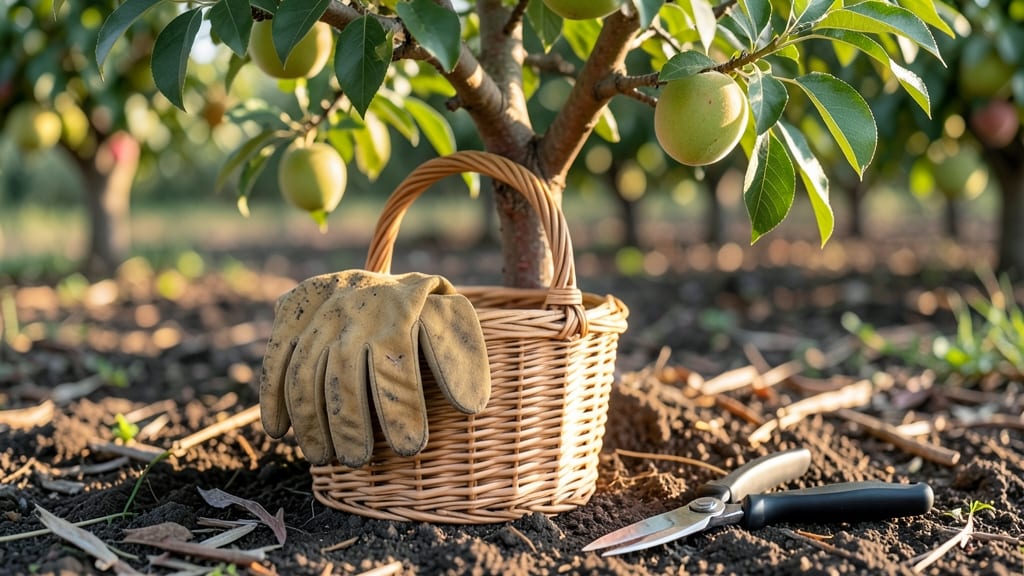
Your peach tree’s first fruit is the sweetest reward for years of patience — but knowing when to harvest it makes all the difference between a juicy triumph and a mealy disappointment.
There’s nothing like the excitement of harvesting your first peaches from a homegrown tree, but timing is everything. Pick too early, and you’ll sacrifice sweetness; wait too long, and you risk fruit spoilage.
Mastering the art of harvesting peach tree first fruit ensures a bounty of juicy, flavorful peaches that rival store-bought varieties.
For gardeners in Zone 6a, where spring planting sets the stage for summer harvests, the first fruit typically appears in July or August, depending on your variety and care routine.
Young trees may produce smaller peaches, but with the right watering, pruning, and soil prep, you’ll soon be enjoying the fruits of your labor.
In this guide, I’ll walk you through how to spot the perfect ripeness, harvest without damaging your tree, and troubleshoot common issues that might delay your first peach harvest. Let’s make sure your 🍑 tree delivers the juiciest payoff possible!
How to identify the perfect ripeness for first peach tree fruit
Harvesting your first peaches from a young tree is a rewarding milestone, but knowing exactly when to pick ensures you get the best flavor and texture. Unlike mature trees, first-year peaches often ripen faster and may not follow the same schedule.
Understanding the visual and tactile cues is key to avoiding underripe or overripe fruit that spoils quickly.
The ripening process in peaches is triggered by a combination of sun exposure, temperature shifts, and the tree’s natural sugars developing. For young trees, these factors can be even more unpredictable due to smaller root systems and less established energy reserves.
Paying attention to color changes, scent, and fruit firmness will help you determine the perfect moment to harvest.
🌱
Climate plays a huge role in ripening timing, especially for first-year peaches. In warmer climates (Zones 8-10), peaches may ripen as early as June or July, while in cooler zones like Zone 6 or 7, you might not see ripe fruit until late August or September.
Early-season varieties like 'Redhaven' or 'Elberta' tend to ripen sooner, while late varieties like 'Contender' take longer.
If you’re growing a dwarf peach tree, expect fruit to ripen slightly earlier than standard varieties due to their faster growth rate. However, dwarf trees may produce smaller first-year peaches, so don’t be surprised if they’re not as large as store-bought options.
The key is to focus on internal ripeness rather than size.
🌿
One common mistake beginners make is waiting for peaches to ripen on the tree if they plan to store them. First-year peaches, in particular, often don’t ripen further after picking like mature fruit does.
Instead, harvest them when they’re just ripe—this means they’re ready to eat immediately but still firm enough to handle. If you need to store them, opt for varieties known for better post-harvest ripening, like 'J.H. Hale' or 'Flavor Grenade'.
To test ripeness accurately, combine all cues: check the color consistency, perform the firmness test, and confirm with the scent and twist test. If a peach passes all these, it’s ready to pick.
For first-year trees, it’s also wise to harvest a few peaches daily to monitor ripening progress, as young trees can produce fruit unevenly.
🍑
Step-by-step guide to harvesting peaches without damaging the tree
Harvesting your first peaches is a rewarding milestone, but it requires gentle technique to protect both the fruit and your tree. Young peach trees produce smaller, less uniform fruit, so patience and precision are key. Using the wrong method can bruise delicate skin or stress the tree, reducing future yields.
The good news? With the right tools and timing, you’ll enjoy a flavorful harvest while keeping your tree healthy for years to come.
First-fruit peaches often ripen unevenly, so check them every 2-3 days during peak season (typically July to early September). Look for fruit that’s fully colored and yields slightly when pressed—this indicates optimal ripeness.
Avoid harvesting in hot afternoon sun, as the fruit can overheat and spoil quickly. Instead, pick in the morning or late afternoon for the best quality.
How to Harvest Peach Tree First Fruit Safely
-
Step 1: Gather Tools
- 🪣 Pruning shears (clean, sharp blades)
- 🧤 Gloves (to protect hands from thorns)
- 📋 Harvest basket (soft-lined to prevent bruising)
-
Step 2: Check Ripeness
- 🟡 Color change (deep yellow, white, or red)
- 🤏 Gentle give when pressed with a thumbnail
- 🍎 Easy twist (fruit separates cleanly from stem)
-
Step 3: Hold the Fruit
- 👆 Support the fruit with one hand while twisting
- 🌿 Avoid pulling—twist gently at the stem
- 🚫 Never tug or yank to prevent branch damage
-
Step 4: Handle with Care
- 🛡️ Place in soft container to avoid bruising
- 💧 Avoid washing until ready to eat or store
- 🌡️ Store at room temp for 1-2 days max (first-fruit peaches ripen faster)
-
Step 5: Post-Harvest Care
- 🪴 Water deeply after harvest to replenish roots
- ✂️ Remove damaged fruit to prevent pests
- 🌱 Fertilize lightly to support next year’s crop
One of the biggest mistakes beginners make is harvesting too aggressively. First-fruit peaches are often smaller and less uniform, so resist the urge to pick every piece of fruit at once. Focus on the ripened ones first, leaving others to mature naturally.
Over-picking can stress the tree and reduce next year’s yield. If you’re unsure about ripeness, wait 1-2 days—peaches won’t ripen further once picked.
Young peach trees may produce fewer than 20 peaches in their first year, and these are often smaller and less sweet than mature fruit. Don’t be discouraged! These early peaches are still delicious and perfect for fresh eating or jams.
To maximize flavor, harvest when the fruit is fully colored but still firm. Overripe peaches bruise easily and spoil quickly, so timing is everything. If you miss the window, pick them immediately and use them within 24 hours.
Protecting your tree during harvest is just as important as picking the fruit. Always use clean, sharp tools to make clean cuts at the stem—dull shears can crush branches. After harvesting, inspect the tree for any damaged limbs or remaining unripe fruit.
Remove any bruised or diseased fruit promptly to prevent pests or fungal growth. With proper care, your peach tree will reward you with bigger, sweeter harvests in future seasons.