
Leaf Blower
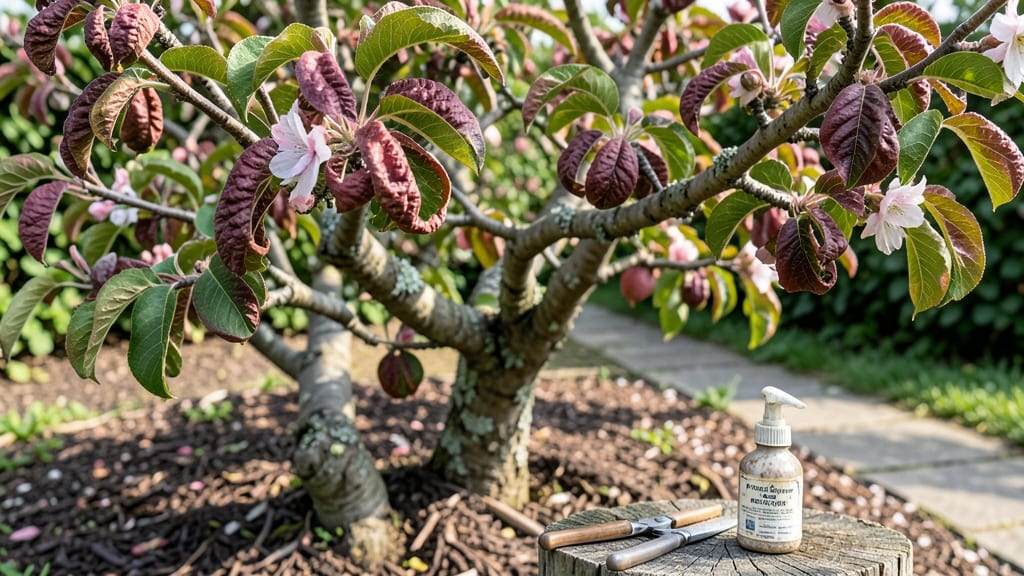
Your peach tree’s twisted, curled leaves aren’t just ugly—they’re a sign of curly leaf fungus, and copper spray is the game-changer you need to save those branches. 🌿 I’ve watched this disease turn lush foliage into brittle, unusable messes, but the right treatment stops it in its tracks.
The key? Acting fast before the fungus spreads to next year’s blossoms.
This isn’t some mysterious blight—it’s Taphrina deformans, a fungus that thrives in damp spring weather. You’ll spot it when leaves pucker up like crumpled paper, often with a chalky white coating underneath.
The good news? Copper fungicides (like Bordeaux mixture) are highly effective when applied at the right time, and organic options exist too. Pruning infected branches early can limit the damage.
With proper treatment, your tree can bounce back—producing normal leaves and even better fruit next season. The secret is consistency: spray before buds swell in early spring, then again after harvest.
I’ve seen trees fully recover in just a few months with this approach, and the peace of mind is worth every minute spent in the orchard.
Whether you’re dealing with a single branch or a full tree, the same principles apply. Copper spray works for both prevention and cure, and the timing is simpler than you’d think. Let’s get those leaves looking healthy again before the next growing season.
Root Causes Of Leaf Distortion
When your peach tree’s leaves start twisting, curling, or developing unsightly spots, Taphrina deformans—the fungus behind peach leaf curl—is usually the culprit. This persistent pathogen thrives under specific conditions, and understanding its triggers can help you prevent outbreaks before they spiral.
Let’s break down the key reasons this fungus wreaks havoc on your tree’s foliage.
The fungus Taphrina deformans overwinters as ascospores on infected buds, twigs, and fallen leaves. When winter rains or melting snow create prolonged moisture (especially between 35°F and 60°F), these spores germinate and infect new leaf tissue as it emerges in early spring.
- Why it matters: Cool, wet conditions are the perfect storm for spore release. A single heavy rain event can spread spores across your orchard in minutes.
- Actionable insight: If your region has consistently damp winters, prioritize dormant-season copper sprays (before bud swell) to create a protective barrier.
- Red flag: Trees in low-lying areas or near irrigation sources are at higher risk due to prolonged leaf wetness.
Peach trees with thick, unpruned foliage trap humidity and limit airflow. Fungal spores linger longer in these microclimates, increasing the chance of infection. Additionally, overcrowded branches create shaded, damp conditions where the fungus thrives year-round.
- Why it matters: The fungus Taphrina doesn’t just strike in spring—it can re-infect weak or stressed trees if humidity stays high during the growing season.
- Actionable insight:
- Prune trees in late winter to open the canopy and improve airflow.
- Avoid over-fertilizing with nitrogen, which promotes lush, dense growth that traps moisture.
- Pro tip: 💡 Dwarf or semi-dwarf peach varieties (like ‘Redhaven’ or ‘Elberta’) are more susceptible to leaf curl due to their compact growth—space them 12–15 feet apart to reduce risk.
The fungus Taphrina deformans loves instability. Sudden temperature swings—especially warm days followed by cold nights—weaken tree defenses. When buds swell prematurely (often due to unseasonable warmth), they become vulnerable to infection before the tree can mount a proper defense.
| Scenario | Risk Level | Why It Happens |
|---|---|---|
| Unusually warm February/March (50°F+) | ⚠️ High | Buds break dormancy early, exposing tender tissue to fungal spores. |
| Frost after bud swell | ⚠️ High | Cold damage stuns new growth, making it an easy target for Taphrina. |
| Hot, dry summer followed by sudden rain | ⚠️ Moderate | Stressed trees have lower resistance when moisture returns. |
Actionable insight: Monitor your local chill hours (below 45°F) and heat units (above 50°F). If buds swell before 200 chill hours are met, they’re at risk—apply copper spray immediately.
Peach trees that are nutrient-deficient or water-stressed are far more susceptible to fungal infections. Specifically, a lack of boron, zinc, or potassium weakens cell walls, making leaves easier targets for Taphrina.
- Key deficiencies to watch:
- Boron: Leads to poor cell wall integrity (symptoms: curled, distorted leaves).
- Zinc: Causes interveinal chlorosis (yellowing between veins), reducing the tree’s ability to fight pathogens.
- Potassium: Lowers disease resistance overall.
- Actionable fix:
- Test soil in early fall and amend with balanced fertilizer (e.g., 10-10-10 or a fruit-tree-specific blend).
- Apply foliar sprays of micronutrients (like zinc sulfate) in late winter to boost resilience.
- Pro tip: 🌡️ Overwatering can also cause root rot, which indirectly weakens the tree’s defense. Ensure well-draining soil and water deeply but infrequently.
Fungal spores survive for years on mummified leaves, twigs, and fruit left on the ground. If you skip fall cleanup, next year’s buds are pre-loaded with infection risks.
- Why it’s dangerous:
- Spores can re-infect the same tree or spread to nearby peach or nectarine varieties.
- Composting infected debris doesn’t kill spores—they can survive heat treatment.
- Actionable solution:
- Rake and remove all fallen leaves and fruit from under the tree by late fall.
- Dispose of debris in the trash (not compost) or burn it (if legally permitted).
- Apply a copper fungicide to the soil surface in late autumn to reduce spore load.
- Pro tip: ✨ Mulch only with clean, disease-free materials (like wood chips from untreated sources) and keep it 3–4 inches away from the trunk to prevent moisture buildup.
Fixing Fungal Foliage Fast
Now that you know the causes behind peach tree curly leaf fungus (and those pesky leaf spots), it’s time to roll up your sleeves and restore your tree’s health. The good news? Most solutions are simple, cost-effective, and require minimal effort—once you know the right steps.
Below, we’ll break down cause-specific fixes, from quick remedies to long-term prevention, so your peach tree can bounce back stronger than ever.
The sooner you catch the problem, the easier it is to treat. If you spot curling leaves, yellowing, or dark spots, don’t wait—take action immediately.
🔥 Prune Infected Leaves & Branches
- Why? Removing infected foliage stops the fungus from spreading to healthy parts of the tree.
- How?
- Use sterilized pruners (wipe with rubbing alcohol or bleach solution between cuts).
- Cut off entire infected leaves and small branches (even if just a few spots appear).
- Dispose of pruned material in the trash (not compost)—fungus can survive in compost piles.
- Pro Tip: 💡 Prune on a dry, sunny day to reduce humidity, which fungi love.
🍳 Copper Spray: The Ultimate Fungicide
Copper-based fungicides are highly effective against peach tree leaf curl and spot diseases. They work by disrupting fungal cell walls, preventing further damage.
- When to Apply?
- Preventively: Spray before bud break (late winter/early spring) and again after harvest (fall).
- Curatively: Apply at first signs of infection, repeating every 7–14 days until new growth appears healthy.
- How to Mix & Apply:
- Use a store-bought copper fungicide (like Copper Sulfate, Bordeaux Mixture, or fixed copper sprays).
- Mix ratio: Follow label instructions (typically 1–4 tbsp per gallon of water).
- Spray thoroughly on both sides of leaves, stems, and fruit (if edible, avoid spraying too close to harvest).
- Best time: Early morning or late afternoon to avoid leaf burn from sunlight.
- Pro Tip: 🌡️ Avoid spraying if temps are above 90°F—copper can damage leaves in extreme heat.
If you prefer chemical-free solutions, these alternatives can help—though they may require more frequent applications.
🥘 Baking Soda Spray (For Mild Infections)
- Why? Baking soda raises the leaf’s pH, making it unfriendly to fungi.
- Recipe:
- 1 tbsp baking soda
- 1 tsp dish soap (or horticultural oil)
- 1 gallon water
- How to Use:
- Mix and spray every 7–10 days until symptoms improve.
- Best for: Early-stage infections (not severe cases).
- Pro Tip: ✨ Add a pinch of calcium chloride to improve adhesion.
🔪 Neem Oil or Horticultural Oil
- Why? Neem oil smothers fungal spores and prevents new infections.
- How to Apply:
- Mix 1–2 tbsp neem oil + 1 tsp soap per gallon of water.
- Spray evenly on all surfaces (leaves, stems, bark).
- Reapply every 1–2 weeks during wet seasons.
- Pro Tip: 🌧️ Avoid applying if rain is forecast within 24 hours—it washes off.
🍄 Beneficial Fungi & Microbes
- Trichoderma harzianum (a good fungus) can outcompete harmful pathogens.
- How to Use:
- Apply Trichoderma-based soil drenches (available at garden centers).
- Follow package instructions for best results in spring and fall.
The best cure? Stopping the problem before it starts. Here’s how to protect your peach tree year-round:
| Prevention Step | How to Do It | Why It Works |
|---|---|---|
| 🌿 Proper Spacing | Plant trees 6–10 feet apart for airflow. | Reduces humidity, preventing fungal growth. |
| ☀️ Sunlight Optimization | Ensure 6+ hours of sunlight daily—fungi thrive in shade. | Stronger leaves = better resistance to disease. |
| 💦 Watering Wisely | Water at the base (not overhead) and early in the day so leaves dry fast. | Wet leaves = fungus paradise. |
| 🍂 Clean Up Debris | Remove fallen leaves, mummified fruit, and prunings in fall and spring. | Eliminates fungal overwintering spots. |
| 🌡️ Monitor Soil Health | Test soil pH (6.0–7.0 ideal for peach trees) and amend if needed. | Healthy soil = stronger tree immunity. |
| 🐞 Encourage Beneficial Insects | Attract ladybugs, lacewings, and parasitic wasps (natural pest control). | Fewer pests = less stress on the tree = fewer fungal opportunities. |
If your peach tree is severely infected (more than 30% leaf loss, oozing cankers, or repeated failures with home treatments), it’s time to consult an arborist or local cooperative extension service.
They can: - Diagnose exactly what’s wrong (sometimes it’s not just leaf curl). - Recommend stronger fungicides if needed. - Advise on tree health management for future seasons.
Final Thought: 🎯 With copper sprays, proper pruning, and smart prevention, your peach tree can fully recover from curly leaf fungus. Stay vigilant, act fast, and soon you’ll be back to enjoying juicy, healthy peaches—not just sad, spotted leaves!
Frequently asked questions
Can I still harvest peaches from a tree with curly leaf fungus?
The fruit itself isn't typically infected by Taphrina deformans, but severely affected trees may produce smaller, lower-quality peaches. If you see heavy leaf distortion, focus on treating the tree first—healthy foliage leads to better fruit next season. Avoid eating peaches from trees treated with copper sprays within 14 days of harvest.
How do I know if it's curly leaf fungus vs. peach leaf curl?
They're the same disease caused by Taphrina deformans! Look for puckered, curled leaves with a chalky white coating underneath—classic signs. The key difference is timing: leaf curl appears in early spring when new leaves emerge, while symptoms may persist through summer if untreated.
Will my peach tree recover completely after treatment?
Yes, with proper care! Copper sprays and pruning can fully restore leaf health within 2-3 months of consistent treatment. New growth will emerge normal-sized, and fruit production typically returns to normal the following season. The key is acting before buds swell in spring.
Can I use household vinegar as a fungicide for peach trees?
Not effectively. While vinegar can kill some fungi, its acidity and high salt content will burn your peach tree's leaves. Stick to copper-based sprays or baking soda mixes (1 tbsp baking soda + 1 tsp soap per gallon) for safe, organic options.
How often should I sterilize my pruning tools when treating fungal disease?
Always sterilize between every 2-3 cuts to prevent spreading spores. Use 70% rubbing alcohol or a 10% bleach solution (1 part bleach to 9 parts water), then rinse tools with water. This is especially critical when pruning infected branches to stop the fungus from jumping to healthy parts of the tree.