
Leaf Blower
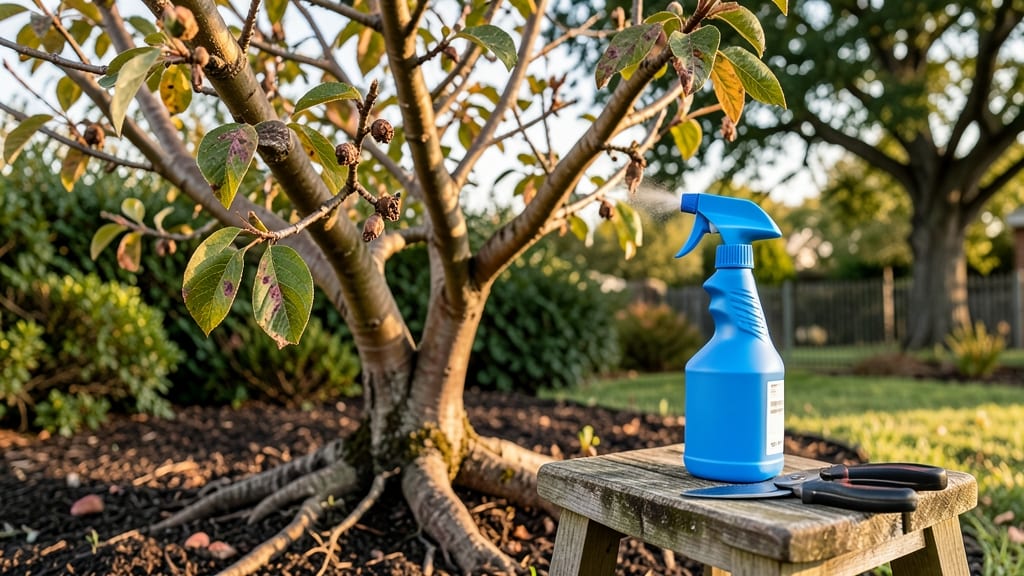
Your peach tree’s puckered leaves and curled buds scream one thing: leaf curl fungus is here. 🌿 I’ve battled this stubborn pathogen, and copper spray isn’t just a cure—it’s your tree’s fastest path to recovery, especially when applied before symptoms spread.
The key? Acting early, when buds first swell in late winter or early spring.
This fungus, Taphrina deformans, thrives in damp, mild winters and explodes when spring rains arrive. You’ll spot it as thick, leathery leaves that curl upward and buds that swell but refuse to open.
The damage isn’t just cosmetic—it weakens the tree, reducing fruit next season. But here’s the good news: copper spray stops the fungus in its tracks when used preventively or at first signs.
Within 2-3 weeks of treatment, new leaves unfurl smooth and green. The secret is consistency: apply copper spray every 7-10 days during bud swell and again after harvest.
Pair it with pruning infected branches before spring to cut off the fungus’s food source. Your tree won’t just survive—it’ll rebound with bold, healthy growth by summer.
Works for home gardeners and orchards alike, whether you’re dealing with a single tree or a grove. The copper spray method is organic-friendly (when using approved formulations) and cheaper than replacing a tree. Let’s get your peach tree back on track—before the fruit even thinks about setting.
The Hidden Triggers Behind Tree Stress
Peach trees may seem sturdy, but they’re surprisingly vulnerable to a sneaky fungal foe: Taphrina deformans, the culprit behind leaf curl. Unlike many plant diseases, this fungus thrives under specific conditions that weaken your tree’s defenses.
Understanding these triggers is the first step to stopping the outbreak before it starts. Let’s break down the key causes—and how they set the stage for infection.
The fungus Taphrina deformans overwinters as ascospores (tiny fungal spores) on infected leaves, buds, or even bark. When spring arrives, these spores need moisture to germinate and infect new growth. Here’s how wet conditions create the perfect storm:
- Prolonged leaf wetness: Even light rain or morning dew lingering on leaves for 6+ hours activates spores. The fungus absorbs water through its cell walls, swelling and bursting to release infectious spores.
- Cool, damp weather (50–65°F): The fungus thrives in these temperatures, which slow plant growth but accelerate fungal metabolism. If your area has consistent cloud cover or high humidity in early spring, spores get a head start.
- Rain-splashed spores: Wind-driven rain can physically fling spores from infected debris (like fallen leaves) onto healthy buds or new shoots. This is why pruning infected branches in late winter is critical—it removes the spore reservoir.
Actionable tip: 🌡️ Monitor your local weather forecasts for prolonged wet periods. If your area predicts 5+ days of rain in early spring, apply a copper fungicide preventatively (more on this later!).
The fungus only infects new growth—specifically buds and emerging leaves—because they’re rich in nutrients and lack protective wax coatings. Here’s why timing matters:
- Bud swell to leaf emergence: The fungus penetrates buds when they’re still closed (a stage called "green-tip"). Once leaves unfurl, the infection spreads rapidly within 7–10 days.
- Thin cuticle layer: New leaves have a delicate, water-permeable surface, making them easy entry points for fungal hyphae (thread-like structures). Mature leaves, with their thicker cuticle, resist infection.
- Nitrogen-rich tissue: Fast-growing peach trees (especially those fertilized heavily with nitrogen) produce soft, tender leaves that the fungus feasts on.
Pro tip: ✨ Delay pruning until late winter (just before bud swell) to avoid stimulating new growth too early. If you must prune in early spring, sterilize tools with 70% alcohol to prevent spreading spores.
Peach trees planted too closely together or in shady, congested areas suffer from poor airflow, which turns fungal spores into a persistent hazard. Here’s how it happens:
| Problem | Why It Matters | Fix It |
|---|---|---|
| Dense canopies | Leaves stay wet longer; spores cling and multiply in stagnant air. | Thin out branches to 50% openness for airflow. |
| Shady locations | Low light = slower leaf drying; fungus thrives in damp conditions. | Plant trees in full sun (6+ hours/day). |
| Mulch piled against trunk | Traps moisture at the base, weakening roots and stressing the tree. | Keep mulch 3–4 inches deep, 6+ inches from trunk. |
Key insight: 💡 The fungus doesn’t spread through soil—it relies on leaf-to-leaf contact or wind. Improving airflow reduces humidity on leaves by up to 30%, making them less hospitable to spores.
A stressed peach tree is like an open door for Taphrina deformans. Common stressors include:
- Nutrient deficiencies: Low potassium or calcium weakens cell walls, making leaves easier to penetrate. Test soil pH—ideal range for peaches is 6.0–7.0.
- Water stress: Overwatering (leading to root rot) or drought (causing wilting) both suppress immune responses. Aim for 1–1.5 inches of water per week.
- Physical damage: Hail, frost, or insect damage (like from peach tree borers) breaks the leaf surface, giving spores direct access.
- Improper pruning: Cutting too late in the season stimulates weak, vulnerable growth that’s prime for infection.
Preventative move: 🌱 Before spring, apply a balanced fertilizer (10-10-10) and mulch with compost to boost tree resilience. A healthy tree can tolerate light spore exposure without severe symptoms.
How to Treat and Prevent Tree Fungus
Fungal infections like peach tree leaf curl can feel overwhelming, but with the right approach, you can restore your tree’s health and protect future harvests. Below are practical, step-by-step solutions tailored to the root causes—whether it’s wet conditions, poor airflow, or neglected care.
Follow these fixes to stop the spread and revive your tree while keeping prevention top of mind.
---
Fungus thrives in soggy soil, so the first step is to drain excess moisture and improve airflow around the roots.
#### 💧 Adjust Watering Habits - Water deeply but less frequently—peach trees need about 1–1.5 inches of water per week, including rainfall.
Use a soaker hose or drip irrigation to deliver water directly to the roots without wetting the foliage. - Avoid overhead sprinklers, especially in the evening, as damp leaves create a perfect fungal buffet. 🍄❌ - Check soil moisture by sticking your finger 2–3 inches deep; if it’s damp, wait before watering again.
#### 🏗️ Improve Soil Drainage - Raise the tree’s base by mounding soil or adding gravel around the trunk to prevent water pooling. - Avoid compacted soil—loosen the top 6 inches with a garden fork if the ground feels hard. - Mulch properly: Use 2–3 inches of organic mulch (like wood chips) 3–4 inches away from the trunk to retain moisture without suffocating the roots.
#### 🌡️ Monitor Humidity - If your area is naturally humid, prune nearby plants to increase airflow around the tree. - Use a fan on damp days if growing peaches in containers or greenhouses.
--- Copper-based sprays are the gold standard for leaf curl fungus, but timing and technique matter.
#### 👨🍳 Choose the Right Fungicide - Copper fungicides (like copper sulfate or copper hydroxide) are most effective when applied before symptoms appear (late winter/early spring). - Organic options: Neem oil or baking soda spray (1 tbsp baking soda + 1 tsp dish soap + 1 gallon water) can help in mild cases, but copper is stronger. - Synthetic fungicides: Products like Fungicide 3336 (with chlorothalonil) are highly effective but should be used as a last resort.
#### 🥘 Spray Correctly for Maximum Coverage - Best time to spray: Late fall (after leaf drop) or early spring (before buds swell). Repeat every 2–4 weeks during wet seasons. - Cover all surfaces: Spray both sides of leaves, the trunk, and branches thoroughly.
Use a hose-end sprayer for large trees. - Reapply after rain: Fungicides wash off in 24–48 hours of heavy rain, so reschedule sprays if rain is forecasted.
#### ⏰ Follow Up with Preventative Sprays - Dormant season (winter): Apply copper spray after leaves fall to kill overwintering spores. - Bloom season (spring): A second spray just before buds open prevents new infections. - Post-harvest (summer): If you see new curling leaves, treat immediately to stop the cycle.
--- Fungal spores spread faster in crowded, shaded areas. Pruning opens up the canopy and removes infected parts.
#### 🌿 Remove Infected Leaves & Branches - Cut out any curl-edged or discolored leaves with sterilized pruners (wipe with rubbing alcohol between cuts). - Thin out dense branches to allow sunlight and air circulation—aim for a vase-like shape with open centers. - Burn or bag (not compost) infected debris to prevent reinfection.
#### 🌞 Increase Sun Exposure - Trim nearby trees/shrubs that cast deep shade over your peach tree. - Space new plantings at least 10–15 feet away to avoid future crowding.
--- Prevention is easier than cure—build fungus-resistant habits now to protect your tree for years.
#### 🌡️ Optimize Planting Conditions - Choose the right location: Peach trees need full sun (6+ hours/day) and well-draining soil. Avoid low spots where water pools. - Test your soil: Aim for a pH of 6.0–7.0.
Amend with lime (to raise pH) or sulfur (to lower it) if needed.
#### 🎯 Strengthen Tree Health Year-Round - Fertilize properly: Use a balanced fertilizer (10-10-10) in early spring and late summer.
Avoid excess nitrogen, which promotes lush (but fungus-vulnerable) growth. - Water at the base: Always direct water to the root zone, not the leaves. - Monitor for pests: Aphids and mites weaken trees, making them more susceptible to fungus. Treat with insecticidal soap if needed.
#### ✨ Use Natural Fungus Fighters - Compost tea: Brew well-aged compost in water for 24 hours, then spray on leaves to boost natural resistance. - Beneficial microbes: Apply mycorrhizal fungi (available as powders) to enhance root health. - Plant companions: Marigolds, garlic, or chives near the tree can deter fungal spores naturally.
--- Need a fast reference? Here’s how to tackle each cause:
| Cause | Immediate Fix | Prevention Tip | |--------------------------|--------------------------------------------|---------------------------------------------| | Overwatering | Reduce frequency, improve drainage | Use soaker hoses, mulch correctly | | Poor airflow | Prune dense branches, thin canopy | Space plants 10+ feet apart | | Late fungicide spray | Apply copper spray now, then every 2 weeks | Spray dormant season + bloom season | | High humidity | Use fans, avoid evening watering | Plant in sunny, well-ventilated areas | | Weak tree health | Fertilize, test soil pH | Fertilize twice/year, monitor pests |
--- By combining these fixes, you’ll stop the fungus in its tracks and give your peach tree the best shot at a healthy, productive season. 🌱🍑 Start with copper sprays and pruning, then lock in prevention habits—your tree (and future peach harvests) will thank you!
Frequently asked questions
Can I still harvest fruit from a peach tree with leaf curl fungus?
The fruit may still develop, but the tree’s energy is diverted to fighting the fungus, often resulting in smaller, lower-quality peaches. If you see severe curling (thick, leathery leaves), prioritize treatment over harvest. Light infections might yield fruit, but monitor for bitter pit (a common side effect of fungal stress).
How do I know if my peach tree has leaf curl fungus vs. something else?
Leaf curl fungus creates thick, puckered leaves that curl upward (like a taco shell) and buds that swell but don’t open. Unlike bacterial spot (which causes small brown spots) or aphid damage (sticky residue), this fungus leaves no visible spots—just distorted growth. Check buds in late winter for greenish, swollen tips.
Is copper spray safe for my peach tree’s fruit?
When used correctly, copper fungicides are fruit-safe if applied before bloom (follow label instructions). Avoid spraying during flowering or when fruit is smaller than a dime. Organic options like copper hydroxide (e.g., Copper Soap) are less harsh than copper sulfate. Always rinse fruit before eating if sprayed late in the season.
Will pruning alone cure leaf curl fungus?
No—pruning removes infected parts but doesn’t kill spores lingering on bark or soil. Combine pruning with copper spray for full control. Remove all curled leaves and branches in late winter (before buds swell), then sterilize tools with 70% alcohol to prevent spreading spores.
Can I use household items like vinegar or baking soda to treat leaf curl?
Baking soda (1 tbsp + 1 tsp soap per gallon) can help mild cases as a preventative spray, but it’s not as effective as copper for leaf curl. Vinegar is too harsh—it burns leaves and won’t stop the fungus. For organic solutions, stick to neem oil (early stages) or compost tea (to boost tree immunity).