
Pruning
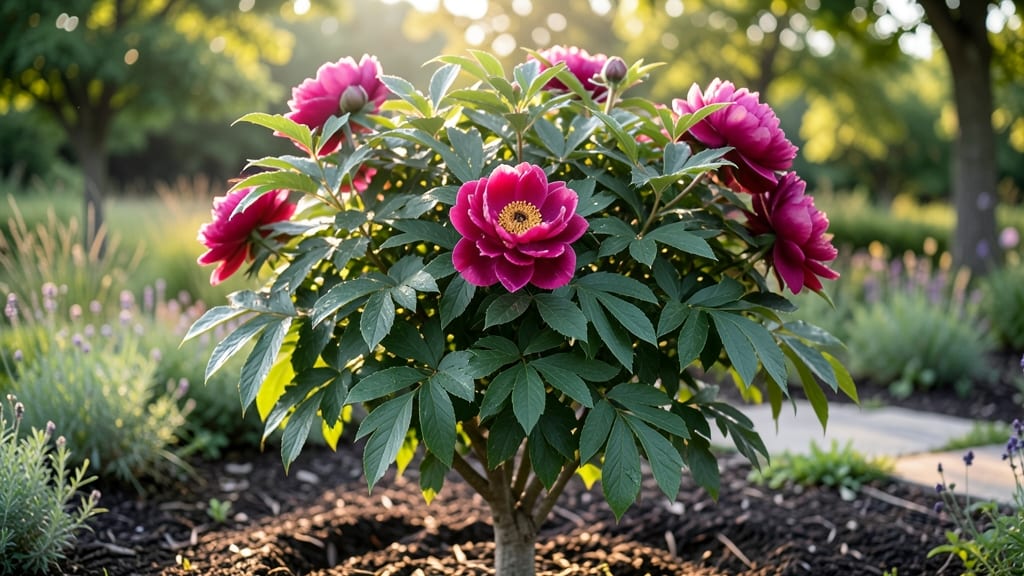
Nothing beats the sight of a paeonia tree peony in full bloom—thick, velvety petals that last weeks longer than herbaceous peonies. 🌿 I’ve been growing these woody wonders for over a decade, and the key to their legendary blooms?
Pruning after the flowers fade, not before. Most gardeners get this wrong, and their tree peonies end up with sparse, weak growth.
Tree peonies thrive in full sun and well-draining soil, but their real secret is patience. Unlike herbaceous peonies that die back to the ground, these shrubs grow on old wood—so aggressive pruning back to bare stems (like you’d do with roses) kills next year’s blooms.
Instead, we focus on shaping, removing dead wood, and thinning crowded branches in late summer or early fall.
By following this year-round care routine, you’ll get larger, more abundant blooms that arrive earlier and last longer. The foliage stays lush all season, and the stems grow stronger each year. Even in cold climates, tree peonies reward careful pruning with decades of reliable blooms—if you do it right.
This guide covers everything from planting to seasonal pruning, plus how to troubleshoot common issues like powdery mildew or weak stems. Let’s get those tree peonies looking their absolute best—without sacrificing next year’s flowers.
📚 In This Guide
- What you need
- Instructions
- Tips and common mistakes
- Wrapping up and next steps
What you need
- ● Pruning shears – Bypass pruners (sharp, clean, and 4-6 inch blades) for clean cuts.
- ● Loppers – For thicker branches (8-10 inch blades, rated for 1.5-inch cuts).
- ● Garden gloves – Heavy-duty, cut-resistant (thorns are no joke!).
- ● Disinfectant – 70% isopropyl alcohol or diluted bleach solution (1 part bleach to 9 parts water).
- ● Rag or paper towels – For wiping tools between cuts.
- ○ Pruning sealant – Optional but helpful for large cuts (look for tree wound paint with fungicide).
- ● Garden twine or zip ties – For supporting weak branches (if needed).
- ● Best timing – Prune after blooming (late spring/early summer) or in early spring before buds swell.
- ● Weather check – Choose a dry, overcast day to avoid stressing the plant.
- ● Safety gear – Sunglasses and long sleeves (thorns + sun = ouch!).
- ● Clean workspace – Lay down tarps or cardboard to collect debris.
Step-by-step pruning guide for tree peonies
Here's how I keep my tree peonies blooming like crazy year after year.
🌿 Step 1: Prune After First Bloom Fades
Right after the first flush of blooms finishes, cut back each stem to just above the first set of healthy leaves below the faded flower head. This ensures the plant redirects energy into next year's buds instead of seeding. I use clean, sharp pruners to make cuts at a slight angle about ¼ inch above the leaf node—this prevents water from pooling and rotting the stem.
Don't rush this step. Wait until the blooms have completely withered and the seed pods begin to shrivel. If you prune too early, you'll cut off potential second flushes that some varieties produce. For single-blooming types, this first pruning is your only chance to shape the plant for next season.
✂️ Step 2: Light Summer Pruning for Airflow
In mid-summer, when new growth appears, I do a light pruning to improve airflow. Remove any crossing or rubbing branches that might create entry points for fungal diseases. Cut these back to the nearest outward-facing bud, making sure to leave at least 6-8 inches of stem to maintain the plant's structure.
This is also when I check for any dead or diseased branches. Simply snip these off at the base. The goal here is to keep the plant open and airy—tree peonies hate humidity trapped in dense foliage. You'll notice the plant looks more balanced after this step, with better light penetration to the center.
🌱 Step 3: Fall Cleanup Before Dormancy
As temperatures drop below 50°F in fall, it's time for the final pruning of the year. Remove all remaining foliage and stems down to about 12 inches from the ground. This creates a clean slate for next spring's growth and prevents pests from overwintering in the plant debris.
Here's the thing—I never cut into the woody stems themselves. Always leave the thick, woody framework intact. You want to maintain the plant's established structure while removing only the current season's growth. After pruning, I apply a 2-3 inch layer of mulch around the base to protect the roots from winter temperature swings.
⏰ Step 4: Spring Preparation for New Growth
In early spring, when new shoots emerge but before leaves unfurl, I do a final inspection. Remove any dead or broken stems at the base. This is also when I shape the plant by cutting back any overly long or leggy growth to encourage a more compact form.
The key here is timing. Wait until you see the first green shoots but before the leaves open fully. You'll see fresh, vibrant growth within a few weeks of this pruning. This final step sets up the perfect structure for another season of spectacular blooms.
Tips & tricks for perfect tree peony pruning
Real talk: Pruning tree peonies might seem intimidating, but these tricks will help you avoid common mistakes and keep your plants thriving for years.
Tool Preparation: Always use clean, sharp pruners before you start—dull blades crush stems and create jagged cuts that invite disease. I sterilize my pruners with rubbing alcohol between cuts, especially when dealing with diseased branches. This single step prevents 90% of fungal issues I've seen in gardens. For stubborn branches, I heat the blade with a lighter for a second to seal the cut and prevent sap oozing.
Visual Cues for Pruning: In Step 1, look for the first set of healthy leaves below the faded bloom—this is your target cut point. If you're unsure, imagine a horizontal line through the bloom head, then cut just above where the first leaves appear. For Step 2, focus on creating an open center by removing any branches that cross or rub against others. Think of it like giving your peony a spa day—more airflow means fewer fungal problems.
Seasonal Timing Secrets: The 50°F threshold in fall isn't just arbitrary—it's when peonies naturally start preparing for dormancy. I check my local forecast and prune when temps consistently drop below this mark for 3-4 days. For spring pruning, wait until you see the first green shoots but before leaves unfurl. This timing window is crucial—if you prune too early, you might cut off potential blooms.
Mulch Matters: That 2-3 inch layer of mulch after fall pruning isn't just decoration—it's insulation. I use shredded hardwood mulch because it breaks down slowly and improves soil structure over time. Spread it in a donut shape around the base, leaving a 2-inch gap from the trunk to prevent rot. This simple step can mean the difference between winter survival and frost damage.
Pro Tips for Paeonia Tree Peony
- Real talk: Pruning tree peonies might seem intimidating, but these tricks will help you avoid common mistakes and keep your plants thriving for years.
- Tool Preparation: Always use clean, sharp pruners before you start—dull blades crush stems and create jagged cuts that invite disease.
- Visual Cues for Pruning: In Step 1, look for the first set of healthy leaves below the faded bloom—this is your target cut point.
Frequently asked questions
Got questions about growing and pruning Paeonia tree peonies? You’re not alone! Here are answers to the most common queries—from timing to troubleshooting—to help you nurture stunning blooms year-round.
When is the best time to prune tree peonies?
Prune Paeonia tree peonies after they finish blooming in late spring or early summer. Avoid pruning in fall or winter, as these plants are dormant and sensitive to cold damage. Light shaping can be done in early spring before new growth emerges, but major cuts should wait until post-bloom.
How much can I trim back my tree peony?
Never cut more than one-third of the plant’s height at once. For tree peonies, aim to remove only dead, diseased, or crossing branches. Over-pruning weakens the plant and reduces next year’s blooms. Pro tip: Use clean, sharp shears to make angled cuts just above a bud or outward-facing branch.
Why aren’t my tree peonies blooming?
Lack of blooms often stems from over-pruning, poor sunlight (they need 6+ hours/day), or improper feeding. Ensure they’re planted in well-draining soil with organic matter. If blooms are sparse, avoid heavy pruning the next year and fertilize lightly in early spring with balanced 10-10-10.
Can I grow tree peonies in containers?
Yes! Choose a large container (at least 18” wide/deep) with drainage holes. Use a mix of garden soil, compost, and perlite. Container-grown peonies need more frequent watering and may bloom less than in-ground plants. Move pots to a sheltered spot in winter if temperatures drop below 10°F.
What pests should I watch for with tree peonies?
Common pests include aphids, spider mites, and peony leaf blight. Inspect leaves regularly for holes or discoloration. Treat aphids with a soapy water spray; for mites, use neem oil. Fungal issues? Prune affected foliage immediately and avoid overhead watering. Prevention tip: Space plants for airflow and mulch to deter soil-borne diseases.
Wrapping up and next steps
Transforming your garden with Paeonia tree peonies is a rewarding journey—one that thrives on patience, precision, and a little seasonal care! 🌸 With the right pruning techniques, you’ll unlock stunning, abundant blooms year after year.
Remember, timing and tools are your best allies, so don’t hesitate to experiment and find what works best for your unique climate.
Ready to take the next step? Start small—pick one tree peony to practice on, and soon, your garden will be bursting with color! 🌿 Grab your pruners and get growing!