
Pests and Diseases
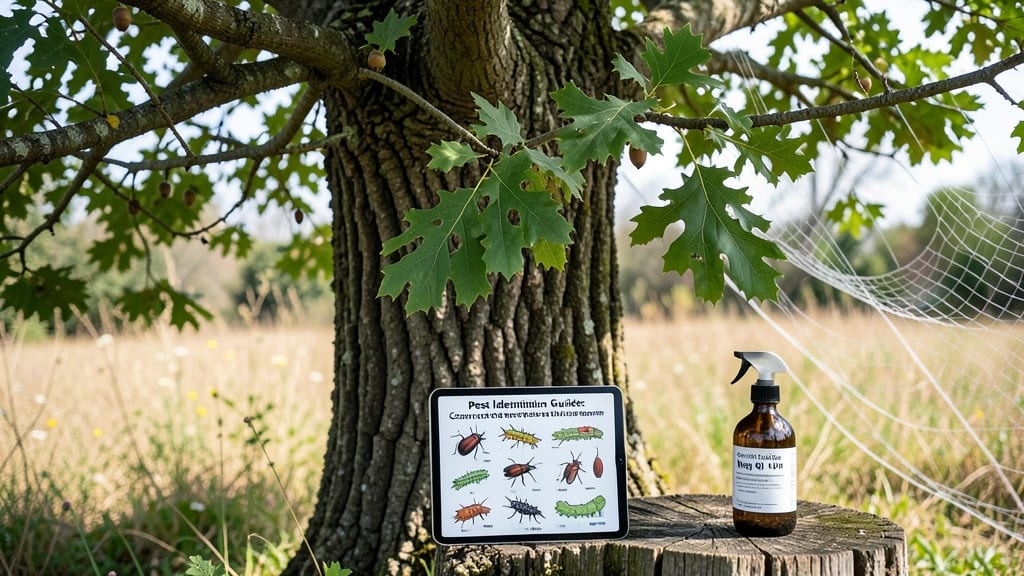
Seeing holes in tree leaves can turn a lush canopy into a skeleton act overnight. 🌿 I’ve watched my shade trees go from full and green to Swiss-cheese leaves in just a few weeks, and I’ll show you how to spot the culprit before it’s too late—whether it’s hungry caterpillars, chewing beetles, or even wind damage.
The first step is identifying the damage: jagged edges mean caterpillars, smooth holes suggest beetles, and irregular tears point to hail or wind. Once you know the cause, you can act fast—organic sprays, neem oil, or even introducing beneficial insects can save your tree without harsh chemicals.
By the time you finish this, you’ll know exactly what’s eating your leaves and how to stop it before next season. Your trees will bounce back stronger, with fewer holes and more vibrant growth. This works for shade trees, fruit trees, and even ornamental plants.
Let’s get your canopy back to full glory!
The Hidden Causes Behind Leaf Damage
When you spot tiny holes or irregular patterns in tree leaves, it’s rarely a coincidence—these marks are usually a sign of unseen activity. Understanding the root causes helps you take targeted action to protect your plants.
Below, we break down the most common reasons leaves develop holes, from hungry pests to environmental factors, with clear explanations and actionable insights.
Most leaf holes start with tiny, voracious insects. These pests don’t just nibble—they leave behind distinctive patterns that can help you identify them quickly.
🔍 Chewing Insects: The Obvious Bite Marks
Insects like caterpillars, beetles, and sawflies physically chew through leaf tissue, creating jagged or semi-circular holes. Look for:
- Caterpillars (e.g., tent caterpillars, loopers): Often leave irregular, ragged edges and may spin silk webbing. They’re most active at night or in early morning.
- Japanese beetles: These metallic-green invaders create skeletonized leaves (veins remain) and cluster on flowers and foliage. They’re most aggressive in late summer.
- Sawfly larvae: Their holes are notched or window-pane-like, and they often feed in groups. Unlike caterpillars, they lack prolegs (no "looping" movement).
💡 Pro Tip: Shake trees over a white sheet in the morning—many chewing insects drop to the ground when disturbed. This helps you confirm their presence before treating.
🕷️ Piercing-Sucking Pests: The Silent Sap Stealers
Some insects don’t chew—they pierce leaves to suck out sap, leaving behind tiny, pinprick holes or yellow stippling. Common offenders include:
- Spider mites: Their feeding creates fine, dusty speckling and webbing on undersides. Severe infestations turn leaves gray or bronze.
- Aphids: Clusters of these soft-bodied insects leave sticky residue (honeydew) and cause curled or puckered leaves.
- Leafhoppers: Their holes are small and scattered, often with a hopper-shaped insect visible on the leaf’s surface.
🌡️ Warning Sign: Piercing-sucking pests thrive in hot, dry conditions. If your tree is stressed (wilting, yellowing), it’s even more vulnerable.
Not all leaf damage comes from pests—sometimes, the environment itself creates holes or weakens leaves, making them easier targets.
💨 Wind and Hail: Physical Leaf Trauma
Strong winds or hail can tear leaves, creating uneven, torn edges or puncture-like holes. Unlike insect damage:
- Holes are randomly shaped, not patterned.
- Entire branches may show bruising or bent stems.
- Damage occurs suddenly after storms, not gradually.
✨ Quick Fix: Prune severely damaged leaves to help the tree redirect energy to new growth. Mulch around the base to protect roots from wind stress.
🔥 Heat and Drought: Weakened Defenses
When trees don’t get enough water, their leaves become dry, crispy, or brittle, making them susceptible to:
- Edge scorching: Brown, dry holes along leaf margins (common in oaks and maples).
- Increased pest attraction: Stressed trees produce more sugars in leaves, luring insects like aphids.
💡 Watering Hack: Deep watering 1–2 times per week (depending on soil) encourages deep root growth. Avoid overhead sprinklers—they can spread fungal diseases.
While less common than pests, certain pathogens can create hole-like symptoms by killing leaf tissue in specific patterns.
🍄 Anthracnose: The "Shotgun" Fungus
This fungal disease causes small, water-soaked spots that expand into irregular holes with yellow halos. It thrives in:
- Wet, humid conditions (spring and fall).
- Shady, poorly ventilated areas.
🔥 Prevention: Remove and destroy infected leaves (don’t compost them). Space trees for airflow and water at soil level (not leaves).
🦠 Bacterial Leaf Spot: The Oozing Threat
Bacterial infections (e.g., Xanthomonas) create tiny, watery holes that may ooze or have dark centers. Unlike fungal spots, bacterial damage:
- Often appears greasy or slimy.
- Spreads rapidly in warm, wet weather.
🚫 Critical Action: Do not prune infected branches—sterilize tools with 70% alcohol between cuts. Remove heavily infected leaves and dispose of them in sealed bags.
Now that you know the why behind those mysterious holes, the next step is identifying the exact culprit and choosing the right treatment. Stay tuned for our guide on natural remedies to restore your tree’s health!
Fixing Leaf Damage Naturally
Now that you’ve identified the culprit behind those pesky holes in your tree’s leaves, it’s time to take action! The good news? Most solutions are simple, eco-friendly, and effective. Below, we’ve mapped out practical fixes for common causes—plus prevention tips to keep your trees thriving long-term.
🔥 Step 1: Manual Removal (Best for Small Infestations)
Start with a gloved hand or tweezers to pluck off visible pests like caterpillars or beetles.
Drop them into a bucket of soapy water to eliminate them humanely. - Pro Tip: 💡 Do this in the early morning or evening when insects are less active.
🍳 Step 2: Homemade Sprays (Non-Toxic Solutions)
Mix one of these DIY sprays and apply to the undersides of leaves (where pests hide): - Neem Oil Spray: 1 tbsp neem oil + 1 tsp mild soap + 1 quart water.
Shake well and spray every 5–7 days. - Garlic Pepper Spray: Blend 2 garlic cloves + 1 tsp cayenne pepper + 1 quart water. Strain and spray on leaves. - Soap Spray: 1 tbsp horticultural oil or castile soap + 1 quart water.
Test on a small leaf first to avoid burning.
👨🍳 Step 3: Attract Natural Predators
Encourage birds, ladybugs, and lacewings by:
- Planting native flowers (like marigolds or dill) near your tree.
- Installing a birdhouse to welcome insect-eating birds.
- Avoiding chemical pesticides, which can harm beneficial predators.
⏰ Step 4: Prune & Dispose (For Severe Damage)
If 50%+ of leaves are eaten:
- Prune heavily damaged branches with clean, sharp shears.
- Bag and discard pruned leaves (don’t compost—pests may survive).
- Sanitize tools with rubbing alcohol to prevent spreading.
If holes are irregular, brown, or accompanied by mold, a pathogen may be at play.
🔪 Step 1: Remove Infected Leaves & Branches
- Clip off leaves with dark spots, holes, or slime (signs of anthracnose or bacterial leaf spot).
- Dispose of them in the trash (not compost) to stop spores from spreading.
🌿 Step 2: Improve Airflow & Reduce Moisture
Fungi thrive in wet, stagnant conditions. To prevent recurrence:
- Thin out dense foliage to allow sunlight and air circulation.
- Water at the base (not overhead) to keep leaves dry.
- Avoid overhead irrigation during rainy seasons.
✨ Step 3: Apply Fungicidal Sprays (If Needed)
For stubborn fungal issues, use:
- Copper fungicide (follow label instructions).
- Baking soda spray: 1 tbsp baking soda + 1 tsp soap + 1 gallon water. Spray every 10–14 days.
If holes are random, jagged, or paired with chewed edges, external factors may be the cause.
🌡️ Step 1: Protect from Physical Damage
- Install netting around young trees to shield from hail or wildlife (like squirrels or deer).
- Stake tall trees in windy areas to prevent leaf tearing.
💡 Step 2: Boost Tree Health
Stressed trees are more vulnerable. Help yours recover by:
- Watering deeply (1–2 inches per week, depending on climate).
- Mulching (2–3 inches of organic mulch) to retain moisture.
- Fertilizing (use a balanced, slow-release fertilizer in early spring).
🚫 Step 3: Deter Wildlife
If squirrels, rabbits, or deer are the culprits:
- Hang reflective tape or old CDs to scare them off.
- Use motion-activated sprinklers (like ScareCrow) for larger animals.
Once your tree is healthy, prevent future damage with these habits:
- Inspect leaves weekly during growing seasons (spring–fall).
- Encourage biodiversity—healthy ecosystems naturally resist pests.
- Avoid over-fertilizing (weakens trees, making them pest magnets).
- Plant resistant varieties (e.g., oak, maple, or serviceberry are tougher against pests).
By tackling the root cause and reinforcing preventive care, your tree will bounce back—stronger and hole-free! 🌳💚
Frequently asked questions
Why do some tree leaves develop holes while others stay intact on the same branch?
This often happens because pests target the most tender, nutrient-rich leaves first. Young, soft leaves or those near the branch tips are usually more vulnerable. Environmental factors like wind exposure or sunlight intensity can also create variations in leaf health across a single branch.
Can holes in leaves spread to other parts of my tree or nearby plants?
Yes, if the holes are caused by pests or diseases, they can spread. For example, caterpillars may migrate to new leaves, while fungal spores can travel via wind or water. The key is early action—remove infected leaves, treat the tree promptly, and monitor nearby plants for signs of trouble.
Is it safe to compost leaves with holes from my tree?
Only if the holes are from environmental damage (like wind or hail) and there are no signs of pests or disease. If you suspect insects or pathogens, toss those leaves in the trash instead—composting can spread the problem to your garden.
How long does it take to see improvement after treating leaf holes?
For pest-related holes, you may notice a difference within 3–7 days if you use targeted treatments like neem oil or manual removal. Fungal issues might take 2–4 weeks to show improvement, depending on how severe the infection is and how quickly you act.
Will my tree grow back healthy leaves even if most are eaten?
Trees are resilient. As long as the roots and trunk are healthy, your tree will produce new leaves. Focus on proper care—watering, mulching, and avoiding stress—to help it recover faster and grow stronger foliage next season.