
Pests and Diseases
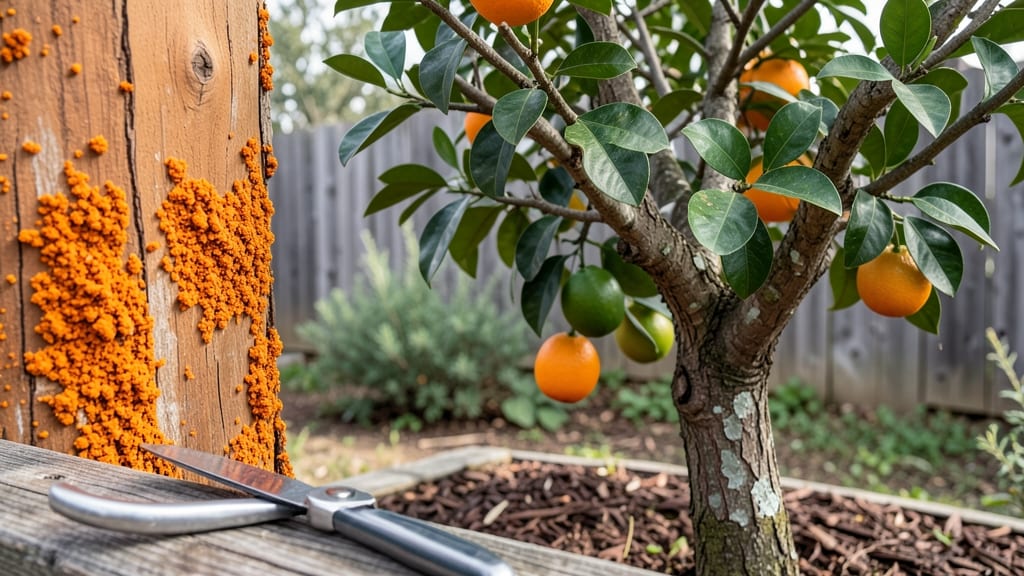
That bright orange gunk on your tree bark isn’t just unsightly—it’s a fungal warning sign. 🌳 I’ve battled orange rust on my citrus trees, and the key to stopping it lies in three straightforward steps that work without harsh chemicals.
This isn’t about scrubbing every leaf or spraying toxic fungicides—it’s about smart, simple fixes that actually prevent regrowth.
Most people assume orange rust only hits citrus, but it’s also common on oaks, fruit trees, and even shade trees. The culprit? Fungi like Gymnosporangium—they thrive in damp conditions and spread fast. The good news? You can stop it before it ruins your tree’s health.
Start by identifying the exact spots (look for those bright orange pustules) and then tackle them with the right tools—like neem oil or copper fungicide—without harming your plants or the planet.
Within 2-3 weeks of treatment, you’ll see fresh, clean bark emerging where the rust once clung. The secret isn’t brute force—it’s targeted pruning, proper spacing, and a little seasonal maintenance.
I’ll show you how to do it safely, so your tree stays strong and your yard stays rust-free for good. Let’s get started!
This works for citrus, apple, oak, and even pine trees—no matter what’s in your yard. The same principles apply, whether you’re dealing with a small backyard tree or a full orchard.
You’ll know exactly what to look for, how to treat it, and how to keep it from coming back. No guesswork, just results.
Root Causes Of Fungal Bark Spots
Orange rust on tree bark isn’t just an eyesore—it’s a red flag from a fungal pathogen like Gymnosporangium or Puccinia species, which thrive under specific conditions. Understanding why these spots appear helps you prevent future outbreaks. Here’s a breakdown of the key triggers:
The primary culprit behind orange rust is airborne fungal spores. These microscopic invaders land on tree bark, especially when conditions are damp and warm. Once settled, they germinate and infect the bark’s outer layers, causing those telltale orange pustules.
Trees with thin or damaged bark (like young or stressed specimens) are especially vulnerable.
Why it matters: Spores can travel miles on wind currents, meaning even healthy trees in your yard may get infected if nearby hosts (like cedar or juniper trees) are already compromised.
Fungi love moisture—think of them as aquatic invaders. Prolonged wetness (from rain, overhead watering, or high humidity) keeps spores alive and encourages rapid growth. Bark stays damp longer in shaded or poorly ventilated areas, creating the perfect breeding ground.
Key triggers:
- 🌧️ Heavy rainfall (especially >1 inch in 24 hours)
- 💦 Frequent misting or overhead irrigation (water droplets linger on bark)
- 🌿 Dense foliage trapping humidity (e.g., thick shrubs near trees)
Pro tip: 🔥 Prune branches to improve airflow and avoid watering bark directly—aim for the soil instead.
Orange rust fungi are thermophilic, meaning they flourish in warm (but not scorching) temperatures. Ideal conditions for outbreaks typically occur in spring and summer, when daytime temps hover between 60–80°F (15–27°C). Cooler nights slow fungal activity, but consistent warmth keeps the cycle going.
Seasonal risks:
Season
Risk Level
Why?
Spring
⚠️ High
Rapid spore germination + frequent rain
Summer
⚠️ High
Heat + humidity = fungal feast
Fall
⚠️ Moderate
Cooler temps slow growth, but spores persist
Winter
❄️ Low
Dormant spores, but can survive on bark
Actionable tip: 🌡️ Monitor your local weather—if forecasts predict 3+ days of rain and warmth, treat your trees preemptively with fungicide.
Healthy trees have natural defenses, but stress weakens their bark’s protective layers. Common stressors include:
- ✂️ Recent pruning wounds (exposed tissue = entry points)
- 💧 Drought or overwatering (disrupts nutrient flow)
- 🐛 Pest infestations (e.g., bark beetles create openings)
- 🌱 Competition for nutrients (e.g., invasive roots nearby)
Stressed trees produce less resin, a natural antifungal barrier, making them prime targets for fungal colonization.
Not all trees are equally susceptible. Fungi like Gymnosporangium juniperi-virginianae (cedar-apple rust) specifically target:
- 🍎 Apple, crabapple, and hawthorn trees (common hosts)
- 🌲 Juniper and cedar trees (alternate hosts for spores)
- 🌿 Young or newly planted trees (thin bark = easy access)
Key insight: If your yard has both a juniper hedge and an apple tree, the rust cycle will accelerate—spores jump between them seasonally.
Quick Fixes for Tree Bark Rust
Orange rust on tree bark isn’t just an eyesore—it can weaken your trees if left unchecked. The good news? With the right approach, you can reverse the damage and prevent future outbreaks.
Below, we break down cause-specific solutions to tackle rust at its source, plus pro tips to keep your trees healthy long-term.
If orange rust is caused by a fungal pathogen (like Gymnosporangium or Puccinia), act fast with these steps:
🧼 Step 1: Clean the Bark
- Remove infected areas with a sterilized pruning saw or scraper—cut out spots at least ½ inch beyond visible rust to prevent spread.
- Wipe down the surrounding bark with a 10% bleach solution (1 part bleach to 9 parts water) or rubbing alcohol (70%+) to kill spores.
- Dispose of debris in a sealed bag—do not compost it!
🌿 Step 2: Apply Fungicide - Copper-based fungicides (like copper sulfate or copper hydroxide) are highly effective against rust fungi.
Follow label instructions for application. - Organic options: Neem oil or baking soda spray (1 tbsp baking soda + 1 tsp dish soap + 1 gallon water) can help suppress mild infections. - Reapply every 2–4 weeks during wet seasons (spring/fall) for best results.
🌱 Step 3: Boost Tree Health - Water deeply but less frequently—rust thrives in overly wet bark.
Ensure proper drainage around the base. - Mulch properly (2–4 inches of wood chips or straw, kept 6 inches away from the trunk) to regulate moisture. - Fertilize in early spring with a balanced, slow-release fertilizer (10-10-10 or similar) to strengthen defenses.
If rust-like spots are actually sap-sucking insects (like scale or mites) causing stress, focus on pest control:
🕵️♂️ Step 1: Identify the Pest
- Check for honeydew (sticky residue) or tiny webs—common signs of mites or scale.
- Shake a branch over white paper—if you see tiny crawling insects, you’ve got mites or aphids.
💦 Step 2: Blast Them Off
- Strong water spray (hose on high pressure) can dislodge many pests. Do this early morning for best results.
- Insecticidal soap or horticultural oil (like Neem oil) works well for soft-bodied pests (mites, aphids).
🛡️ Step 3: Prevent Reinvasion
- Install reflective tape around the trunk to deter flying insects.
- Introduce beneficial predators like ladybugs or lacewings to keep pest populations in check.
- Prune dense foliage to improve airflow—pests love hiding in tight, humid spots.
If rust appears due to poor growing conditions, fix the root cause:
☀️ Step 1: Optimize Sunlight
- Most rust fungi love shade + moisture. Ensure your tree gets at least 6 hours of sunlight daily.
- Thin out nearby branches or remove overhanging structures blocking light.
💧 Step 2: Regulate Moisture
- Avoid overhead watering—water at the base instead to keep bark dry.
- Improve soil drainage by amending with compost or perlite if soil stays soggy.
🌿 Step 3: Choose Resistant Varieties
- If your tree is prone to rust, consider replacing it with a rust-resistant species (e.g., ‘Elm Alliance’ elm or ‘Champagne Ice’ pear).
Once you’ve treated the issue, stop it from coming back with these proactive steps:
💡 🌡️ Monitor bark temperature—rust loves cool, damp conditions. If your area gets frequent rain, apply a fungicide preventative spray in early spring.
🔥 🌱 Prune regularly—remove dead or diseased branches before spores spread. Sterilize tools between cuts with rubbing alcohol.
✨ 🍂 Clean up fallen leaves—many rust fungi overwinter in leaf litter. Rake and dispose of debris in late fall.
🎯 🌿 Test your soil—if nutrient deficiencies (like low potassium) weaken your tree, amend soil with wood ash or compost.
If your tree is large, valuable, or severely infected, consult an arborist. They can:
- Safely remove infected limbs without harming the tree.
- Recommend systemic fungicides for stubborn cases.
- Diagnose hidden issues (like root rot) that may be worsening rust.
Remember: Early action is key—the sooner you treat rust, the easier it is to reverse. With the right care, your trees can bounce back stronger and stay rust-free for years! 🌳💚
Frequently asked questions
Is orange rust on tree bark always caused by fungi?
Not always! While fungi like Gymnosporangium are the most common culprits, orange discoloration can also come from sap-sucking insects (like scale or mites) or even pollution buildup in urban areas. Check for sticky residue (honeydew) or tiny webs—these indicate pests rather than fungal infection.
Can I use household vinegar to treat orange rust?
Vinegar can help disinfect tools and remove some spores when diluted (1:3 ratio with water), but it’s not a complete solution. The acidity kills some fungi, but it won’t penetrate deep enough to stop the infection. For best results, pair it with a copper fungicide or neem oil.
Will pruning infected branches spread the rust to other trees?
Only if you don’t sterilize your tools between cuts! Always wipe blades with rubbing alcohol (70%+) or a 10% bleach solution before moving to another tree. This prevents spores from hitching a ride to healthy bark.
How often should I reapply fungicide after treatment?
For active infections, reapply every 2–4 weeks during wet seasons (spring/fall). If your area has frequent rain, extend to every 2 weeks until new growth appears. Once the rust clears, switch to a preventative schedule (every 6–8 weeks).
Are there any trees that never get orange rust?
No tree is 100% immune, but some species are highly resistant. For example, ‘Elm Alliance’ elm and ‘Champagne Ice’ pear varieties rarely show symptoms. If your tree is prone to rust, consider replacing it with a disease-resistant cultivar for long-term peace of mind.