
Blooming
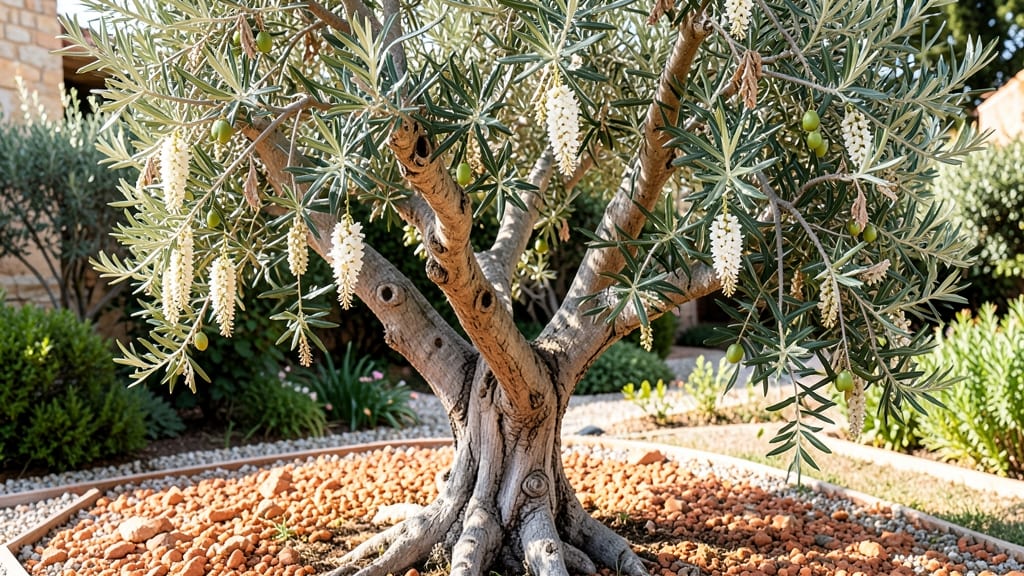
Understanding the olive tree bloom stages 🫒 is the key to predicting harvests, timing care, and avoiding common pitfalls that leave you with empty branches instead of fruit.
Picture this: your tree bursts into tiny white flowers in spring, but by summer, only a handful of olives form. What went wrong? The answer lies in recognizing each bloom stage—and acting at the right moment.
Miss the window for pruning or pollination, and your tree might skip fruit set entirely.
From winter bud formation to summer fruit development, each stage reveals what your olive tree needs next. Whether you’re in a Mediterranean climate or zone 8-10, knowing these shifts helps you adjust watering, fertilizing, and even pest control before problems arise.
Below, I break down the 5 critical stages of olive blooming, what to watch for at each step, and how to optimize fruit set for a bountiful harvest—no guesswork required.
The 5 key olive tree bloom stages explained (with seasonal timing)
Understanding your olive tree’s bloom cycle is like reading its growth diary—each stage reveals its health and predicts your harvest.
From tiny winter buds to summer olives, these phases follow a predictable pattern, though timing shifts between Mediterranean climates (where blooms peak in spring) and US growing zones 8-10 (with staggered blooms from late winter to summer).
Miss a stage, and you risk poor fruit set or wasted energy.
In Mediterranean regions, olive trees typically bloom between March and May, while in California or Arizona, blooms may stretch from February to June. Even within a single tree, branches can bloom at different times—a natural strategy to spread risk if frost or drought strikes.
Recognizing these stages lets you time pruning, support pollinators, and prevent stress during critical periods.
🌱 Pro Tip: Young trees (under 5 years) may skip stages entirely or produce minimal flowers. Patience is key—they’re investing energy in root and trunk growth before fruiting.
Stage 1, winter bud formation, is your first clue about next year’s harvest potential. Healthy trees develop hundreds of buds along last year’s growth, but drought stress or over-pruning can reduce their numbers.
In my California garden, I’ve seen buds form as early as November in mild winters, while in Florida’s zone 10, they may appear year-round. Check for swollen nodes—these are your future flowers.
When buds transition to early bloom (Stage 2), your tree’s flowers—tiny and fragrant—attract pollinators like bees and wasps. This is the most frost-sensitive stage: temperatures below 32°F (0°C) can destroy blooms.
In Mediterranean climates, gardeners often cover young trees during late-winter frosts. I once lost a young Arbequina harvest after a 28°F (-2°C) night—a painful lesson in microclimate monitoring.
Stage 3, pollination and fruit set, is where 50% of potential olives drop due to natural thinning. This isn’t failure—it’s the tree conserving energy for the remaining fruit. Here, water stress or nutrient deficiencies (like zinc or boron) can cause aborted fruit.
I’ve noticed my mature Manzanillo trees set better fruit when I fertilize with compost tea during this stage. Watch for small, shrivelled olives
How to identify olive tree bloom stages (and what each means for your harvest)
Recognizing the olive tree bloom stages is like reading nature’s harvest calendar—each phase reveals critical clues about your tree’s health and future fruit production. From tiny flower buds in late winter to olive-sized fruit in autumn, these visual cues help you time pruning, predict yields, and catch problems early.
Miss these stages, and you might end up with sparse harvests or even no fruit at all.
For example, poor flower development in spring could signal nutrient deficiencies or frost damage, while uneven fruit sizing later on might point to pollination issues. By mastering these visual markers, you’ll transform from a reactive gardener to a proactive olive grower—adjusting care routines before problems arise.
Let’s break down what to watch for at each stage.
Look for small, greenish buds along branches. Healthy buds are firm and plump, indicating strong next-year fruit potential. Shriveled buds suggest drought stress or nutrient deficiencies.
Small white or pale green flowers appear in dense clusters. Abundant blooms mean a good harvest ahead, while few flowers may indicate over-pruning or cold stress. Bees must pollinate these flowers for fruit to develop.
Flowers drop, leaving tiny green olives (pea-sized). Uneven fruit distribution suggests poor pollination. Thin out excess fruit if branches look overloaded—this improves size and quality.
Olives grow quickly, turning dark green and plump. Stunted growth or yellowing leaves signal water stress or pest issues. Harvest timing depends on whether you want green or black olives.
Olives turn purple/black (ripe) or stay green (harvest early). Soft skin and slight detachment from branches confirm ripeness. Wait too long, and olives may drop prematurely.
Each bloom stage offers a window of opportunity for care adjustments. For instance, if you notice sparse flowering in stage 2, increase potassium-rich fertilizer to support bloom development. Conversely, overloaded fruit clusters in stage 3 signal it’s time to thin—this prevents branches from breaking and ensures larger olives.
Paying attention to these cues lets you optimize harvests year after year.
Pro tip: Take monthly photos of your tree’s branches. Comparing images over time helps you spot subtle changes in leaf color, flower density, or fruit size that might otherwise go unnoticed. This visual record becomes your personal olive tree journal, guiding decisions like pruning timing or pest control schedules.
Understanding these stages also helps you predict harvest timing with surprising accuracy. If your tree blooms early (around February), expect olives to mature by late September or October. Late bloomers (April) may not ripen until November or even December in cooler climates.
Use this knowledge to plan your harvest calendar and avoid missing the perfect moment to pick olives at peak flavor.
🌱