
Pruning
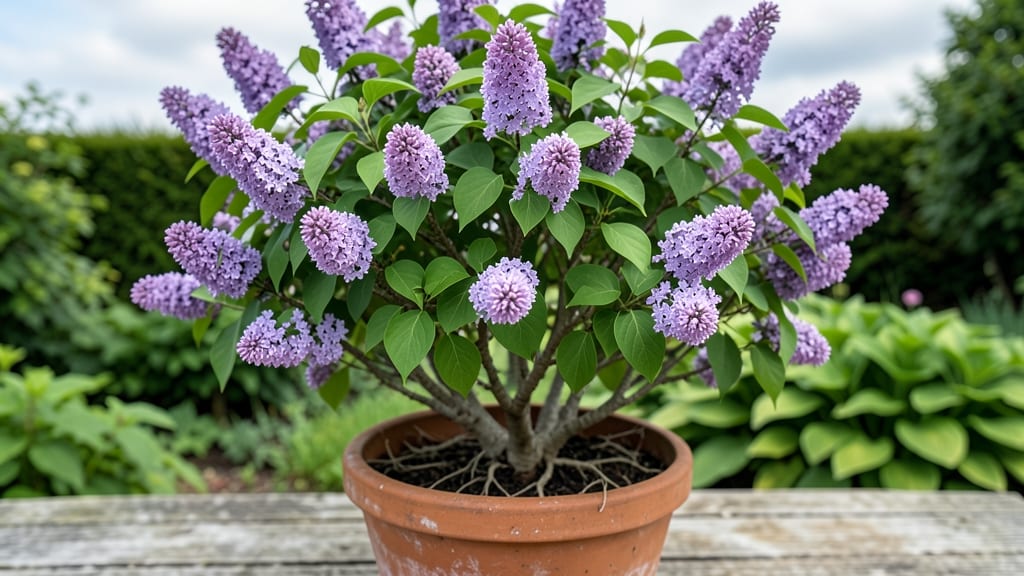
Growing a lilac tree in a pot means fragrant spring blooms without sacrificing space. 🌸 My first attempt with a dwarf variety proved that with the right container and care, potted lilacs thrive—even in small yards or urban patios.
The key is matching the tree's growth habits to your pot size, and I'll show you exactly how to do it without common mistakes.
Start with a container at least 18 inches wide and deep—lilacs need room for roots but won't outgrow a 20-gallon pot. Use well-draining soil mixed with compost, and place it where it gets full sun (6+ hours daily).
Water when the top inch feels dry, but avoid soggy soil—their roots hate wet feet. Prune right after blooming to encourage bushier growth next year.
You'll be rewarded with clusters of purple, white, or pink blooms that perfume the air for weeks. The secret to long-term success? Repotting every 2-3 years and fertilizing lightly in spring. Even in containers, lilacs live for decades—my grandmother's potted lilac is now 30 years old and still going strong.
Perfect for balconies, entryways, or as a standalone statement piece. The same care works for dwarf varieties like 'Miss Kim' or standard lilacs pruned aggressively. Here's how to keep yours healthy and blooming year after year.
📚 In This Guide
- What you need
- Instructions
- Tips and common mistakes
- Wrapping up and next steps
What you need
- ● Container: A large, durable pot (18–24 inches in diameter) with drainage holes (plastic, ceramic, or fiberglass). Pro tip: 💡 Choose one with wheels for easy moving!
- ● Potting Soil: Well-draining, high-quality mix (e.g., 50% garden soil + 50% perlite/sand or a pre-mixed container blend like Miracle-Gro). Quantity: ~3–5 gallons, depending on pot size.
- ● Lilac Tree Sapling: A dwarf or patio variety (e.g., ‘Munstead,’ ‘Katherine Havard,’ or ‘Little Lila’) from a nursery. Size: 1–3 gallons (smaller roots adapt better to pots!).
- ● Pruning Tools: Bypass pruners (for clean cuts)
- ● Hand saw (for thicker stems, if needed)
- ● Garden gloves (to protect your hands)
- ● Fertilizer: Slow-release granular fertilizer (e.g., 10-10-10 or 20-20-20) or organic options like composted manure. Quantity: Follow label instructions (typically 1–2 tbsp per gallon of soil).
- ● Mulch: Organic mulch (e.g., shredded bark or pine needles) to retain moisture and regulate temperature.
- ● Watering Can or Hose: With a gentle spray nozzle for even hydration.
- ● Pot feet or saucer (to protect surfaces and catch runoff).
- ● Moisture meter (to monitor soil hydration).
- ● Epsom salt (for magnesium boost, if leaves look pale).
- ● Decorative stones or pebbles (for a polished look).
- ● Support stake or trellis (if training the lilac vertically).
How to grow a lilac tree in a pot for year-round blooms
Here's the method I've used to keep lilacs flowering beautifully in containers for over a decade.
🪴 Step 1: Select the Right Container and Drainage System
Choose a container with a minimum 24-inch diameter—lilacs need root space to support their fragrant blooms. I recommend glazed ceramic or high-quality plastic with drainage holes. If your pot lacks drainage, drill at least 4 holes along the bottom and add a 2-inch layer of gravel first.
Lilacs hate soggy roots, so the drainage system is critical. Place a piece of hardware cloth over the holes to prevent soil from washing out while allowing water to escape freely. The pot should be at least 18 inches deep—shallow containers restrict root growth and reduce flowering.
🌱 Step 2: Prepare the Soil Mix for Optimal Growth
Fill the container with a custom soil blend—equal parts high-quality potting mix, compost, and perlite. Lilacs prefer slightly acidic to neutral soil (pH 6.0-7.0). I add 1 cup of bone meal to the mix for phosphorus, which encourages strong root and flower development.
Moisten the soil thoroughly before planting, but avoid waterlogging. The mix should feel like a damp sponge—not dripping wet. If your tap water is hard, use rainwater or distilled water to prevent mineral buildup, which can harm lilac roots over time.
☀️ Step 3: Plant the Lilac and Position for Maximum Sunlight
Dig a hole in the pot twice as wide as the root ball but no deeper. Gently remove the lilac from its nursery pot and loosen the roots if they're circling. Place the plant in the hole, ensuring the top of the root ball sits 1 inch below the pot's rim—this prevents water from pooling around the stem.
Backfill with soil, pressing lightly to remove air pockets. Lilacs thrive in full sun (6-8 hours daily), so position the pot in a south-facing location. If you're in a hot climate, provide afternoon shade to prevent leaf scorch. You'll know the spot is right when new growth appears within 4-6 weeks.
💧 Step 4: Water and Fertilize for Consistent Blooms
Water deeply once a week during the growing season, allowing 1 inch of water to soak into the soil. Check moisture by sticking your finger 2 inches deep—water when the soil feels dry. In winter or drought, reduce watering to every 10-14 days to prevent root rot.
Fertilize in early spring with a balanced, slow-release fertilizer (10-10-10). I apply ½ cup per year of plant growth around the base, keeping it 3 inches away from the trunk. Avoid high-nitrogen fertilizers—they promote leafy growth at the expense of flowers. Prune spent blooms in late spring to encourage next year's flowers.
✂️ Step 5: Prune and Winterize for Long-Term Health
After flowering, trim back one-third of the oldest stems to encourage new growth. Use clean, sharp pruners to make cuts just above a bud or leaf node. This prevents deadheading and keeps the tree compact. I prune in early summer to avoid removing next year's flower buds.
In late fall, wrap the pot in burlap and move it to a sheltered location if temperatures drop below 10°F. Lilacs are hardy but benefit from mulch around the base to insulate roots. In spring, remove the wrap and resume regular care. With proper winter protection, your potted lilac will reward you with vibrant blooms for years.
Tips & tricks for perfect potted lilac blooms
These are the hard-won lessons I've learned after years of growing containerized lilacs that keep blooming beautifully.
Container Size Matters: The 24-inch minimum diameter isn't just a suggestion—it's non-negotiable for lilacs. I've seen smaller pots work temporarily, but within 2-3 years, root-bound lilacs in undersized containers will stop flowering. If you're working with a smaller pot, consider growing a dwarf variety like 'Miss Kim' which thrives in 18-inch containers. The depth is equally critical—those 18 inches allow roots to establish properly for winter hardiness.
Soil Science: That custom soil blend of potting mix, compost, and perlite creates the perfect balance of aeration and moisture retention. Here's what I've learned: The perlite should make up exactly one-third of the mix—any more and you'll dry out the roots too quickly. For the bone meal, I've found that 1 cup is plenty even for larger pots. If you're unsure about your soil's pH, test it before planting—lilacs won't tolerate soil below pH 5.5 or above 7.5. The damp sponge consistency is crucial; I test by squeezing a handful—water should drip out slowly, not pool.
Sunlight Strategy: The 6-8 hours of full sun requirement is firm, but here's the secret: Quality matters more than quantity. If your location gets intense afternoon sun, that's actually better than scattered morning sun. I've noticed my potted lilacs bloom most abundantly when they receive at least 4 hours of direct afternoon sunlight. In hot climates, the afternoon shade recommendation is critical—without it, you'll get leaf burn that weakens the plant. That 4-6 week new growth window is your best indicator of proper sunlight placement.
Winter Survival Tactics: The 10°F threshold is where lilacs start struggling in containers. Here's what I do differently: I double-wrap the pot in burlap (one layer for insulation, one for wind protection) and add a thick layer of straw mulch around the base. I've also found that moving the pot to a north-facing wall during winter helps—it provides some wind protection while still allowing light. In extremely cold climates, consider adding a layer of bubble wrap around the pot before the burlap for extra insulation.
Pro Tips for Lilac Tree In Pot
- These are the hard-won lessons I've learned after years of growing containerized lilacs that keep blooming beautifully.
- Container Size Matters: The 24-inch minimum diameter isn't just a suggestion—it's non-negotiable for lilacs.
- Soil Science: That custom soil blend of potting mix, compost, and perlite creates the perfect balance of aeration and moisture retention.
Frequently asked questions
Got questions about growing a lilac tree in a pot?
You’re not alone! Here are the most common concerns—plus expert tips to keep your fragrant beauty thriving.
How big should the pot be for a lilac tree?
A lilac tree in a pot needs at least 15–20 gallons of space (a 20–24-inch diameter container works well). Dwarf varieties can manage slightly smaller pots, but larger lilacs need room for roots. Pro tip: Add drainage holes and use a lightweight, well-draining potting mix to prevent root rot.
When is the best time to plant a lilac in a pot?
Plant your lilac in early spring or fall when temperatures are mild. Avoid extreme heat or frost, which can stress the tree. If repotting an established lilac, do it in late winter or early spring before new growth begins.
How often should I water a potted lilac tree?
Water deeply when the top 1–2 inches of soil feel dry—usually every 5–7 days in summer, less in winter. Lilacs in pots dry out faster than in-ground plants. Watch for: Wilting leaves (underwatering) or yellowing (overwatering).
Can I grow a lilac tree in a pot indoors?
Lilacs need full sun (6+ hours daily) and fresh air, so they’re best outdoors. If you must bring it inside (e.g., for winter), place it near a bright window and avoid drafts. Most varieties won’t thrive long-term indoors—consider a sunroom or greenhouse instead.
Why isn’t my potted lilac blooming?
Common culprits:
- Too much shade – Lilacs need full sun to flower.
- Overcrowded roots – Repot if roots circle the container.
- Poor pruning – Prune after blooming to encourage next year’s flowers.
- Nutrient deficiency – Fertilize in early spring with balanced, slow-release fertilizer.
Wrapping up and next steps
Growing a lilac tree in a pot is a rewarding way to enjoy its fragrant blooms without sacrificing space! With the right pruning techniques, container size, and care, your lilac can thrive year-round—adding beauty and charm to patios, balconies, or small gardens. 🌸
Now that you’re equipped with the know-how, roll up your sleeves and give it a try! Start by selecting the perfect pot and variety, then follow the pruning steps to keep your lilac lush and blooming. Happy gardening! 🌱