
Pruning
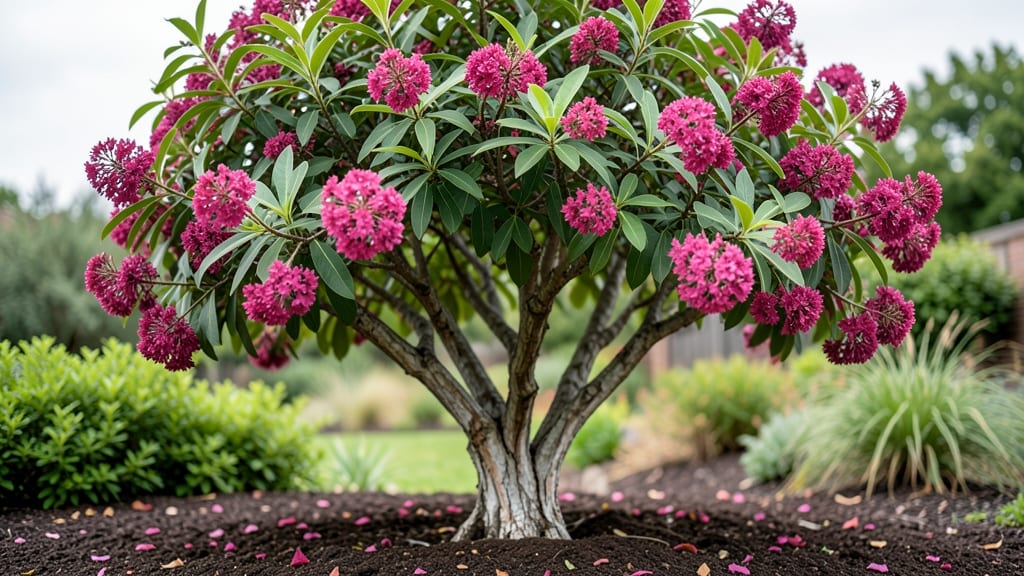
A lila tree in English is the lilac tree (Syringa spp.), a beloved ornamental shrub known for its fragrant spring blooms in shades of purple, pink, or white. Popular garden varieties include Syringa vulgaris (common lilac) and Syringa meyeri (dwarf lilac).
When you hear "lila tree" in English, you're actually talking about the classic lilac shrub that brings vibrant color to gardens each spring. 🌸 These plants belong to the genus Syringa, which originated in Europe and Asia, and their fragrant flowers have been cultivated for centuries.
The common lilac (Syringa vulgaris) can grow up to 15 feet tall, while dwarf varieties like Syringa meyeri stay compact at just 3-5 feet—perfect for smaller yards.
What makes them special isn't just their beauty but their ability to thrive in various climates, from USDA Zone 3 to Zone 7.
Beyond their stunning appearance, lilacs are surprisingly low-maintenance once established. They prefer full sun and well-drained soil, and their hardy nature means they can handle both urban and rural environments.
The key to keeping them blooming year after year is proper pruning—cutting back after flowering rather than in early spring—to encourage strong new growth. Many gardeners also appreciate their ability to attract pollinators like bees and butterflies, making them an eco-friendly choice.
💡 In This Article
- Botanical Classification and Lilac Tree Species
- Growing and Caring for Lilac Trees in Gardens
Botanical classification and lilac tree species
The genus Syringa encompasses over 25 species of flowering plants, but the most widely recognized in English-speaking regions are the European lilac (Syringa vulgaris) and its Asian relatives.
The name "lilac" derives from the Old French lilas, which likely originated from the Arabic al-yasamin (jasmine), though the plants share little botanical relation beyond their fragrant blooms. 🌿 What sets Syringa apart is its unique flower structure: each bloom consists of four petals fused at the base, forming a tubular shape that attracts pollinators like bees and hummingbirds with their sweet, often heady scent.
Syringa vulgaris (common lilac) typically reaches heights of 10-15 feet with a spread of 10-12 feet, making it a statement plant in landscapes. Its flowers appear in late spring on new wood, a key characteristic that distinguishes it from other flowering shrubs. In contrast, Syringa meyeri (dwarf lilac) matures at just 3-5 feet tall, producing smaller blooms but with a similar fragrance intensity. The difference in size stems from genetic adaptations: meyeri evolved in colder climates (USDA Zone 3), where compact growth protects against harsh winters, while vulgaris thrives in milder regions (Zones 3-7).
The fragrance of lilacs comes from volatile organic compounds like linalool and benzyl acetate, which are also found in jasmine and gardenia.
These compounds create that signature sweet, slightly floral aroma that can be detected up to 50 feet away on calm days. 🌸 The color variations—from deep purple ('Katherine Havemeyer') to pale pink ('President Grevy')—result from differences in anthocyanin pigments, which also influence how long the blooms last before wilting.
For example, darker purple varieties often have slightly shorter bloom times (about 7-10 days) compared to lighter shades (10-14 days).
Climate plays a crucial role in determining which lilac species will thrive in your garden. Syringa vulgaris prefers full sun (6-8 hours daily) and well-drained soil with a pH between 6.0 and 7.5, while Syringa meyeri is more adaptable to partial shade and can tolerate slightly acidic soils (pH 5.5-6.5).
The hardiness zones reflect their native habitats: vulgaris originated in southeastern Europe and western Asia, where summers are hot and winters cool, while meyeri adapted to the colder, drier climates of central Asia.
This explains why meyeri often blooms earlier in spring—its genetic programming prioritizes quick flower production before the growing season peaks.
One fascinating botanical quirk is how lilacs reproduce. While they can grow from seeds, most gardeners propagate them through cuttings or grafting to preserve specific traits like flower color or fragrance. This is because seed-grown lilacs often produce weaker, less fragrant plants due to genetic recombination.
The most prized cultivars, like 'Sensation' or 'Dwarf Korean', are typically propagated vegetatively to maintain their exact characteristics. 🌱 This method ensures that the vibrant purple blooms of 'Sensation' (a hybrid of vulgaris and chinensis) remain consistent from plant to plant.