
Pruning
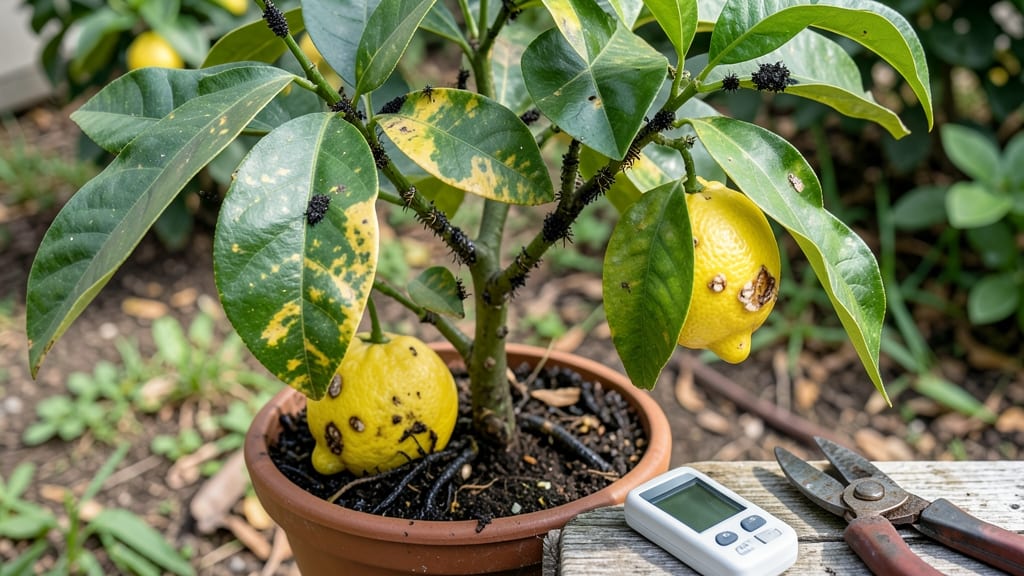
When your lemon tree looks sick, every day counts—yellowing leaves, stunted growth, or sticky residue can mean 5 common diseases that spread fast if ignored. 🌿 I’ve nursed back more than a dozen lemon trees from collapse, and the key is acting within 48 hours of noticing symptoms.
The first step is identifying whether it’s a fungal infection, nutrient deficiency, or pest invasion—each needs a different fix.
Most problems start with soil or water issues—overwatering creates root rot, while dry soil stresses the tree and invites pests. Check the leaves for telltale signs: brown spots with yellow halos?
That’s likely citrus greasy spot. Sticky residue on branches? Scale insects. The good news? All of these have fast-acting organic solutions—no harsh chemicals needed if you catch them early.
By the time you finish this guide, you’ll know exactly how to prune infected branches, apply the right fungicide spray, or adjust your watering routine to save your tree in days.
The goal isn’t just to stop the damage—it’s to restore that glossy green foliage and sweet citrus scent you love. Let’s get your lemon tree back to thriving.
Climate matters here: humid summers worsen fungal diseases, while dry heat attracts spider mites. I’ll share region-specific tips so you can adapt the fixes to your yard’s conditions. The right approach depends on where you live—whether you’re battling Southern humidity or desert dryness.
Root Causes of Lemon Tree Illness
When your lemon tree starts looking off—droopy leaves, yellowing foliage, or strange spots—it’s usually a cry for help from deep within its system. Understanding the why behind these symptoms is the first step to saving your citrus companion.
Below, we break down the most common culprits, from hidden pests to environmental stressors, with the science behind each one.
Lemon trees thrive in well-draining soil, but when roots sit in soggy conditions, they suffocate. Overwatering or compacted soil forces roots to drown, cutting off oxygen and nutrients. This leads to:
- Root rot: Fungal pathogens like Phytophthora or Pythium attack waterlogged roots, turning them black and mushy.
- Yellow leaves: Chlorosis (nutrient deficiency) occurs because roots can’t absorb water or minerals.
- Stunted growth: The tree diverts energy to surviving, leaving little for fruit or new leaves.
Why it matters: Lemon trees prefer the "drink and dry" method—water deeply, then let the top 2–3 inches of soil dry out before watering again. If your tree is in a pot, ensure drainage holes are present, and use a mix of 60% potting soil, 20% perlite, and 20% sand to prevent compaction.
Tiny invaders like aphids, scale insects, and spider mites feed on sap, injecting toxins that weaken your tree. Their damage often goes unnoticed until:
- Sticky residue (honeydew): A sugary film on leaves attracts sooty mold, blocking sunlight.
- Curled or spotted leaves: Aphids and mites pierce cells, causing discoloration.
- Wilting branches: Scale insects clog xylem vessels, restricting water flow.
Science behind it: These pests disrupt the tree’s phloem (food-transporting tissue), starving it of carbohydrates. Left unchecked, they invite secondary infections like bacterial leaf spot.
Actionable fix: Inspect the undersides of leaves and stems weekly. Use a neem oil spray (1 tsp per quart of water) or introduce ladybugs (natural predators) to control outbreaks.
Lemon trees are heavy feeders, and soil depletion leads to telltale signs:
| Symptom | Missing Nutrient | What’s Happening |
|---|---|---|
| Yellow leaves (lower first) | Nitrogen (N) | Chlorophyll production drops; leaves can’t photosynthesize efficiently. |
| Yellow veins, green spots | Iron (Fe) | Iron becomes unavailable in alkaline soil (pH >7.0), blocking chlorophyll. |
| Purple or red stems | Phosphorus (P) | Energy transfer (ATP production) is hindered, stunting root and flower growth. |
Pro tip: Test your soil’s pH (ideal: 6.0–7.0 for citrus). If it’s alkaline, amend with sulfur or use chelated iron fertilizers. Feed with a balanced citrus fertilizer (6-6-6 or 8-3-9) every 4–6 weeks during growing season.
Lemon trees love full sun (6–8 hours/day), but extremes throw them off balance:
- Sunburn: Pale, crispy patches on leaves from intense afternoon sun (common in hot climates).
- Leaf drop: Sudden shade changes (e.g., moving from patio to shade) confuse the tree’s photosynthesis cycle.
- Cold damage: Temperatures below 28°F (-2°C) cause chilling injury, turning leaves black.
Science note: Lemon trees are evergreen, meaning they photosynthesize year-round. Abrupt changes disrupt their stomatal regulation (how leaves breathe), leading to stress.
Solution: Acclimate trees gradually to new light conditions. In winter, protect young trees with frost cloth or move potted trees to a sunny indoor spot near a south-facing window.
Pathogens thrive in warm, humid conditions, often entering through wounds or weak spots:
- Citrus Canker (Xanthomonas): Raised, oily spots on leaves/fruit; spreads via wind or tools.
- Root Rot (Armillaria): White fungal "shelves" at the soil line; chokes roots.
- Melanose (Diplodia): Dark, sunken lesions on fruit/leaves; worsens in wet seasons.
How it starts: Spores land on leaves, germinate in high humidity (>75%), and exploit microscopic wounds (e.g., from pruning or hail). Bacterial infections often enter through pruning cuts or insect damage.
Prevention: Space trees for airflow, sterilize pruners with rubbing alcohol, and avoid overhead watering. For canker, remove infected leaves with 70% isopropyl alcohol and apply copper fungicide.
Revive Your Lemon Tree Fast
A sick lemon tree doesn’t have to mean the end of your citrus dreams—with the right care, you can nurse it back to health! Below are practical, step-by-step solutions tailored to the most common issues, from fungal infections to nutrient deficiencies.
Each fix includes prevention tips to keep your tree thriving long-term.
Signs: Dark spots, oozing sores, or yellowing leaves.
🔥 Step 1: Prune Infected Branches
- Use sterilized pruning shears (wipe with rubbing alcohol between cuts).
- Remove all affected leaves, branches, and fruit—don’t leave them on the ground (they spread spores).
- Dispose of infected debris in a sealed trash bag (not compost).
🍳 Step 2: Apply Fungicide
- Copper-based fungicides (like Bordeaux mixture) work best for canker.
- For melanose, try neem oil spray (1 tsp neem oil + 1 tsp mild soap per quart of water).
- Spray early morning or late evening to avoid sunburn on leaves.
🌡️ Step 3: Improve Airflow & Drainage
- Thin out dense foliage to reduce humidity near the tree.
- Ensure the soil drains well—amend with perlite or sand if compacted.
- Water at the base (avoid wetting leaves) to prevent fungal spores from clinging.
💡 Prevention Tip: Space new trees 8–10 feet apart and avoid overhead watering.
Signs: Pale leaves, slow growth, or small fruit.
📊 Step 1: Test Your Soil
- Use a citrus-specific soil test kit (available at garden centers).
- Common deficiencies: Nitrogen (yellow leaves), Magnesium (yellow between veins), or Iron (chlorosis).
💪 Step 2: Fertilize Correctly
- For nitrogen: Use a balanced citrus fertilizer (6-6-6 or 8-3-9) in early spring.
- For magnesium: Apply Epsom salt (1 tbsp per gallon of water, spray leaves monthly).
- For iron: Use chelated iron (follow package instructions for drip irrigation).
🥗 Step 3: Adjust Watering
- Overwatering leaches nutrients—let the top 2 inches of soil dry between waterings.
- Mulch with compost (2–3 inches) to retain moisture and microbes that break down nutrients.
✨ Pro Tip: Feed lightly in winter (citrus trees rest) and avoid high-nitrogen fertilizers in fall (promotes new growth that won’t harden off).
Signs: Sticky residue, tiny bugs, or webbing on leaves.
👨🍳 Step 1: Blast Off Pests
- Hose down the tree with strong water pressure (dislodges scale and aphids).
- For mites, spray with neem oil (repeat every 5–7 days).
🔪 Step 2: Introduce Beneficial Insects
- Ladybugs eat aphids; predatory mites control spider mites.
- Buy from garden centers and release early morning when pests are dormant.
🌿 Step 3: Strengthen the Tree’s Defense
- Garlic or chili pepper spray (blend 1 garlic bulb + 1 tbsp cayenne in 1 quart water; strain and spray).
- Reflective mulch (aluminum foil around the base) confuses pests like whiteflies.
🎯 Prevention Tip: Inspect new plants before bringing them home—quarantine for 2 weeks.
Signs: Brown patches, crispy leaf edges, or blackened tips.
🌿 Step 1: Shield from Harsh Conditions
- Move potted trees to a sheltered spot (e.g., near a wall) if exposed to afternoon sun.
- Use shade cloth (30–50%) in extreme heat.
⏰ Step 2: Gradual Acclimation
- Hardening off (for potted trees): Move to outdoor shade for 1–2 hours/day, increasing time over a week.
- Mulch heavily in winter (4–6 inches of straw or bark) to insulate roots.
🔥 Pro Tip: Avoid fertilizing stressed trees—focus on water and shade first.
🌱 Final Reminder: Healthy citrus trees are resilient—consistent care beats quick fixes. Monitor your tree weekly, and adjust treatments as needed. With patience, your lemon tree will bounce back and reward you with juicy, homegrown lemons! 🍋✨
Frequently asked questions
Why are my lemon tree leaves turning yellow?
Yellow leaves usually signal nutrient deficiency (like nitrogen or iron) or overwatering. Check the soil—if it’s soggy, roots may be drowning. For nitrogen, use a balanced citrus fertilizer (6-6-6) in spring. For iron, try chelated iron or Epsom salt spray if your soil is alkaline. Always let the top 2 inches dry between waterings.
What do those brown spots on my lemon tree leaves mean?
Brown spots with yellow halos are likely fungal infections like citrus greasy spot or melanose. Prune infected leaves immediately with sterilized shears and apply copper fungicide or neem oil spray. Improve airflow by thinning dense foliage and avoid overhead watering—this prevents spores from spreading.
How do I know if my lemon tree has pests?
Look for sticky residue (honeydew), tiny bugs on stems, or webbing on leaves. Aphids and scale leave sticky films, while spider mites cause fine webbing and speckled leaves. Blast pests off with water, then treat with neem oil or introduce ladybugs. Inspect new plants before bringing them home to prevent infestations.
Can I save a lemon tree with root rot?
Early-stage root rot is treatable! Remove the tree from wet soil, trim black/mushy roots with sterilized shears, and repot in well-draining mix (60% soil, 20% perlite, 20% sand). Reduce watering and apply beneficial fungi like mycorrhizae to help roots recover. Keep the tree in bright, indirect light while it recovers.
How often should I fertilize a sick lemon tree?
Start with a light feeding every 6-8 weeks during growing season (spring-fall). Use a citrus-specific fertilizer (8-3-9) and avoid high-nitrogen blends in winter—they encourage weak growth. Always water before and after fertilizing to prevent root burn. Test soil first to identify deficiencies.