
Trees
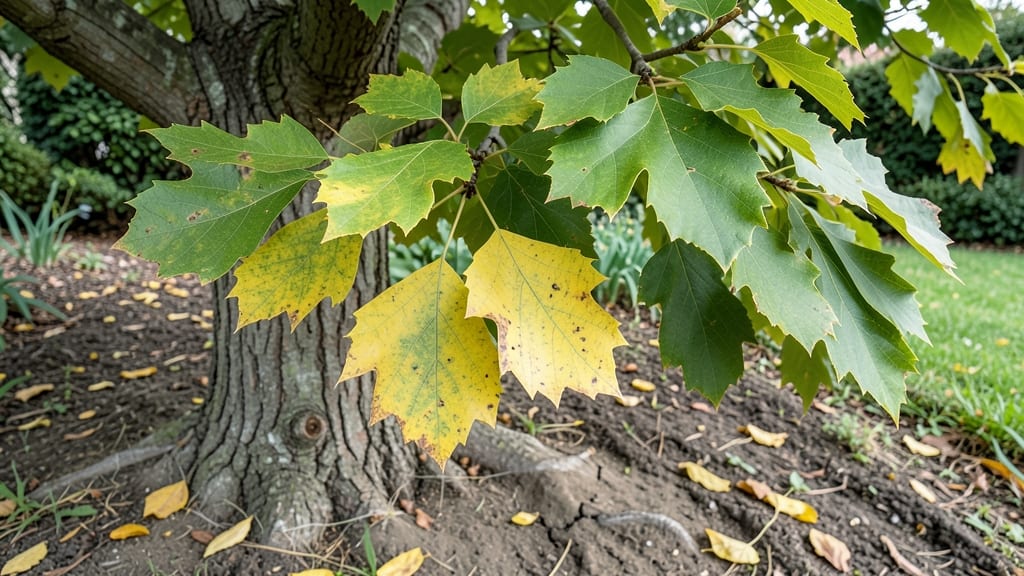
When your elm tree develops yellow leaves, it’s usually a sign of overwatering, nutrient deficiencies like iron or nitrogen, fungal infections such as Dutch elm disease, or environmental stress from heat or poor soil drainage. Always diagnose the specific issue before applying treatments like pruning, fungicides, or soil amendments.
Yellowing elm leaves often start as a subtle warning—think of them as your tree’s way of saying, "Something’s off!" 🌿 The most common culprits are overwatering (which suffocates roots) and nutrient deficiencies, especially in urban soils where iron or nitrogen levels drop.
But fungal diseases like Dutch elm disease can spread rapidly, so check for wilting branches or dark streaks under the bark. I’ve seen homeowners mistakenly blame heat stress when the real issue was a hidden fungal infection—always test your soil and inspect the tree’s overall health before jumping to conclusions.
For fast fixes, start with the basics: adjust your watering schedule to let the soil dry between sessions and do a simple soil test to check pH and nutrient levels. If you spot brown veins or patches, it’s likely a fungal issue—prune affected branches immediately and apply a copper-based fungicide.
Remember, elm trees are tough but need consistent care. The key is acting early before the problem spreads to the entire canopy.
💡 In This Article
- Common Elm Tree Diseases Causing Yellow Leaves
- Step-by-Step Elm Tree Care Fixes for Yellow Leaves
Common elm tree diseases causing yellow leaves
When elm leaves turn yellow, the culprit is often a fungal infection like Dutch elm disease, caused by the fungus Ophiostoma novo-ulmi. This pathogen clogs the tree's vascular system, blocking water and nutrient flow.
You'll notice yellowing leaves paired with wilting branches, especially in late spring or summer—these are classic signs.
The fungus spreads through bark beetles, which carry spores from infected to healthy trees. 🌳 What makes this disease so dangerous is its rapid progression: once beetles introduce the fungus, the tree can decline within weeks.
Another common offender is anthracnose, a fungal disease that thrives in wet conditions. It causes dark, sunken spots on leaves that eventually turn yellow and fall prematurely. Unlike Dutch elm disease, anthracnose doesn't kill the tree outright but weakens it over time.
Look for yellowing between leaf veins and small, dark lesions—these are dead giveaways. The fungus overwinters in infected leaves and buds, so proper cleanup in fall is critical. Iron deficiency can mimic anthracnose symptoms, but it usually affects younger leaves first and shows as pale yellowing without dark spots.
Bacterial leaf spot diseases also cause yellowing, though they're less common in elms. These bacteria create water-soaked lesions that turn yellow or brown and often have a greasy appearance. The key difference? Bacterial spots usually appear in wet, humid weather and may ooze when wet.
If you see these symptoms, avoid overhead watering and remove infected leaves immediately to prevent spread. Nutrient deficiencies like magnesium chlorosis (yellowing between veins) or nitrogen deficiency (pale yellow leaves) can look similar but respond to soil amendments rather than fungicides.
Diagnosing the exact issue requires close inspection. Start by checking the pattern of yellowing: uniform yellowing suggests nutrient issues, while irregular patches with dark spots point to fungal or bacterial problems. Run a simple soil test to check pH and nutrient levels—elms prefer slightly acidic soil (pH 6.0-7.0).
If you're unsure, collect a leaf sample and contact your local cooperative extension service for lab testing. Early detection is your best defense against these diseases.
Environmental stress can mimic disease symptoms. For example, heat stress causes yellowing at leaf edges, while poor drainage leads to yellowing paired with root rot. Test your soil's drainage by digging a hole—if water pools after 6 hours, you've got poor drainage.
Mulching with organic material can improve soil structure over time. Remember, elms are resilient but need consistent care to bounce back from stress or infection.
One often-overlooked factor is soil compaction, especially in urban areas. Compacted soil restricts root growth, leading to yellowing leaves even when watering seems adequate. Use a soil probe to check compaction—if it's dense, aerate the soil or add compost to improve root health.
The key is balancing moisture, nutrients, and aeration to give your elm tree the best chance at recovery.