
Pruning
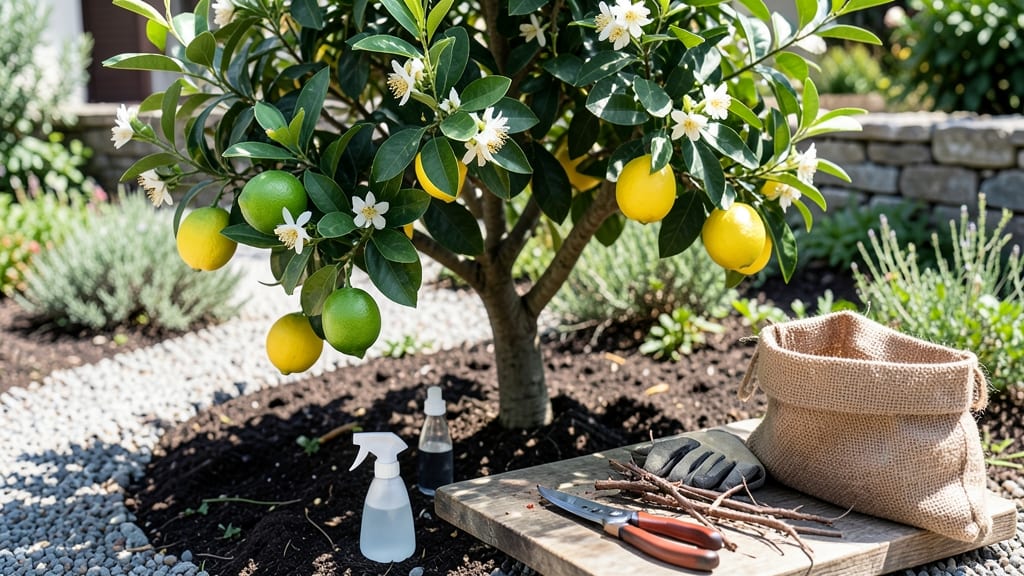
A lemon tree pruning guide isn’t just about shaping—it’s the secret to year-round health and bigger harvests. 🌿 I’ve learned that three strategic cuts in the right seasons transform my tree from a scraggly mess to a productive powerhouse.
The first cut in late winter clears dead wood, the second in early summer encourages new growth, and the third in fall prepares the tree for winter dormancy. You’ll need just three tools: sharp pruning shears, a hand saw for thicker branches, and rubbing alcohol to sterilize cuts.
Most mistakes happen when people prune at the wrong time or cut too aggressively. I’ll show you exactly where to make each cut—never more than one-third of the tree’s foliage at once—to keep it thriving.
After pruning, your tree will reward you with shinier leaves, better airflow, and more fruit clusters next season. The first year, you’ll notice new shoots within 4-6 weeks, and by winter, the structure will look balanced and full. This method works for both container-grown and in-ground lemon trees.
Whether you’re dealing with a mature tree or a young sapling, these cuts keep it productive for decades.
📚 In This Guide
- What you need
- Instructions
- Tips and common mistakes
- Wrapping up and next steps
What you need
- ● Pruning shears: Bypass pruners (sharp, clean blades, 6–8" handle length) – 1 pair. Avoid anvil pruners; they crush stems.
- ○ Loppers: Bypass-style (for thicker branches, 12–16" handle) – 1 pair (optional for mature trees).
- ○ Hand saw: Pruning saw (for branches >1.5" thick) – 1 (optional but handy for stubborn limbs).
- ● Disinfectant: 70% isopropyl alcohol or bleach solution (1:9 ratio) – small spray bottle (to sterilize tools between cuts).
- ● Rubbing alcohol or wipes: For quick tool cleaning – 1 pack.
- ● Gloves: Garden gloves (cut-resistant for thorns) – 1 pair.
- ● Tarp or drop cloth: (to catch debris) – 1 medium-sized.
- ● Pruning sealant: (for large cuts >0.5" diameter) – 1 small tube (helps prevent disease).
- ● Garden twine: (for supporting weak branches) – 1 roll.
- ● Ladder: (for tall trees) – 1 sturdy step ladder (4–6 ft).
- ○ Marking spray: (to tag branches for removal) – 1 small bottle (optional for complex pruning).
- ● Compost bin: (to recycle pruned branches) – 1 bin.
- ● ✅ Know your lemon tree’s age: Young trees (1–3 years) need lighter cuts; mature trees (4+ years) can handle more aggressive pruning.
- ● ✅ Check the weather: Prune on a dry, overcast day (avoid extreme heat or frost).
- ● ✅ Gather inspiration: Sketch a rough plan of cuts (or snap photos of the tree first!).
- ● ✅ Safety first: Wear long sleeves/pants if your tree has thorns!
Instructions for pruning a lemon tree for year-round health
Here's my battle-tested approach to pruning that keeps your lemon tree productive and pest-free.
✂️ Step 1: Perform Structural Pruning in Late Winter
Use sharp, sterilized pruners to remove 1/3 of the oldest, thickest branches when the tree is dormant but before new growth begins. This is your chance to open the canopy for better airflow and sunlight penetration. I always start by identifying branches that cross or rub against each other—these create wounds where disease enters.
Make cuts just outside the branch collar where the branch meets the trunk. Avoid leaving stubs, as they invite rot. If you're pruning a young tree, remove any branches growing straight upward—these compete with the central leader and weaken the structure. You'll know you're doing it right when you can see light filtering through the center of the tree.
✂️ Step 2: Light Maintenance Pruning After Flowering
Once the tree finishes flowering but before fruit sets, do a light pruning to remove any dead, diseased, or overcrowded growth. This is where I focus on shaping the tree—trimming back any branches that grow too close together or block sunlight from reaching the interior. I also remove any suckers (those vigorous shoots at the base) immediately to redirect energy to fruit production.
Use your fingers to gently bend small branches—if they snap easily, they're too weak to support fruit. These should be pruned back to a stronger branch. Water the tree deeply after this pruning to help it recover. You'll notice new, vigorous shoots emerging within 2-3 weeks—this is your tree's way of telling you it's healthy and ready for fruit.
✂️ Step 3: Summer Thinning for Fruit Quality
When fruit begins to form, do a final thinning pass to remove 1/4 of the smallest, least mature fruit clusters. This ensures the remaining fruit gets maximum sunlight and nutrients. I always prioritize keeping fruit on the outer branches first, as these get the most light. Use sharp pruners to cut the fruit cluster at the stem—never tear it off, as this damages the branch.
This is also the time to prune any branches that grew too vigorously after spring's flush. Trim them back by 1/3 to encourage a more compact, bushier shape. You'll see the difference in fruit size and quality—thinned fruit will be larger, sweeter, and ripen more evenly. Avoid pruning during extreme heat or drought, as this stresses the tree.
Tips & tricks for pruning a lemon tree like a pro
Pruning your lemon tree isn't just about cutting branches—it's about creating an environment where your tree thrives year-round. Here's what I've learned after years of trial and error in my own garden.
Timing is Everything: The late winter timing for structural pruning (Step 1) is critical because the tree is dormant but about to wake up. This prevents stressing the tree when it's most vulnerable. I've found that pruning too early in winter can expose the tree to cold snaps, while waiting too long risks encouraging new growth that won't survive winter. For trees in warmer climates, aim for early spring instead.
Tool Prep Makes All the Difference: Sterilizing your pruners between cuts is non-negotiable. I use a 1:10 bleach-water solution or rubbing alcohol to wipe them down after each cut, especially when removing diseased branches in Step 2. Sharp tools also matter—dull pruners crush branches instead of making clean cuts, which invites infection. I keep a small file in my pruning kit to sharpen blades between sessions.
Visual Cues for Perfect Cuts: When you're making those precise cuts just outside the branch collar in Step 1, look for the slight swelling where the branch meets the trunk. This is your target spot—cutting here promotes faster healing. For young trees, I use a small piece of masking tape to mark the ideal cut line before making the incision, which helps maintain consistency.
Seasonal Pruning Calendar: Create a simple visual calendar marking your pruning dates each year. The 2-3 week window after Step 2 pruning is when you'll see new growth—this is your tree's way of telling you it's happy. I jot down these dates in my gardening journal to track patterns, especially since lemon trees in containers might need slightly different timing than in-ground trees.
Pro Tips for Lemon Tree Pruning Guide
- Pruning your lemon tree isn't just about cutting branches—it's about creating an environment where your tree thrives year-round.
- Timing is Everything: The late winter timing for structural pruning (Step 1) is critical because the tree is dormant but about to wake up.
- Tool Prep Makes All the Difference: Sterilizing your pruners between cuts is non-negotiable.
Frequently asked questions
about lemon tree pruning—because even citrus gurus need a little clarity! Here are answers to the most common questions to keep your tree thriving.When is the best time to prune a lemon tree?
The ideal times are late winter/early spring (before new growth) and summer after harvest. Avoid pruning in fall or winter in cold climates—it stresses the tree. If you missed the window, light pruning in spring is better than none!
How much should I trim off my lemon tree?
For healthy trees, remove no more than 25-30% of foliage per year. Focus on dead, crossing, or overcrowded branches first. Over-pruning reduces fruit production—think of it as a light haircut, not a buzz cut!
Will pruning my lemon tree reduce fruit?
Not if done right! Pruning improves air flow and sunlight, which actually boosts fruit quality. Heavy pruning in one year may cut yields, but gradual, strategic cuts (like thinning branches) help long-term production. Patience pays off!
What if my lemon tree looks sad after pruning?
Yellow leaves or wilting? Don’t panic—it’s normal for 2-4 weeks as the tree recovers. If issues persist, check for overwatering, pests, or disease. Pro tip: Fertilize lightly post-prune to support regrowth.
Can I prune a lemon tree in a pot?
Potted trees need regular pruning to control size and shape. Just avoid cutting more than 1/3 of the foliage at once—root-bound trees are more sensitive. Repot every 2-3 years for better recovery.
What tools should I avoid for pruning?
Skip dull shears, hedge trimmers, or garden scissors—they tear branches, inviting disease. Use sharp, clean bypass pruners for cuts under ½ inch and loppers for thicker branches. Always disinfect tools with rubbing alcohol between cuts!
Wrapping up and next steps
Pruning your lemon tree isn’t just about keeping it tidy—it’s the secret to bountiful harvests, stronger growth, and long-term health. 🌿 By mastering the three key cuts (spring shaping, summer thinning, and winter cleanup) and using the right tools, you’ll transform your tree into a thriving citrus powerhouse.
Remember, consistency is key, and a little effort now saves big headaches (and fewer lemons!) later.
Ready to take the next step? Grab your pruners, mark your calendar for seasonal cuts, and watch your lemon tree reward you with sweet, juicy fruit year after year! 🍋✨